
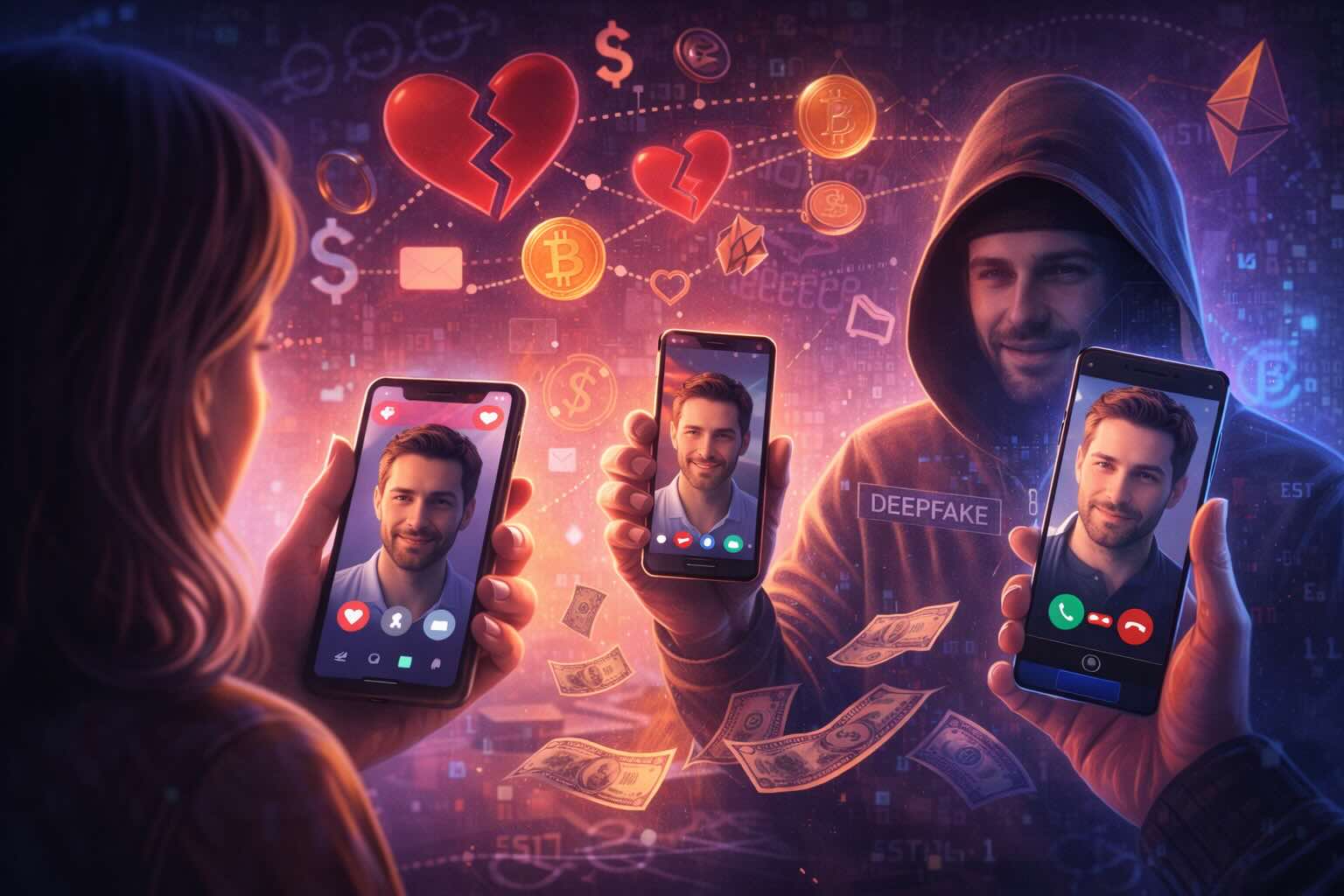
Emotional fraud is one of the forms of cybercrime that causes heavy damage both mentally and financially. Crooks often build carefully calculated intimate relationships, create trust and then gradually appropriate money.
Recently, Australian police warned that more than 5,000 people could be targets of a large-scale love scam ring. Subjects use dating apps to approach, create online relationships and then lure victims to buy fake cryptocurrencies.
Notably, the tricks of criminals have changed significantly. Artificial intelligence technology makes forgery easier and cheaper. Profile photos can be created in minutes, love messages are automated, and even voices and videos can be forged using deepfake technology.
Before occasions like Valentine's Day, when the demand for online connection increases, the risk of fraud also increases. Most emotional scams follow the same pattern. First, personal profiles are built very convincingly with attractive images and reasonable information. Many photos are now created by AI or stolen from social networks.
Next, the villain forces the conversation to be switched to another platform such as WhatsApp, Telegram or private messages. When leaving the dating app, the victim loses their inherent security layer. If using real email or phone number, they are also at risk of revealing more personal data.
The final step is the request related to money. It can be an urgent reason such as travel problems, banking issues, or family circumstances. Many cases switch to forms of investment attraction, especially cryptocurrencies. Victims are promised high profits, shown screenshots of fake profits, and invited to "invest together".
Previously, video calls were considered a relatively effective way to verify identity. However, deepfake technology now allows creating convincingly fake videos and sounds in a short time. Just by overcoming the initial stage of suspicion, fraudsters can strengthen trust and make victims ignore suspicious signs.
Experts recommend that users slow down the progress of relationships. Extending conversation time helps detect inconsistencies and makes it easy for scammers to give up.
You should keep in touch on the dating platform longer instead of rushing to another application. Verify the person you are talking to on multiple platforms and use reverse image search to check if the photo is stolen.
Any investment advice or money requests from people you have never met directly should be seen as a warning sign. Do not send money, do not transfer electronic money and do not share private images with people who have not been clearly verified.
If you have transferred money, you need to contact the bank and functional agencies immediately for early support to limit damage.
In the context of AI technology becoming increasingly popular, online identity verification becomes more difficult. Therefore, users need to be cautious, check information from many sources and be absolutely vigilant when a romantic relationship begins to be associated with financial requirements.


