
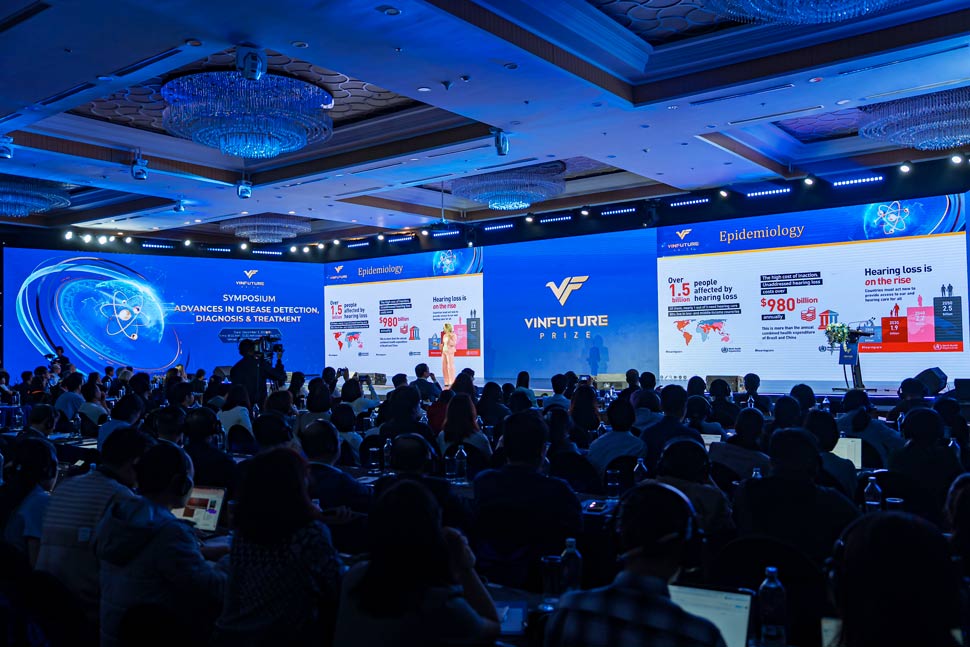
The seminar "Changing in disease detection, diagnosis and treatment" took place in the context of global health being pressured by the increase in non-communicable diseases, the re-appearance of infectious diseases and antibiotic resistance approaching the alarming level. In addition, climate change has also made the risk of disease outbreaks increasingly obvious, forcing health systems to continuously innovate to meet the increasingly complex need for health care.
For that reason, the trend of combining artificial intelligence, big data, biotechnology, advanced materials and smart medical equipment is opening a new step forward in modern medicine.
Precedence's report shows that the global precision medicine market could reach 175 billion USD by 2030, reflecting a strong shift to a personalized treatment model based on the biological characteristics of each patient. From bacteristic therapy to reduce drug resistance to 3D printing technology in orthopedic surgery and bone cancer, or advances in research on cell microbiology and hearing science, new achievements are creating a premise for more accurate diagnosis and less invasive treatment.
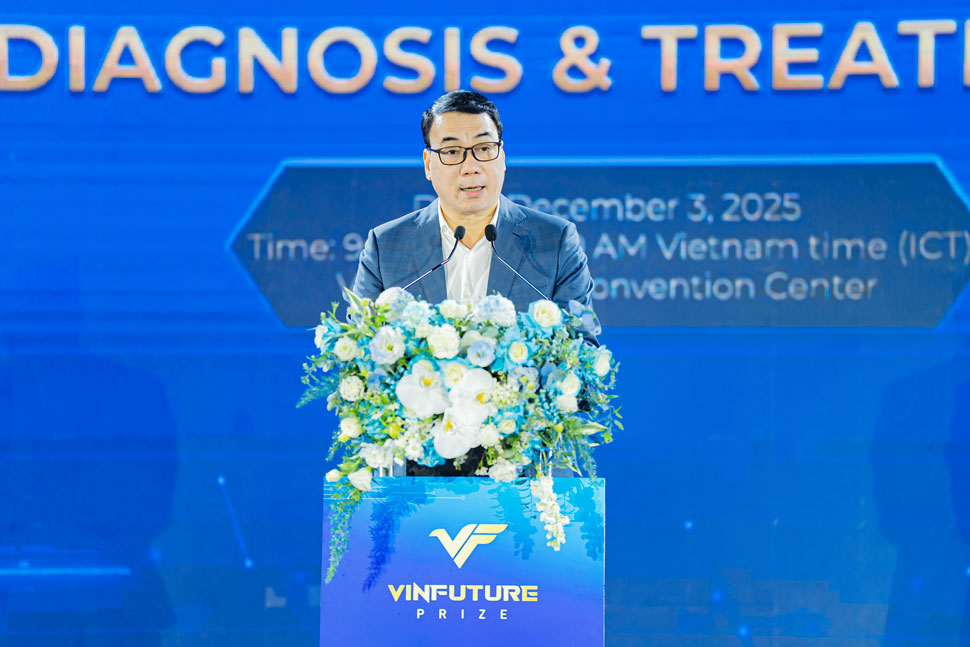
Speaking at the event, Dr. Nguyen Ngo Quang - Director of the Department of Science, Technology and Training (Ministry of Health) emphasized that 2025 is the time when the global health sector faces many unprecedented challenges, from the burden of non-communicable diseases to the risk of emerging epidemics.
However, the development of digital technology, artificial intelligence, genetic technology and Biomaterals opens up great opportunities for innovation in healthcare. He said that the theme of the seminar reflects the urgent requirements of the industry and is in line with the orientation of modern medical development in Vietnam.
Dr. Nguyen Ngo Quang believes that science and technology are a key driving force to improve the quality of medical examination and treatment and enhance the capacity of the Vietnamese health system. He highly appreciated the topics chosen at the seminar, because these are all key research directions that the health sector is prioritizing.
Mr. Quang hopes that the event will not only stop at academic exchanges but also open up many cooperation between Vietnam and leading research institutes, universities, and hospitals in the world. This will help Vietnam access advanced technology and bring scientific advances closer to patients.
In addition to academic value, the seminar is expected to become a bridge between scientists, health experts, businesses and policymakers, aiming for innovative solutions in disease detection, diagnosis and treatment in the future. With the development of precision medicine and the strong application of artificial intelligence, Vietnamese healthcare has the opportunity to shorten the distance from the world, improve treatment effectiveness and improve the quality of life for people.


