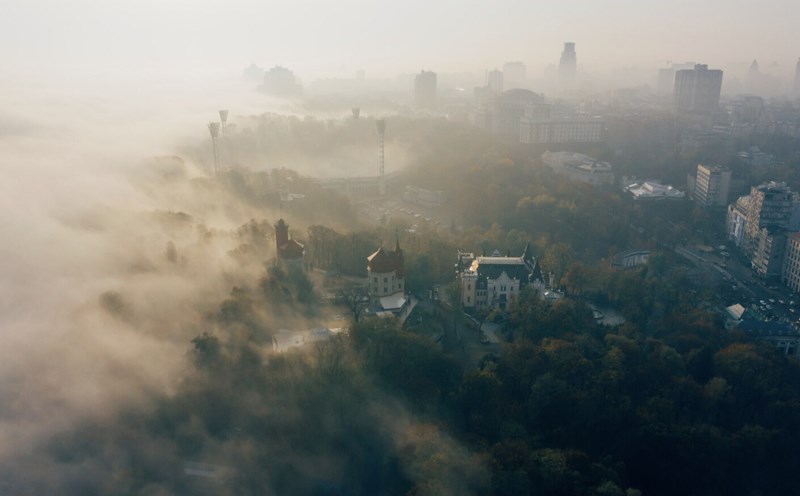
Limit outdoor activities and reduce outdoor activities
Smoke, dust and pollutants easily enter the body through the respiratory tract. Therefore, monitor your environmental forecast every day and change your exercise plan, prioritizing indoor exercise instead of running outdoors. If not really necessary, stay indoors to reduce the risk of exposure.
Wearing a standard mask when going out
In case you have to move outdoors, choose a mask that can filter fine dust well and hold your face tightly. The fabric cages only prevent drop shots, unable to block fine dust. After returning from the outside, you should wash your nose and throat with saline 1-2 times/day to remove the dirt that accumulates.
Close windows and limit indoor pollution
Closing windows when the outside environment is heavily polluted will help reduce fine dust intrusion. If possible, use an air purifier. At the same time, avoid activities that increase indoor pollution such as smoking, burning incense, and burning Candles.
Control humidity
High excess moisture conditions for bacteria and mold to grow. You should keep your living space dry, dry areas that are prone to water stagnation such as the kitchen, bathroom and can use a humidifier or turn on the fan when cooking to balance the humidity.
Place air purifiers in the house
Some types of ornamental plants help filter the air, increase oxygen levels and reduce fine dust. However, you need to pay attention to cleaning the plants and pots regularly to avoid mold or allergies.
Strengthening resistance
Good resistance will help the body fight pathogens better. Prioritize a diet rich in green vegetables, fruits, whole grains and limit processed foods and soft drinks. Exercise regularly for 30-60 minutes a day, maintain a suitable weight, reduce stress and sleep enough 7-9 hours to keep the immune system healthy.