
From an idea considered strange
Bên ấm trà sen tỏa hương nhè nhẹ trong tiết đầu Xuân, Chủ tịch Hiệp hội thang máy Việt Nam (VNEA) Nguyễn Hải Đức nhớ lại những ngày đầu của một ý tưởng từng bị xem là... khá lạ lẫm, thậm chí kỳ lạặc.
He recounted that nearly 20 years ago, elevators in Vietnam almost only appeared in buildings, offices, hotels or large-scale projects. During his career, he paid special attention to the architecture of houses in Vietnamese cities – especially tube houses, high-rise townhouses but with narrow floors. Such houses often find it difficult to meet the technical requirements of traditional elevators, which require deep pits or a large top floor height.
At that time, I thought: Why not find a more compact, flexible elevator that is suitable for this specific type of house?" - he recalled.
While in Vietnam, this type of elevator is still quite unfamiliar, in many countries, the mini elevator line specifically for houses has become familiar.This type of elevator is often called HomeLift - a compact elevator solution, specially designed for houses, adjacent villas or renovated projects with limited areas.
The opportunity led to the cooperation with IGV Group - an Italian elevator group established in 1966, in the group of 500 most developed businesses in Europe, thereby opening the way for the family elevator line in the Vietnamese market.
“At that time, many people kept laughing at us. They said elevators are only for installation in offices, offices..., and at home, we take the stairs for health, why install elevators?” - Mr. Hai said.
The first family elevator was installed by us at No. 06 Van Cao Street, Hanoi. At that time, the construction lasted up to three months. Although we had received technology transfer and guidance from the manufacturer, there was no precedent in Vietnam for reference, and there was no predecessor to guide us. Therefore, each stage must be both implemented, researched, tested and gradually completed in the process of making" - he recalled - "Until now, that elevator still operates persistently, stably and the homeowner is completely satisfied".
And what was once considered a "strange idea" has now become a popular trend: In urban areas, houses from three floors or more are often pre-designed with elevator installation locations.
He smiled when recalling that journey: "It can be said that we were the first to come up with and shape the concept of "family elevator" in Vietnam. From a small idea, it opened up a completely new market segment.
To give workers and businesses in the elevator industry opportunities for sustainable development
After more than two decades of attachment to the profession, Mr. Nguyen Hai Duc believes that the picture of Vietnam's elevator industry once had many paradoxes: Businesses are difficult to generate sustainable profits, workers lack motivation to develop their careers, and users face safety risks.
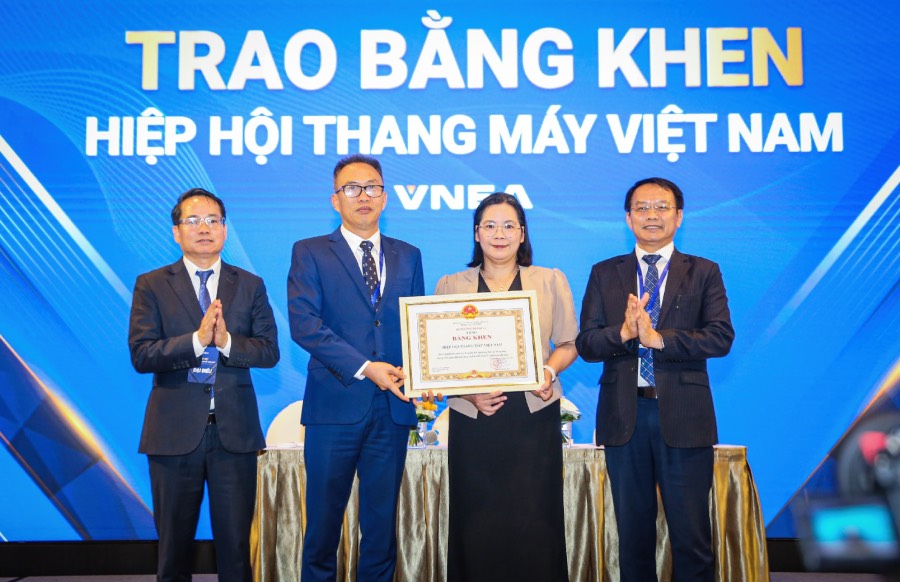
The elevator industry needs a common voice to connect businesses, shape standards and promote healthy development. That is also the reason that motivates and gathers people with the same aspirations for the birth of the Vietnam Elevator Association's Steering Committee, they carry enthusiasm and aspiration, build a Project and carry out procedures to apply for permission from the State management agency to establish the Vietnam Elevator Association in 2020 - as a "common home" of the Vietnamese elevator community. "The Association was established to connect, improve capacity, standardize technology, protect the rights of consumers and the common interests of society. Only when sowing goodness like that, will workers and businesses in the elevator industry have the opportunity to develop sustainably and be recognized deservedly" - he affirmed.
According to Mr. Duc's point of view, the foundation of all sustainable development must start from standards and regulations."Without standards, we cannot talk about development" - he emphasized."Standards are not only standards of products, but also standards of people - professionals must be trained, evaluated and standardized competencies in a systematic way; at the same time, society also needs to raise awareness about the role of standards in ensuring safety and service quality." From the end of 2025, the Association and the Vietnam Institute of Standards and Quality (VSQI) signed a Strategic Cooperation Memorandum in completing the National Standard System for elevator industry, the first fruit of this cooperation process will be TCVN: Elevator - General requirements in operation, maintenance, repair and use expected to be completed and promulgated in the third quarter of 2026.
Mr. Duc said that the formation of an industry standard system not only solves immediate shortcomings, but also lays the foundation for long-term development. "When there are common standards, businesses will compete with capacity and creativity. And then, the whole industry can develop sustainably" - he said.
Opening the way to bring art into the elevator
Mr. Nguyen Hai Duc is also the person who has the idea of bringing identity, art and stories into elevator design. According to him, each building has its own "language" and spirit, so elevators cannot be a disjointed detail in the overall architecture. Elevators in hospitals will be different from elevators in office buildings; elevators in museums, schools or hotels... also need to integrate into the common design language to "tell" stories about the culture, architecture and identity of the space it exists in. When going beyond pure function, elevators are not only a means of transportation, but can also become a cultural product - a place to preserve the aesthetic and spiritual imprint of the era.
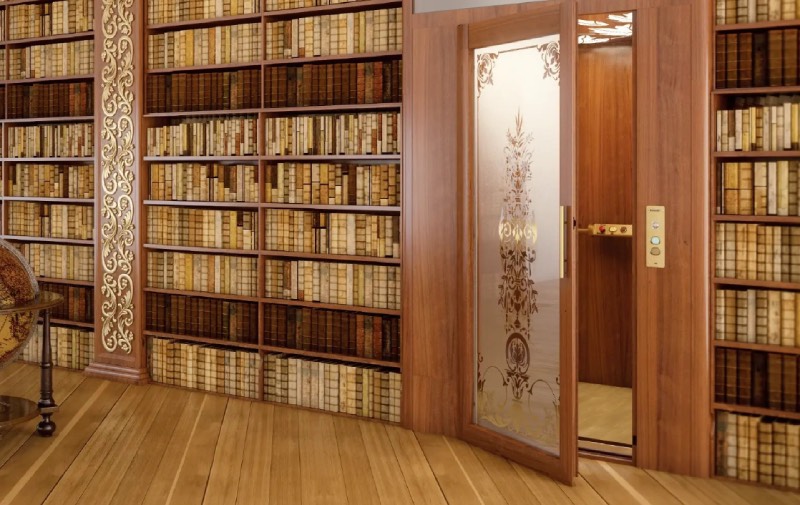
Also from that idea, he is currently nurturing a plan to coordinate with the Vietnam National Museum of Fine Arts to organize an exhibition on Vietnamese lacquer, connecting painting art with elevator space to tell the story of lacquer in the historical journey. The exhibition is expected to be themed "Sơn ta, đất Tổ - Journey of a century", as a way to suggest a meeting between traditional art and contemporary architectural space, opening a journey for the "Made in Vietnam" elevator to step out into the world, because if we only go with pure function, it is difficult for us to compete with European countries, but with culture and national soul, Vietnamese products can completely create a unique mark.
Concluding the story, Mr. Duc shared a simple thought: "I always believe that each stage of industry development needs pioneers who dare to think and dare to do. The initial steps may be small. But if taken with a sense of responsibility, steadfastness, determination and creative aspiration, they will create long-term changes.


