
Increase in cases of fraud and enticement of children online
Recently, a series of cases related to children being scammed and seduced in cyberspace have been continuously discovered in many localities, showing the increasing complexity and danger.
Notable tricks are "online kidnapping", in which subjects impersonate police, call victims to threaten them to be related to cases such as money laundering, and then guide them to stage kidnapping to force their families to transfer ransom money.

There are cases where they are asked to transfer hundreds of millions of VND; even, some victims are forced to self-isolate in hotels, cut off contact with their families to create a more realistic "kidnapping" scenario.
What is worrying is that many children completely trust and follow the instructions of fraudsters.
Not only stopping at the trick of impersonating functional agencies, the subjects also use the trick of "light work, high salary" to lure teenagers.
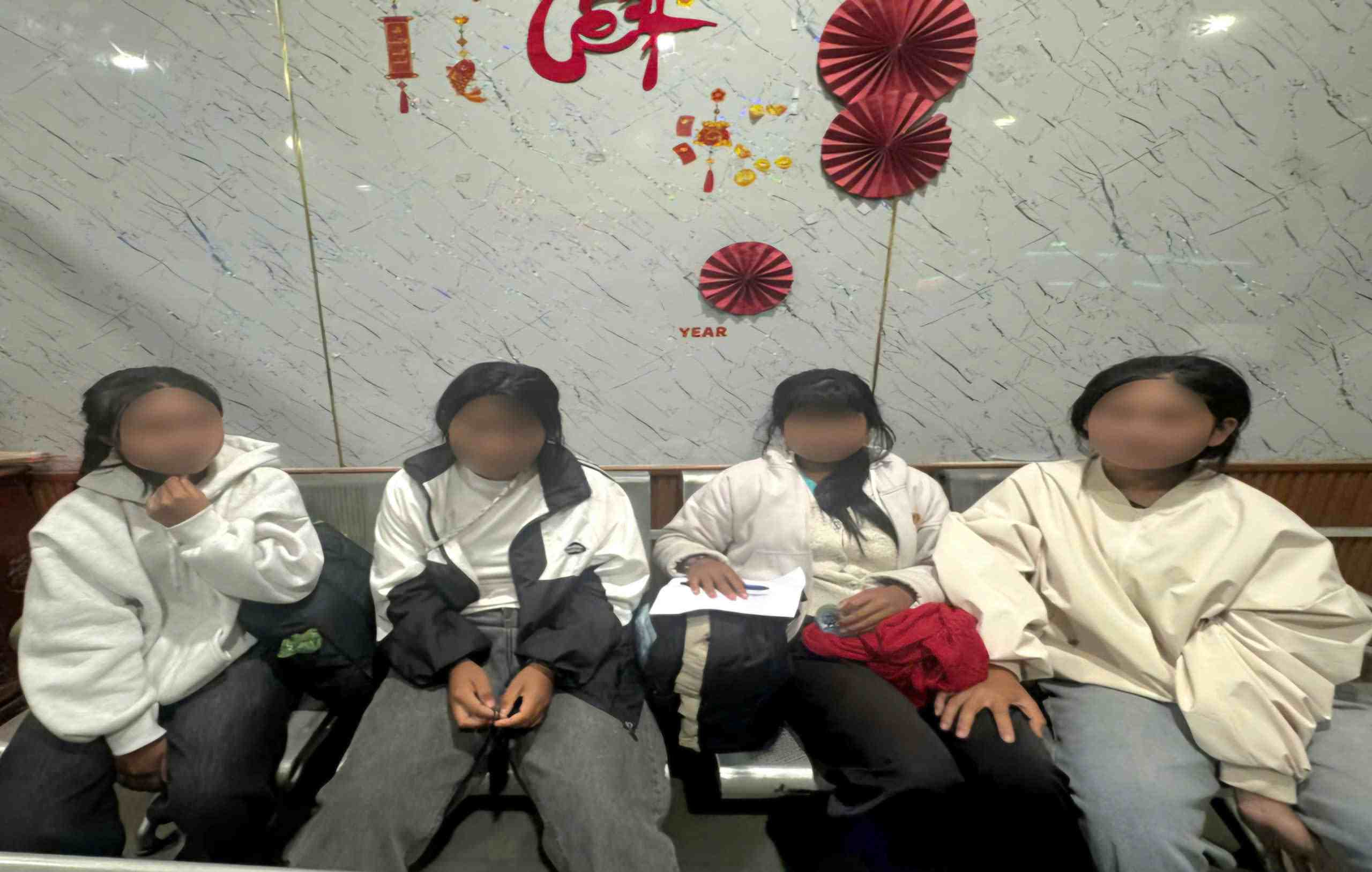
Typically, in the case in Lam Dong at the end of March 2026, 4 girls aged 14 to 17 voluntarily left their homes and took a bus to Ho Chi Minh City after contacting for work through social networks with strangers. The exchange of information all took place via text messages, with unclear identities and addresses, posing many risks of being scammed or dragged into illegal acts.
Fortunately, the police force promptly discovered and coordinated with the bus company and functional agencies in Ho Chi Minh City to pick up the children as soon as the bus arrived at the station, preventing the risk of serious consequences.
From the reality of the cases, functional agencies warn that the online environment is becoming a "land" for subjects to take advantage of the gullibility and lack of experience of children. Communication entirely through virtual space, without verification, makes children easily fall into fraud traps without realizing it.
From a psychological perspective, Dr. Vu Thu Huong - an education expert, former lecturer at the Faculty of Primary Education of Hanoi National University of Education - said that one of the deeper causes is the breakdown of trust between children and family. "Many young people do not trust their parents, relatives, and easily trust friends or strangers online. When families lack clear rules, lack companionship, children are easily led by external influences," she said.
Also according to this expert, many children are proficient in technology but lack life skills and risk awareness.
They can use social networks proficiently, but are not vigilant enough against sophisticated scam situations.
From legal completion to "digital immunity" for children
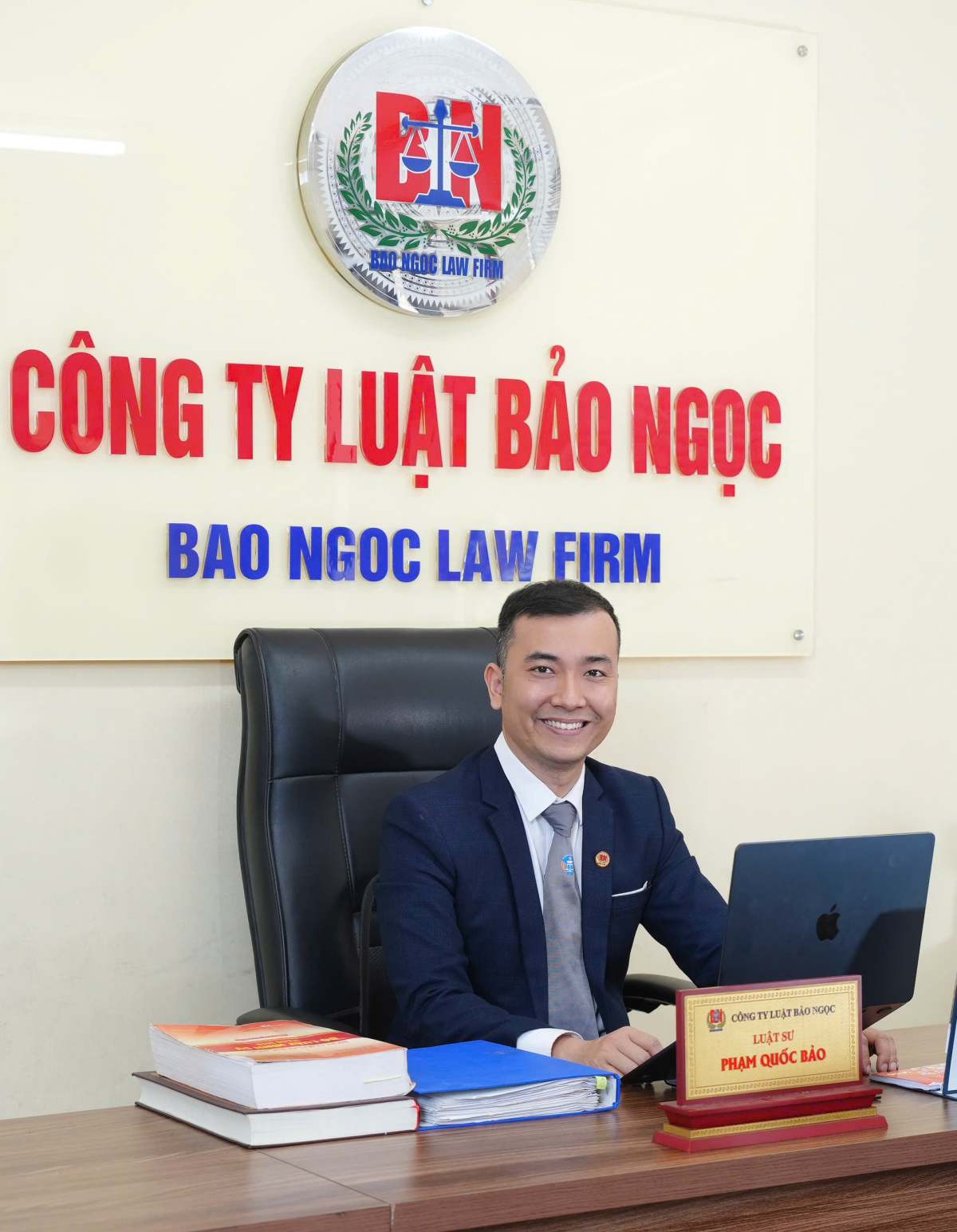
From a legal perspective, Lawyer Pham Quoc Bao - Bao Ngoc Law Firm (Hanoi Bar Association) - believes that the risks in cyberspace to children are increasing in both severity and nature. Not only financial fraud, many more dangerous acts such as "sextortion", "grooming" - approaching and building trust for abuse - or the use of artificial intelligence to create fake content to threaten victims are appearing more and more.
In the cases I directly received, there were three repeated difficulties: electronic evidence was erased before functional agencies could collect it, victims were silent because of fear and shame, and cross-border platforms cooperated slowly and unstablely," Lawyer Bao shared.
According to the lawyer, the core issue is not the lack of legal regulations. Currently, many acts have sanctions, from regulations in the Penal Code to the Law on Network Security.
However, the gap between regulations and implementation is still large, especially in the context of rapid technological changes.
Notably, Decision 468/QD-TTg issued in 2026 is considered an important step forward, when for the first time establishing a dual goal: both protecting children from cyberspace risks and developing digital capacity to make children safe digital citizens.
The program introduces many new points such as the application of artificial intelligence in detecting and handling the risk of abuse; establishing a "digital child advisory group" for children to participate in policy making; and setting specific targets such as 100% of schools implementing network security solutions, 100% of network operators integrating tools to prevent harmful content.
Lawyer Pham Quoc Bao assessed that the shift from the thinking of "handling violations" to "preventing risks" is in line with reality. "If we just wait for violations to occur before handling them, we will always be behind.
Meanwhile, toxic content on the internet can spread very quickly and cause serious damage in a short time," the lawyer said.
According to lawyers, the fundamental solution is not to ban, but to equip children with "digital immunity" - that is, the ability to self-identify, evaluate and respond to risks in the online environment.
From the reality of the cases, functional agencies also recommend that parents need to strengthen accompanying their children, guide them on safe network usage skills, verify information and keep in touch when there are signs of abnormalities.
Experts agree that protecting children in cyberspace cannot only rely on the law, but needs synchronous coordination between families, schools, technology businesses and children themselves - the "digital citizens" of the future.


