
A post shared on social networks in recent days has attracted the attention of many people when recounting the story of father-son love and the journey of a daughter taking care of her father during a critical illness.
The content of the article revolves around the memories of Ms. Pham Vu Da Huong (Thai Nguyen) about her father who passed away 3 years ago, from childhood years to the short but haunting period of treatment.
According to her sharing, her childhood was associated with the image of a father working hard, often going out early and coming home late. Despite being busy, the father still paid special attention to his daughter, limiting her from doing housework because he was worried that her health was weak.
Feeling sorry for his daughter, he shouldered all the housework with a heartbreaking advice: "Don't know how to do too much!". This way of raising creates a protected living environment, in which the child has to face fewer difficulties or pressures in the family.
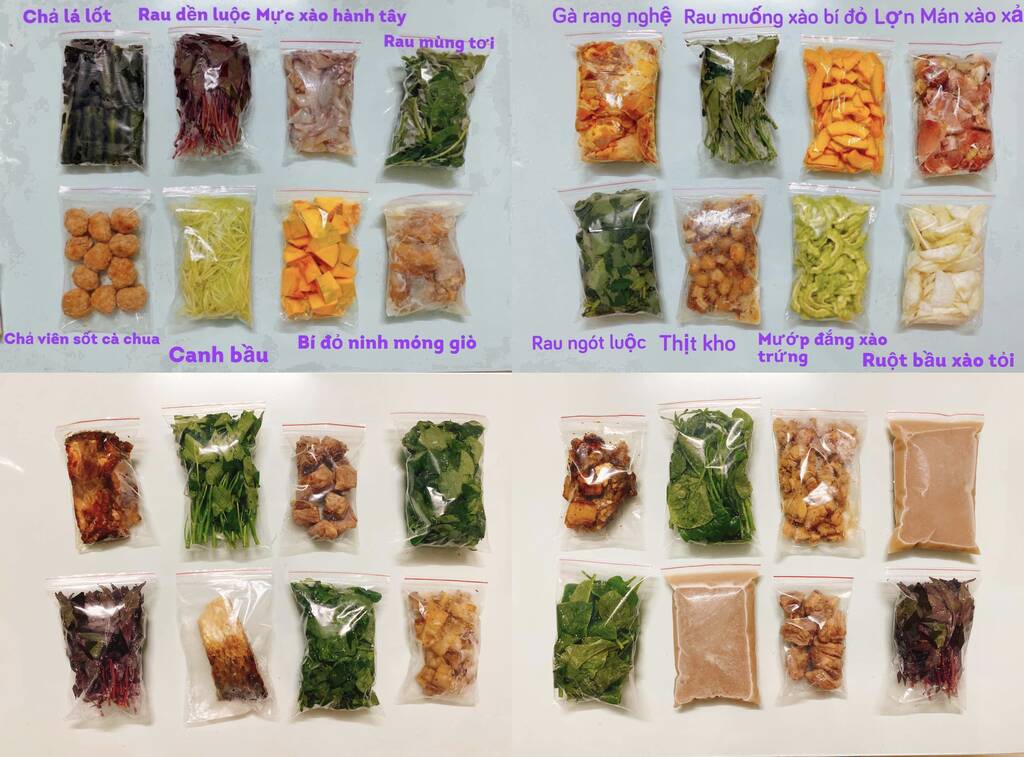
However, that "pampering" did not create a heartless child. When her father suffered from a serious illness, the little daughter of the past rose to become a solid support. Although working 60km from home, busy with her young child, every week 3 times she still stayed up late preparing meals, traveling far to bring them to the hospital for her father.
For her, taking care of her father is not a burden, but a painful happiness when she sees that the time with her father is still too short. She proudly affirmed: "The only luck in my life is being my parents' child.
From the above story, we can see the difference in each individual's perception of family obligations and feelings. Current reality shows that there are many cases where children consider raising and caring for their parents as a matter of course, leading to indifference or lack of care when parents are old or have health problems. Some cases even evade responsibility for care, or only perform it as a coping measure.
In that context, stories like the case mentioned above contribute to reopening the issue of how to behave in the family, especially the recognition of the nurturing merits of parents. This is not only a personal issue but also reflects changes in modern family life.


