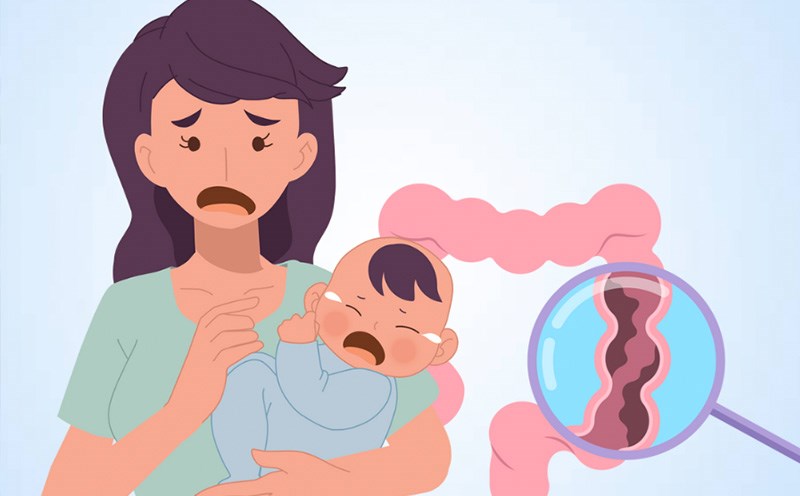
The first weeks after birth are a very sensitive stage for newborns. Because the immune system is not fully developed, children are susceptible to infection and the disease can progress faster than older children. Worryingly, the initial signs are often faint, unclear, making parents easily subjective and miss the time to intervene.
According to Dr. Ashwin Borade - pediatrician at Inamdar Hospital (Pune, India), infections in newborns often do not manifest as familiar symptoms such as high fever or frequent coughs. Instead, the disease often manifests through small but abnormal changes in behavior, breastfeeding ability, breathing rhythm and body temperature of children. Careful observation of these signs helps parents detect risks early and take children to the doctor at the right time.
Changes in feeding and behavior
One of the earliest warning signs is that children breastfeed poorly or change their breastfeeding habits. If the child is too sleepy, difficult to wake up to breastfeed, quickly tired from breastfeeding or suddenly breastfeeds less than usual, parents need to pay special attention. The child may also become more fussy or vice versa, sluggish, and less responsive.
Body temperature abnormalities
Fever in newborns is an important sign, but hypothermia is also equally dangerous. Children with temperatures below 36°C may feel cold in their hands and feet, pale skin. Both high and low body temperatures need to be examined by a doctor early, even if there are no other symptoms.
Signs through breathing
Breathing rate is an important indicator reflecting the condition of infection. Children breathing faster than 60 times/minute, groaning, puffy nostrils, and chest congestion when breathing are dangerous signs. If the child stops breathing in episodes, and the skin turns purple or gray around the lips and face, it is necessary to take the child to the emergency room immediately.
Manifestations on the skin and navel
Parents should carefully observe the navel and skin of the child. The skin around the navel is red, swollen, with pus or a foul odor, which is a clear sign of infection. Acne, pus stains, patchy skin, or jaundice appearing early or gradually increasing also need to be examined by a doctor.
Digestive disorder
Infections can affect the child's digestive system. Persistent bowel movements, especially vomiting green or bile, abdominal distension, diarrhea accompanied by poor breastfeeding or blood in the stool, are all dangerous signs. It is also necessary to pay attention to children not urinating for more than six hours.
When to take children to the doctor
Parents should take their children to the doctor during the day if the child has a mild fever, cold but still can breastfeed or shows abnormal drowsiness. Emergency cases include: the child stops breastfeeding many times in a row, has difficulty waking up, has difficulty breathing, convulsions, abnormal body temperature accompanied by poor breastfeeding, purple or pale skin.
According to experts, any child under 28 days old showing signs of weakness should be considered an emergency until assessed by a doctor. Parental caution is the key factor in protecting the health and lives of newborns.