
Picking vegetables by the edge of the field
After the rains, betel grass grows green on the edges of fields, edges of fields and humid soil places. People choose young trees that have not yet bloomed, and bring them back to process into dishes for their families.
Mr. Ha Truong Son, residing in Chieng An ward, Son La province, said that many people in the lowlands were surprised to see Barringtonia acutangula used as a vegetable.
Many people think that grass is only for buffaloes and cows to eat, but who would eat grass. But in Son La, young betel grass is a familiar dish of some families. Vegetables are picked at the right time, processed cleanly, and have a very unique flavor," Mr. Son said.
According to him, when picking, you must choose young plants, soft stems and no flowers. The grass is cut off the roots, the withered leaves are picked, washed many times and then boiled just cooked. If you choose old plants or cook for too long, the vegetables will be tough and lose their deliciousness.
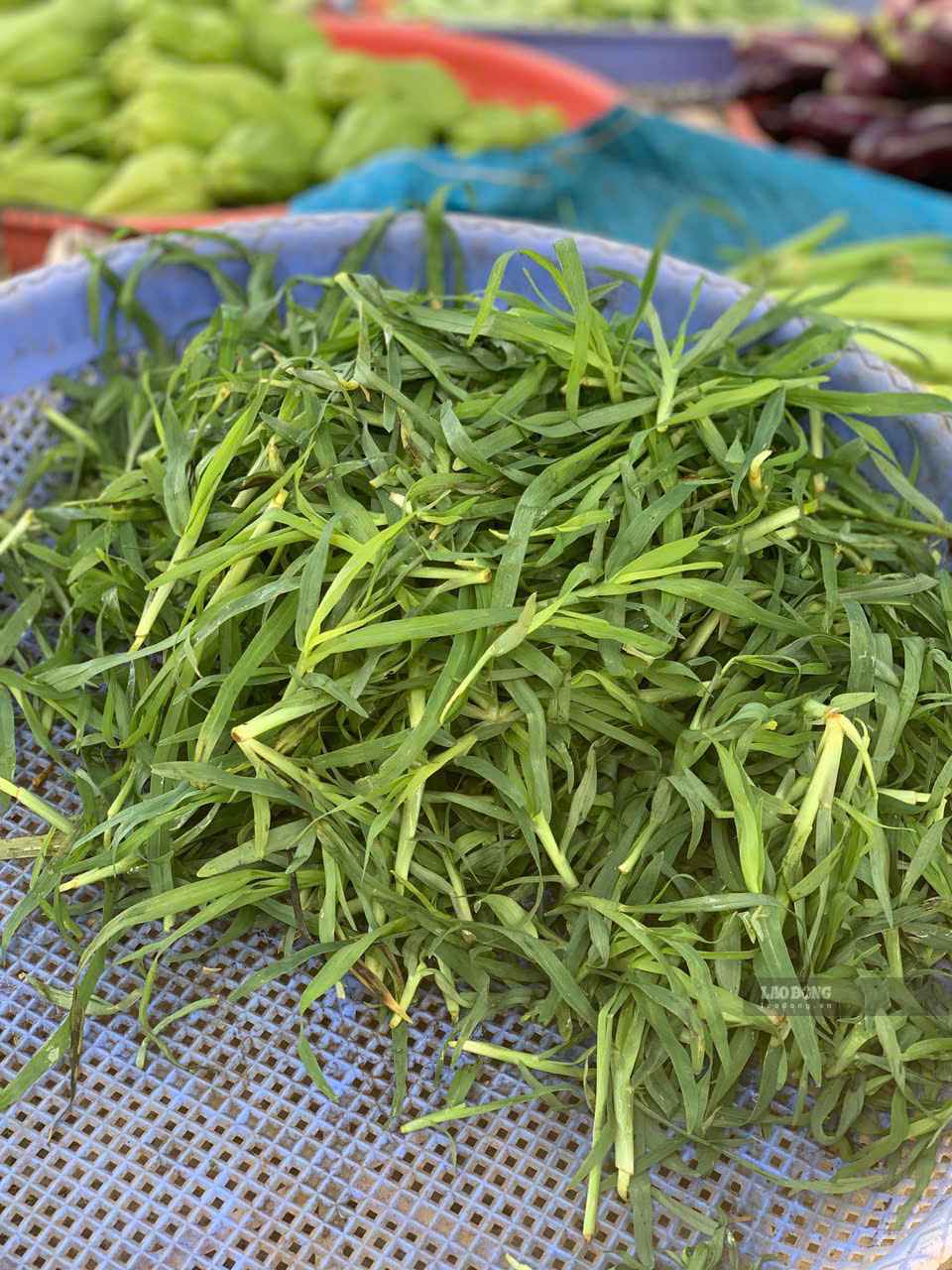
Boiled *cỏ mần trầu* grass has a green color, a fishy taste, slightly bitter at the tip of the tongue but the more you chew, the sweeter it becomes. The dish is often served with *chẩm chéo*, a spice made from salt, chili, garlic, mắc khén and herbs.
Some families in Son La like to dip mang trầu grass with fermented soy sauce. The soy sauce is made from fermented beans, has a rather strong smell but a buttery and fatty taste. Before eating, the soy sauce is added with chili, garlic and a little warm water, creating a rich dipping sauce.
People who are not used to it may be afraid of the taste of soy sauce and the taste of vegetables. But when they can eat it, many people will always remember that taste that is both slightly bitter, sweet, buttery and spicy," Mr. Son shared.
Dishes that preserve family memories
Betel quid grass is not a sophisticated dish, let alone expensive ingredients. Previously, people who went to work in the fields often conveniently picked a handful of young vegetables to bring home. Just adding a bowl of chẩm chéo or fermented soy sauce, the family would have a vegetable dish for their meal.
Nowadays, food is more abundant, but Mr. Son's family still occasionally looks for betel quid grass to change the taste.
For him, the dish evokes the simple meals with grandparents, parents and the time when people knew how to take advantage of the available products around them.
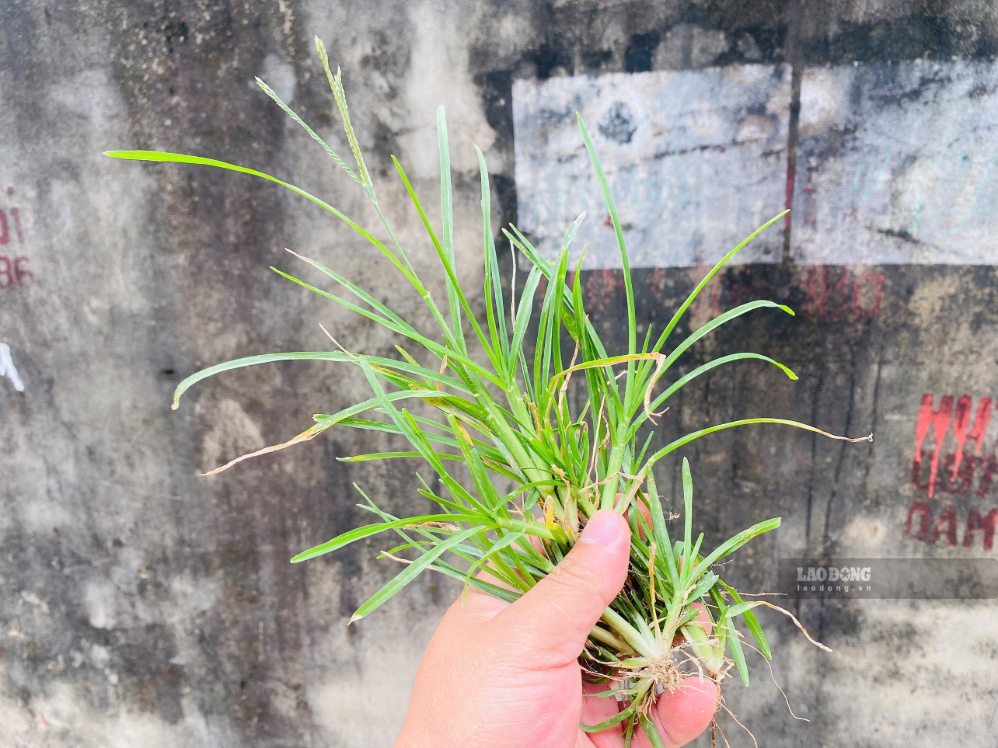
From a wild plant growing along the road, betel grass has become a part of the culinary memory of many Northwest families.
The value of the dish is not only in its unique flavor but also the story of a lifestyle close to nature, passed down from generation to generation.
When using, people need to correctly recognize betel quid grass, only pick young plants in clean areas, not contaminated with pesticides, and wash them thoroughly before processing.


