
One late autumn morning, Mr. Lo Van Van (in Sop Cop commune, Son La province) brought a bamboo basket down to the stream near his house to find rock moss.
Water flows through the rocks, below are patches of soft green moss, moving along the stream.
According to Mr. Van, moss cannot be used as food everywhere.
Experienced people often choose young moss growing in stream sections with clear water, flowing evenly, avoiding areas near living or grazing areas. Old moss is often tough, mixed with a lot of sediment and does not retain its natural sweetness.
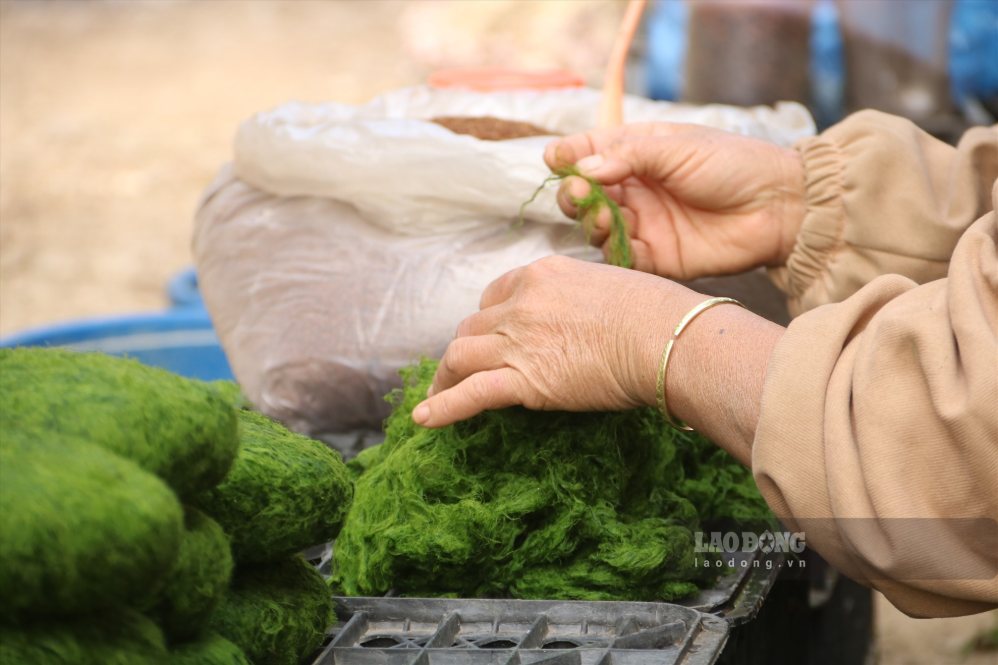
Delicious moss is green, the fibers are soft, and when touched, it is not greasy and mushy. Each time you take it, you should only choose a part, leaving the root for the moss to continue to grow," Mr. Van shared.
The moss patches just removed from the stream are still mixed with sand, small gravel and rotten leaves. This is also a raw material that requires a lot of preliminary processing time.
Mr. Van puts the moss in a basket, removes impurities and then rinses it several times with clean water. Then, the moss is placed on a flat surface, using a pestle or wooden bar to lightly beat to remove dirt remaining in the fibers.
Clean moss is squeezed, chopped, then mixed with salt, chili, ginger, lemongrass, herbs and a moderate amount of mac khen and doi seeds.
Spices not only suppress the fishy smell but also create the characteristic aroma of the Northwest mountains and forests.
The marinated moss is wrapped tightly in dong leaves or banana leaves, tied on the outside with bamboo strips. The moss wrapping is then placed on charcoal, turned evenly to prevent the outer layer of leaves from burning.
When the leaves start to darken, the heat makes the spices inside blend together, emitting a fragrant smell around the stove.
According to Mr. Van, moss grilling should not use too much fire. If the outside burns quickly while the moss inside is not cooked, the dish is easily dry and still smells fishy.
The maker usually patiently grills on small charcoal, until the wrapping of leaves softens and emits fragrance, then opens it to check.
Cooked moss is dark green, soft but not mushy. When eating, diners can feel the light taste of moss, the light spiciness of chili, the numbness and aroma of mắc khén and the faint smell of dổi seeds at the end of the flavor. This dish is often served with sticky rice or hot rice.
Mr. Van recounted that in the past, rock moss was a seasonal dish in the meals of many highland families.
Every time they go down to the stream to collect moss, adults often take their children along, both looking for ingredients and pointing out how to recognize places with clean water. When they return, the members surround the kitchen, some wash the moss, some pound the spices, and some prepare wrapping leaves.
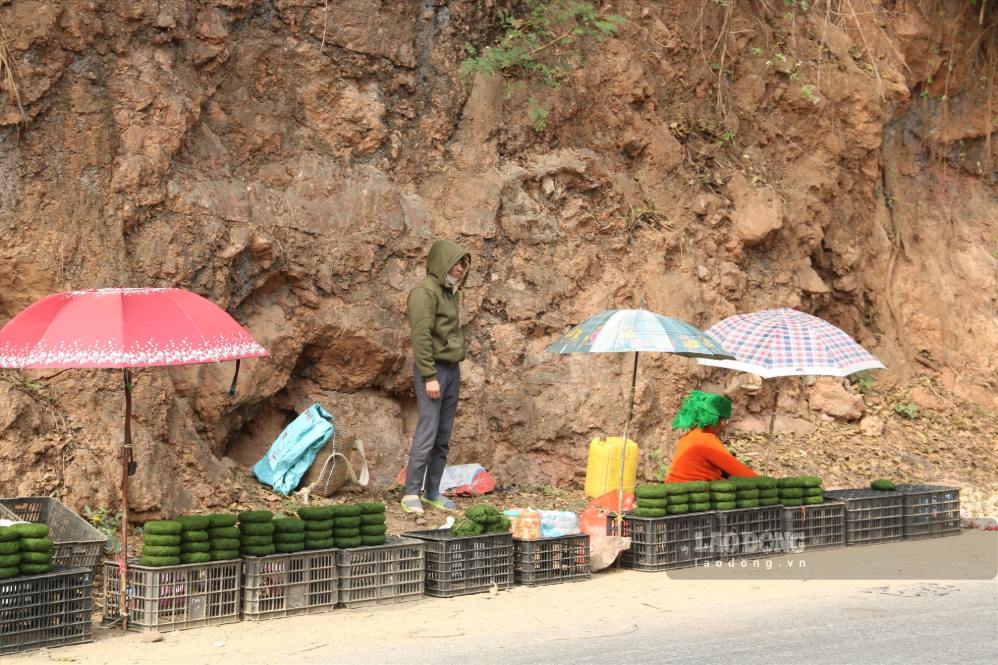
Today, grilled rock moss has become a dish that makes many tourists curious. The naturally growing ingredient from the stream bed, through many processing stages, is brought to the tray as a specialty.
However, for Mr. Van's family, the value of the dish is not in the novelty but in the memories of going down to the stream and gathering meals by the fire.
Now there are many delicious dishes, but sometimes my family still makes grilled moss. Adults remember the old flavor, and young children know more about the dishes of their hometown," Mr. Van said.


