
From "I lost to her", "Rose card with wrong name" to copyright controversy
At the beginning of 2026, songs like "Em thua cô ta", "Thiệp hồng sai tên" or "Hơn bất bất cứ ai" continuously appeared densely on TikTok, YouTube. Not only stopping at listening to music, users turned sentences like "Cô ấy tốt hơn em à..." or "Em viết thiệp hồng tên em thì đúng nhưng tại sao sai tên anh..." into scripts for a series of short videos, from humorous situations to dramatic love triangle stories.
The rapid spread has made these songs a phenomenon, attracting millions of views and countless variations. In particular, "More than anyone" - the Vietnamese version from a Chinese hit - is also remixed by AI in a rock style, creating a strong effect on social networks when many users use it as background music for emotional videos.
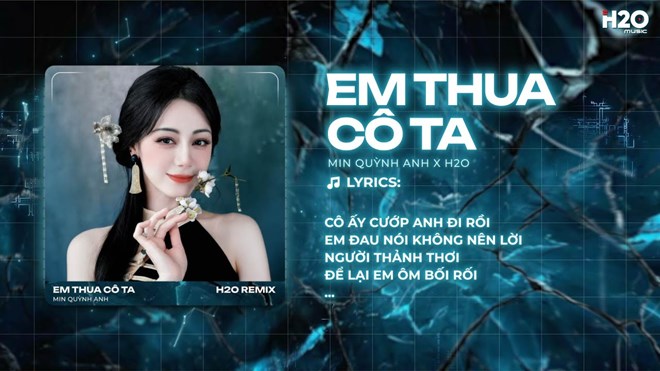
However, along with the coverage, controversies began to appear. AI remixing songs, changing styles, and even creating new "covers" makes many people question: what is the boundary between content creation and copyright infringement? Especially, when some content shows signs of imitating vocals or deeply interfering in recordings, the issue is no longer just copyright but also directly related to the rights of producers and performers.
Meanwhile, digital platforms still use content recognition systems to automatically allocate royalties to musicians when the original melody is detected, even in modified versions. This helps ensure rights to a certain extent, but does not thoroughly resolve disputes related to remixes, recordings or exploited vocals.
From viral music phenomena, the story is no longer just a content trend, but gradually shifts to a legal problem as technology intervenes more and more deeply in the process of creating and distributing music.
Understanding the law to protect yourself in the AI music era
In that context, when the amended Law on Intellectual Property in 2025 is about to take effect from April 1, 2026, the requirement to understand the law and proactively prevent risks becomes urgent.
Lawyer Pham Quoc Bao - Bao Ngoc Law Company (Hanoi Bar Association) commented: "This is a very new legal territory, both in Vietnam and in the world. Before acting in which direction, it is necessary to understand three things correctly: what the current law says, what is still open, and who is responsible when a dispute occurs. Products created by AI are potentially endangering copyright and personal rights.

From the user's perspective, lawyers believe that it is necessary to change the approach, considering the use of AI not only as creativity but also as an activity with legal risks.
He analyzed: "Users must clearly identify to what extent they have participated in creativity, because this is an important basis to prove copyright. At the same time, it is necessary to preserve relevant data such as command logs, drafts, and editing history as evidence if disputes arise.
Those who have products should compare them with existing works to assess the level of similarity in melody, harmony, rhythm or performance style. If significant similarities are detected, it is necessary to proactively adjust or temporarily suspend exploitation to limit legal risks.
According to lawyers, users need to carefully read the terms of AI platforms to understand the right to commercialize and the scope of responsibility. At the same time, new regulations require AI products that mimic human voice or images to be clearly labeled for recognition.
Non-transparency can lead to content removal or handling according to regulations.
Lawyer Pham Quoc Bao emphasized: "It is not advisable to assume that AI music is implicitly free of copyright, AI data learned from it may still be protected. Absolutely do not clone specific artist voices for commercialization, this is the highest legal risk zone, simultaneously touching personal rights and rights of performers. Users need to carefully read the terms of the AI platform to know their commercialization rights and scope of responsibility".
In case of disputes arising, lawyers recommend prioritizing a flexible approach, starting from negotiation, revision or source recognition... When necessary, parties can use legal mechanisms such as professional expertise, complaints or lawsuits in court.
On the contrary, the person whose rights are infringed also needs to change their approach. According to the lawyer, it is not only necessary to rely on copyright but also to build a multi-layered strategy, combining factors such as personal rights, rights of performers or violations of the obligation to label AI.
The lawyer noted: "Do not sue when you only have a similar feeling without specific technical evidence of melody, harmony, or structure. It is necessary to collect and notarize digital evidence immediately upon detection. At the same time, priority should be given to negotiation before suing, especially when the case still has many new and complex elements.


