
Almost every time the movie is released in theaters, after only 1-2 days, Tran Thanh has to write long articles on his personal page, almost "begging" the audience to go to the movies and not film secretly, reveal details and endings.
Most recently, Tran Thanh cried for help because "Thỏ ơi!!" was secretly filmed and posted rampantly. However, after his cries for help, the videos are still being replicated, showing no signs of stopping. Currently, a series of videos secretly filming thrilling excerpts such as the scene where Hai Linh (Lyly) demands a divorce because she discovers her husband cheating, the scene where Hai Lan (Van Mai Huong) argues, raises her voice, or the ending of the movie, when Kim (Tran Thanh) grabs a knife and rushes into Hai Linh's house... are all being shared rampantly on platforms.
Before Tran Thanh, a series of films fell into this situation. From "Dao, Pho and Piano", to the series "Lat Mat" by Ly Hai, "Mua Do" by director Dang Thai Huyen.
Red Rain" has been in theaters for more than a day, director Dang Thai Huyen had to post. Director - Meritorious Artist Dang Thai Huyen used words like "sad", "heartbreaking" when witnessing many audiences watching "Red Rain" taking photos, secretly filming film content and then posting it online.
According to director Dang Thai Huyen, this not only violates copyright but also seriously affects the psychology of audiences who have not had time to go to the cinema to watch the movie.
Immediately after that, the cast of "Red Rain" simultaneously spoke out about the fact that the audience is seriously violating the principle of copyright respect, and criticized the act of secret filming and leaking film content by many social media accounts.
A "Red Rain" actor describes the pain of Vietnamese films when the act of secretly filming and revealing film content is taking place "calmly" and rampantly on social networks.
Revealing the content of the film, ending the film (spoil) is a brutal act of infringing on the work, when knowing the content of the film in advance will take away the emotions, surprise, astonishment, and viewing experience... of other audiences (who have not seen the film).
This behavior also seriously affects film revenue, because many viewers after knowing the end of the film, after watching a few important excerpts, may decide not to buy tickets to the cinema.
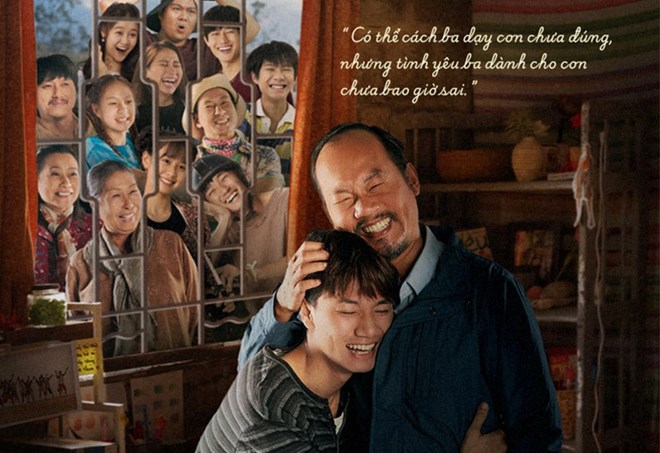
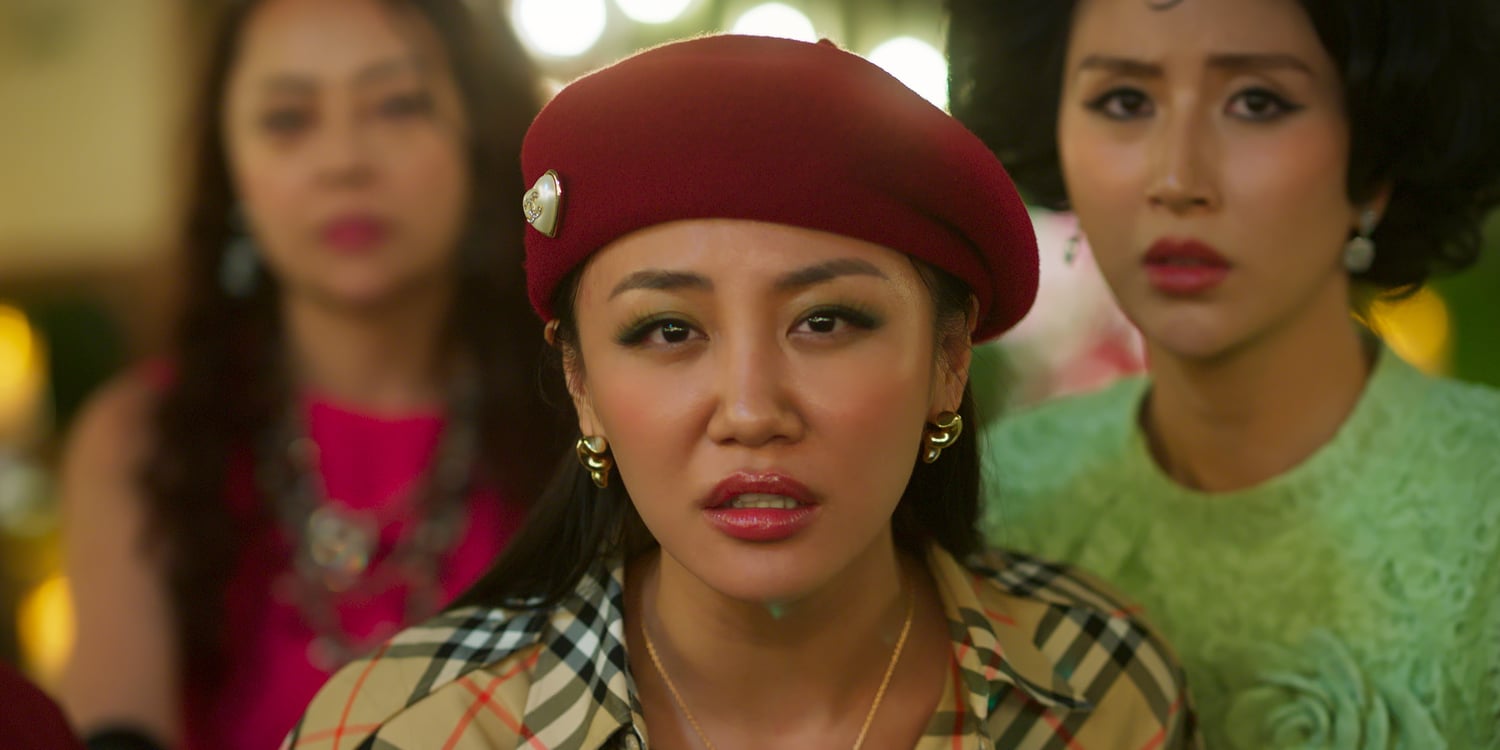
In countries with developed cinema in the world, the act of "spoil" (revealing film details) may face imprisonment.
In Vietnam, the Law on Intellectual Property stipulates that the act of "spoiling films", secret filming... is an act of copyright infringement.
Accordingly, the amended and supplemented Law on Intellectual Property in 2022 has regulations on the act of "reviewing films", secretly filming, cutting, modifying, or distorting film content in any form without the consent of the author or copyright owner, causing damage to the honor and reputation of the author, which is an act of copyright infringement.
This is an act that is assessed as "unconscious" and profiteering (attracting views, likes) from social media accounts.
Vietnamese cinema is undergoing strong transformation as one of the spearhead industries of the cultural industry. In 2025, Vietnamese films have a trillion-dong shift when a series of films achieve high revenue, raising domestic film revenue to more than 3 trillion, nearly double compared to 2024.
In the content of Resolution No. 80-NQ/TW, issued by the Politburo on January 7, 2026, the film industry is not only identified as a leading spearhead industry, but also an industry expected to have a national brand from now to 2030, with a vision to 2045.
To reach out and transform, copyright protection becomes a matter of survival for the film industry. Protecting copyright and authors' rights is a way for films to be respected, protected, and to optimize revenue when released in theaters.
Discussing the cultural industry before the new transformation, Assoc. Prof. Dr. Bui Hoai Son - Member of the National Assembly's Committee for Culture and Society said that to build brands, develop brands and elevate them to national brands, cultural and artistic fields need to set strict standards for copyright protection.
To have a sustainable brand, there must be clear "rules of the game": protecting intellectual property rights, strictly enforcing copyright, standardizing quality standards, and transparent post-inspection mechanisms. Without copyright, there is no investment motivation; without standards, there is no trust; without trust, a brand cannot be built," Mr. Son said.


