
Not only VCPMC participates in music copyright management
Along with the new regulations on music copyright fees taking effect from July 1, many coffee shop and restaurant owners are still concerned not only about the fee level but also about the unit with the right to collect it.
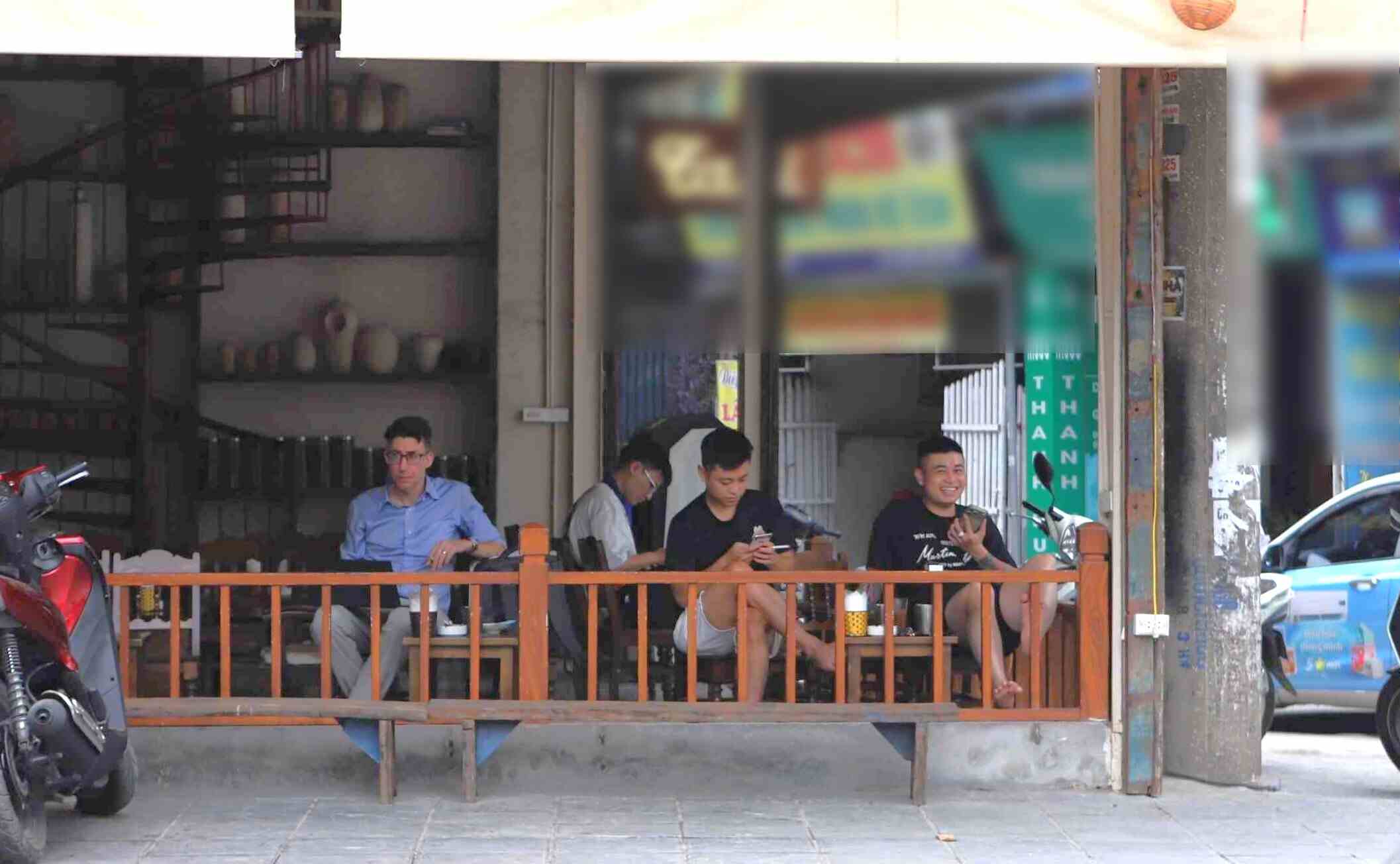
I don't understand the specific types of rights as well as the method of collecting money. If someone comes to collect later, what is the basis to determine that my shop is using music that is subject to fee? I think there needs to be clearer guidance," shared Mr. Duong Manh Quyet, who directly operates a milk tea shop in Cau Giay (Hanoi).
Talking to Lao Dong Newspaper, Lawyer Hoang Ha (Ho Chi Minh City Bar Association) said that this is also a concern of many business households because they have not distinguished between copyright and related rights when using music.
According to the lawyer, legally, collective representative organizations of copyright and related rights are only allowed to negotiate, license, collect and distribute copyright money within the scope authorized by the author or copyright owner.
Currently, the Vietnam Center for Protection of Music Copyright (VCPMC) is one of the collective management organizations for copyright in the field of music within the scope authorized by authors and copyright owners.
However, besides copyright, there are also related rights for performers and producers of audio and video recordings.
These entities can also authorize other collective representative organizations to carry out licensing and collect copyright fees in accordance with the law.
Units can be the Vietnam Recording Industry Association (RIAV), the Vietnam Copyright Center (VCA)...
The business establishment working with which organization depends on the type of rights being exploited and the scope of authorization of each organization, not just automatically working with VCPMC," Lawyer Hoang Ha analyzed.
The lawyer also noted that VCPMC is not a state management agency, so it does not have the right to conduct administrative inspections and examinations in the sense of coercion or sanctioning businesses and business households.
Within the scope of authorization, this organization has the right to work with music-using establishments, request the signing of licensing contracts, collect copyright fees and protect the legitimate rights and interests of authors and copyright owners.
The shop owner has the right to request the provision of documents before payment
According to lawyer Hoang Ha, when someone comes to work on copyright money, the shop owner is not obliged to pay immediately if they have not been provided with sufficient evidence to prove their representative status.
In principle, copyright representative organizations cannot just come to the shop and request verbal payment.
The business establishment owner has the right to request the provision of documents proving the legal status of the collection organization; a letter of introduction or power of attorney from the person directly working; a basis to prove that the organization is representing the author group or copyright owner; a list of works, audio and video recordings or the scope of the authorized music store; scope and term of authorization; tariffs, payment methods; draft contracts for licensing use; invoices, receipts and receipt accounts.
According to the provisions of Decree 17/2023/ND-CP, collective representative organizations must also publicly disclose information about the author's name, copyright owner, work name, related rights objects, scope of authorization, validity of the authorization contract, licensing activities, collection and distribution of copyright money.
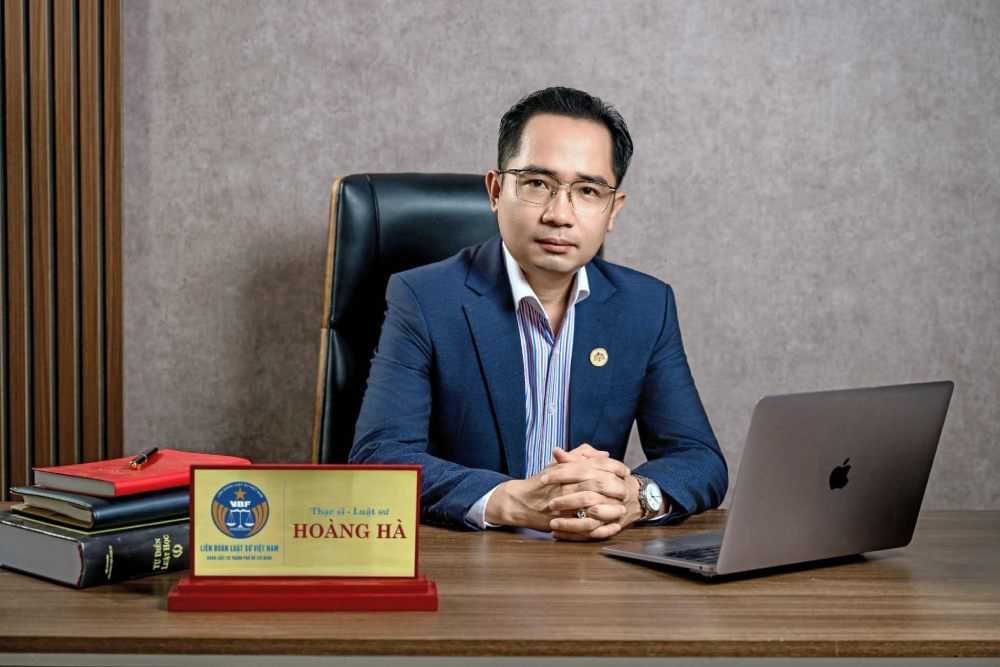
If the organization cannot prove its representative status and authorization scope, the shop owner has the right not to pay immediately, request to work in writing to avoid mistaken payment, overpayment or payment to people who do not have the right to collect," Lawyer Hoang Ha emphasized.
According to the lawyer, if disputes arise, the parties should first request the collection organization to prove their representative status, authorization scope, list of works and fee calculation basis. In case no agreement is reached, the parties can negotiate, reconcile or sue in court to determine rights and obligations according to the provisions of law.


