
Interactive storytelling techniques help children deeply participate in the process of exploring the content of the story, and have more opportunities to use language skills such as predicting the situations that will follow, discussing details related to the character.
In addition to reading books from beginning to end with children, teachers also actively create conversations throughout the reading process. Thanks to that, children not only follow the developments of the story but also predict, explain, ask questions and exchange opinions with friends. A simple but effective technique is to create "stop points" when reading stories. While reading books for children, teachers can pause at important details to ask open questions such as: "What do you think will happen next?" or "Why did the character do that?". These questions encourage children to think, express ideas, listen and respond to friends' opinions, helping language skills develop naturally and sustainably.
When the story ends, the learning activity does not stop. Children can continue learning activities associated with the content of the story such as rearranging the pictures in the correct sequence of development or creating new sequences of development of the story, transforming into their favorite characters or building scenes that appear in the story with friends. These activities help children continue to use language in close and exciting situations.
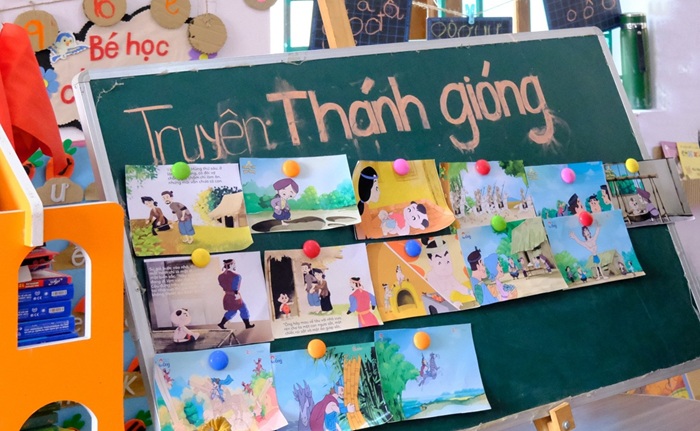
A picture book will maximize learning value as much as possible when it becomes a bridge for conversations between teachers and children. When teachers know how to ask questions, listen and encourage children to share their thoughts, each storytelling hour will not only nurture love for books but also contribute to forming language skills, thinking and confidence - important foundations for lifelong learning.


