
Cốm is a gift associated with Hanoi autumn, carrying the characteristic flavor of young rice grains. When the weather changes season, cốm factories also enter the busiest time of the year, when the number of customers and orders increases.
In Me Tri young rice flake village (Tu Liem ward, Hanoi), the atmosphere of processing goods these days becomes more bustling. The stages are maintained continuously, young rice flake growers must increase personnel and increase shifts to promptly bring products to the market.
Ms. Ngo Thi Thuc - Chairwoman of Me Tri Traditional Craft Village Cooperative (Tu Liem Ward, Hanoi) said that the young rice flake making profession in the locality has been maintained for many generations. People in the profession today continue the work of their ancestors, and at the same time find ways to apply machinery and technology to suit the current preservation and consumption needs.
To make a delicious batch of cốm, input materials play an important role. Rice is selected when it is still green, the grains are in the'milk-making' stage," Ms. Thuc shared, this is the time to help the cốm after processing have the flexibility and characteristic flavor of Me Tri cốm.
Besides raw materials, the experience of the maker also determines the quality of each batch of young rice flakes. According to Ms. Thuc, the roasting stage requires concentration and the craftsman must have experience to adjust the fire accordingly. A batch of young rice flakes can take more than an hour to roast, in which the heat must be maintained stably so that the grains cook evenly, not burnt or not cooked enough.
If previously the preservation of cốm mainly relied on experience, now the Cooperative has used deep freezing technology to extend the preservation time. Cốm is put into the freezer at a temperature of about -30 to -35 degrees C.
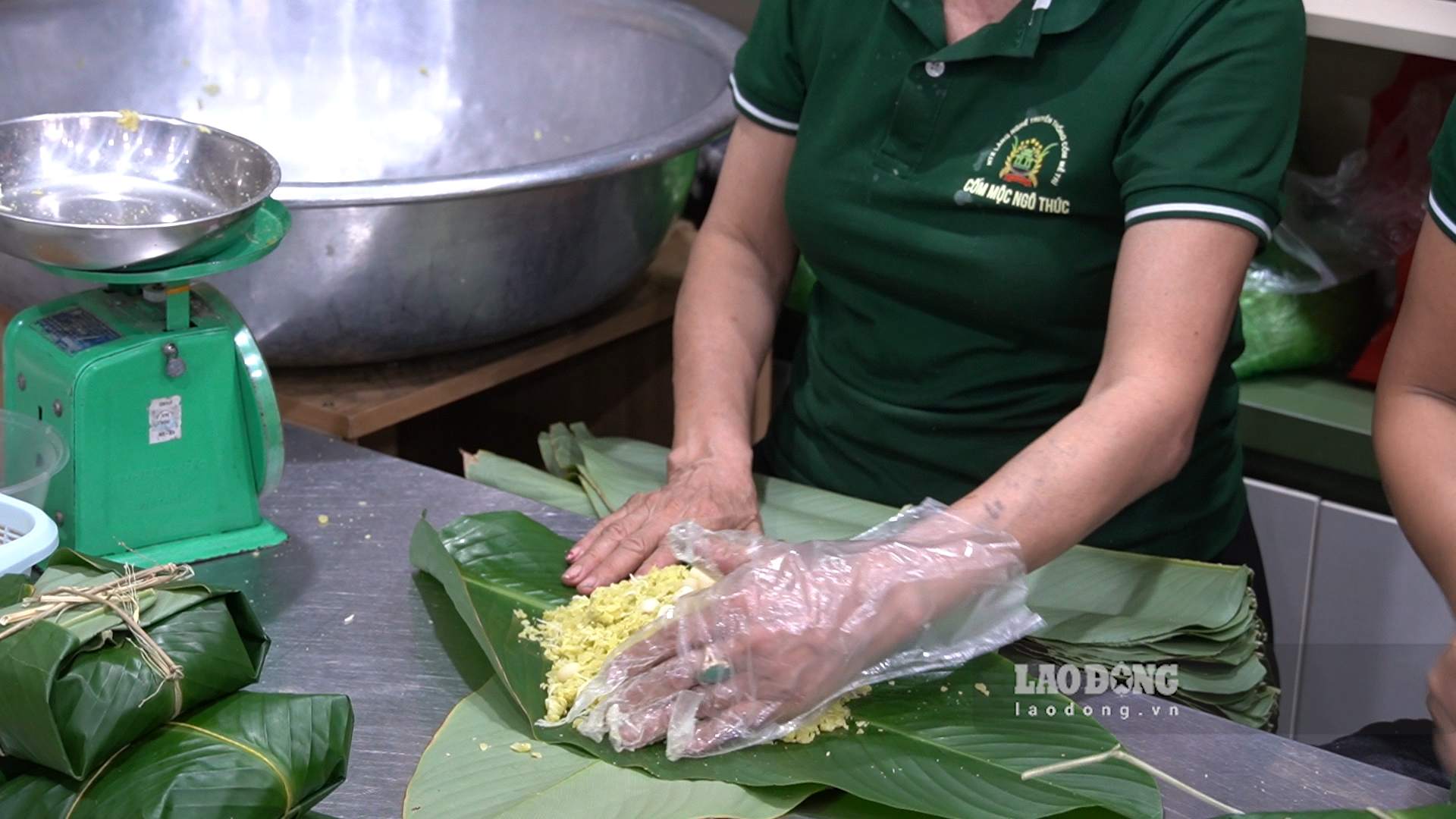
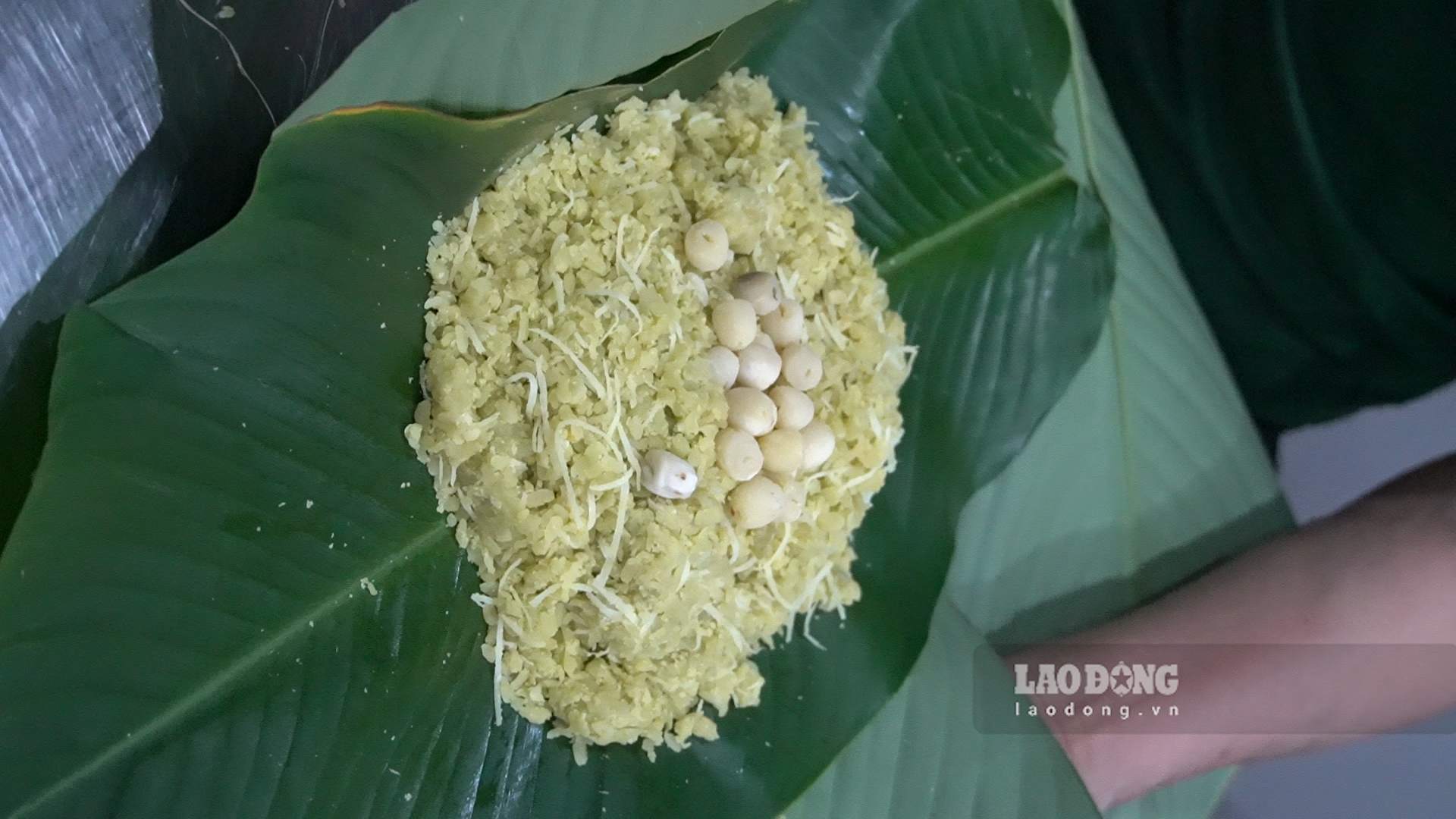
Not only customers buy cốm to enjoy, cafes and a part of young customers also come to the product. The xôi cốm portions are packaged in moderate sizes, suitable for enjoying with tea or buying to take away.
Ms. Hoang Thi Huong, a member of the Com Me Tri Traditional Craft Village Cooperative (Tu Liem Ward, Hanoi) said that on these days, she usually starts working from 3 am and finishes late at night.
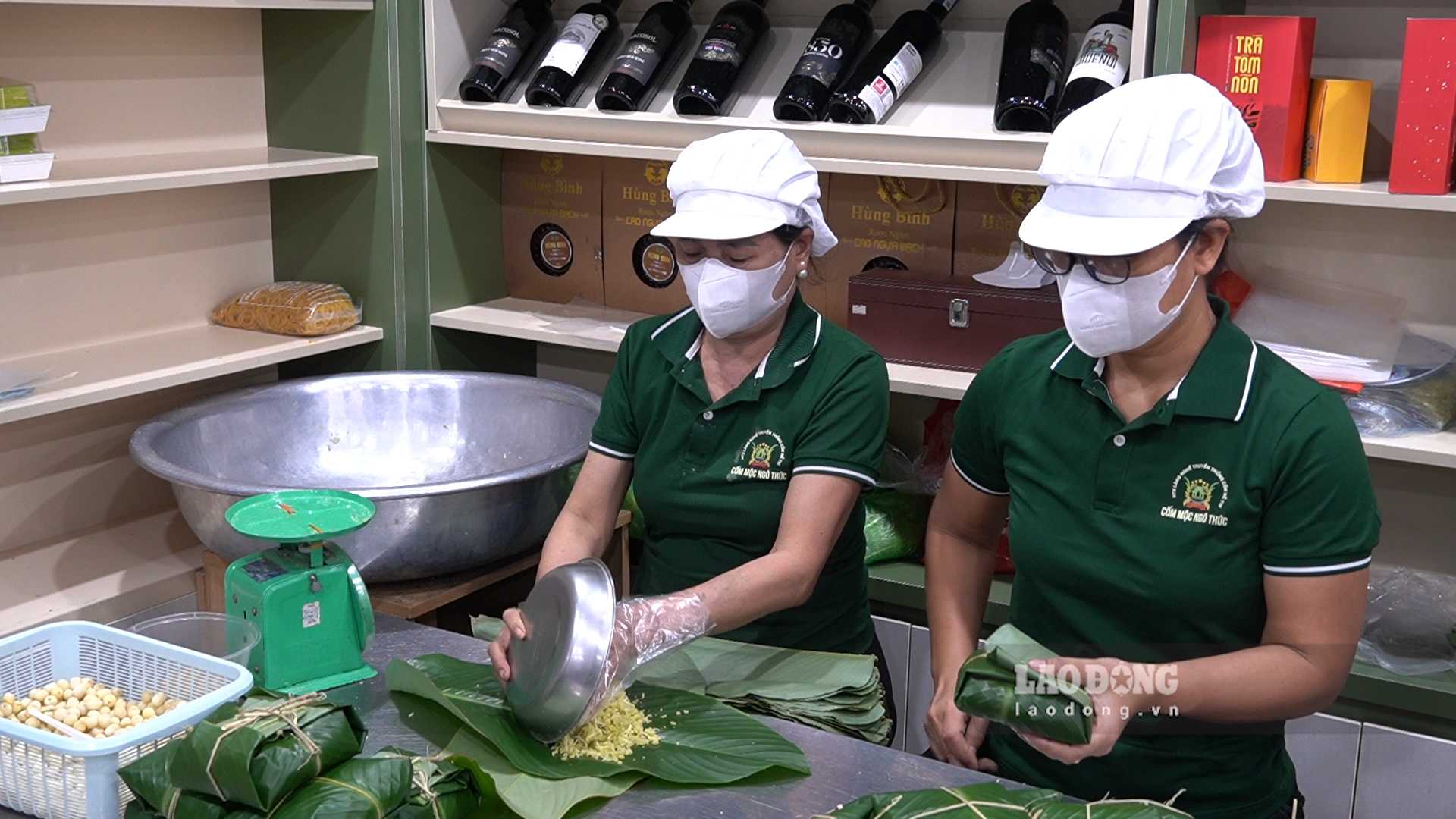
Me Tri vermicelli is soft and sticky, so when wrapping sticky rice, fresh seaweed leaves are often used. Leaves are cleaned and trimmed neatly before use. For products that need to be transported far away, the processor can vacuum them to make it more convenient in the preservation process," Ms. Huong said.
From young rice grains, through many stages and the experience of craftsmen, cốm becomes a familiar treat every autumn. Behind the packages of cốm reaching customers is the busy pace of work of those who are continuing to preserve the traditional craft in modern life.


