
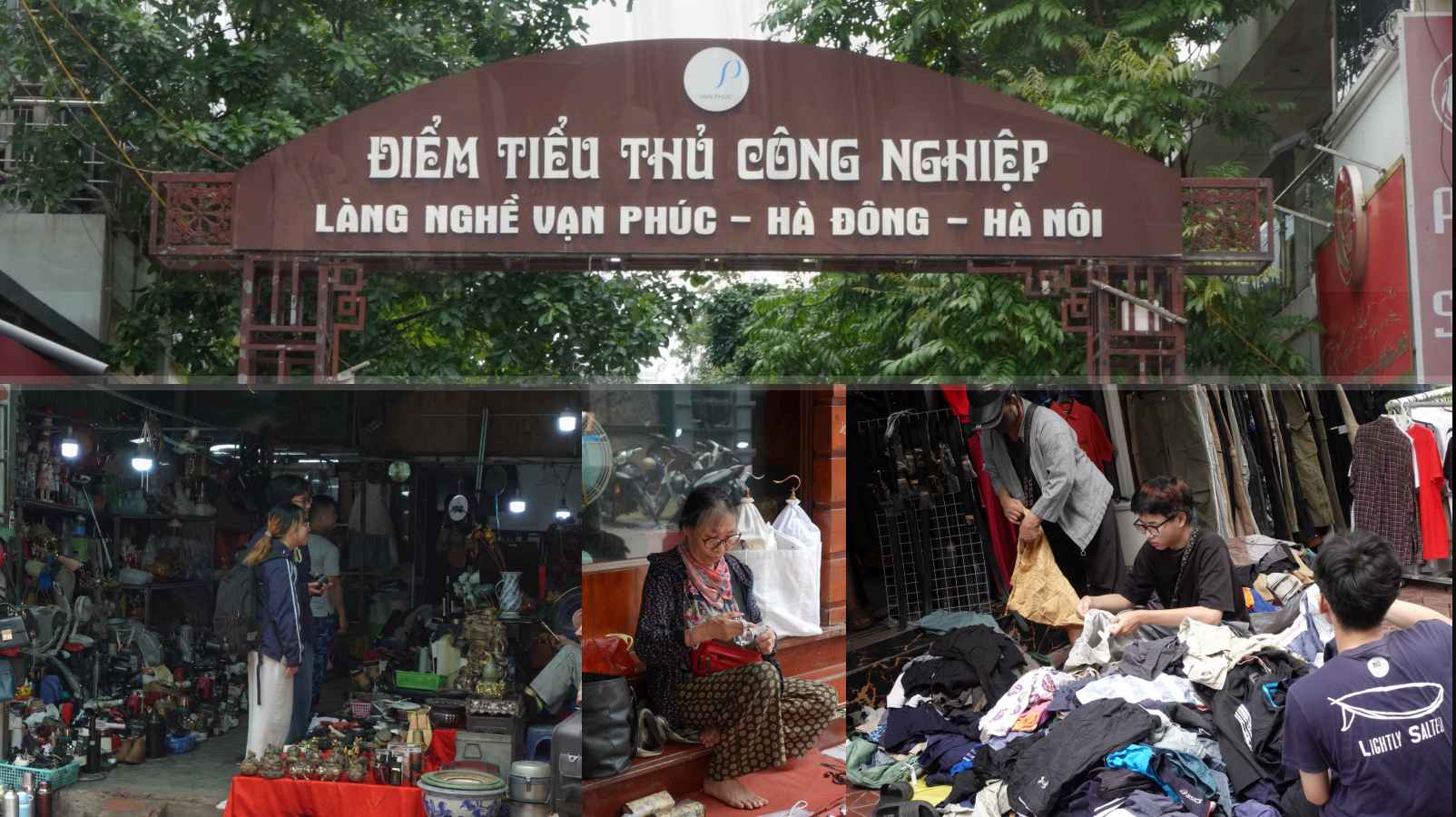
From shirts for only tens of thousands to bustling stalls with people coming in and out every day, especially on weekends, Van Phuc used goods market (Ha Dong ward, Hanoi city) is becoming a familiar destination for many young people. In the context of increasing living costs, second-hand goods are considered a solution to help optimize spending. However, behind the psychology of "cheap prices should buy", many young people are spending more on items that are not really necessary.
Second-hand goods attract young customers because of cheap and diverse prices
At about 8 am on the weekends, Van Phuc used goods market (Ha Dong) was already crowded with shoppers. From clothes, shoes, household appliances to old electronics, all kinds of goods are displayed close together along the small walkways. Amidst the bustling atmosphere of the market, young people look for cheap items, while many middle-aged people spend time choosing familiar items for daily life. The diversity of items and shopping subjects makes the market a corner that clearly reflects the consumption life of many people today.
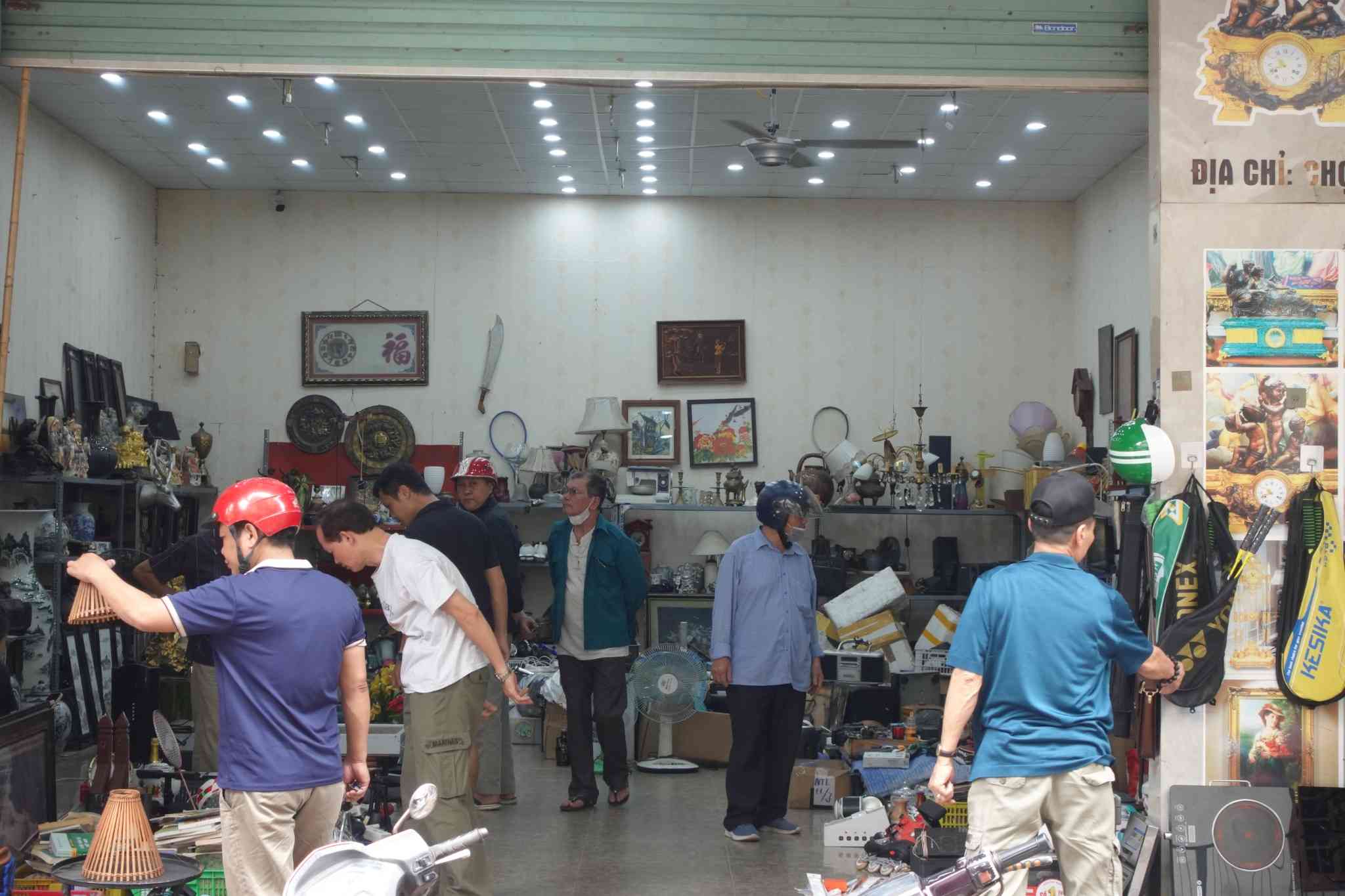
With just a few tens of thousands of VND, buyers can find many different items, from clothes, shoes to household goods. Compared to the prices at ordinary stores, second-hand goods are considered a suitable choice for the pockets of many people, especially young people in the context of increasing living costs.
Sharing with Lao Dong, Ms. Doan Huong Giang - a second-year student in Hanoi said that she usually visits the used goods market 2-3 times a month to buy necessary items.
A new shirt can cost several hundred thousand VND, while here it only costs about a few tens of thousands but still looks good. Old and new, for students like me, it is very suitable because it saves quite a lot of costs" - Ms. Giang shared.
Not only because of the cheap price, many young people turn to second-hand goods also because they want to find items with their own style, rarely overlapping with the mass fashion market.
Cheap to buy" and the consumption problem of young people
However, behind the thought of "buying to save" is another reality: Many young people are spending more because of the psychology of buying cheap goods.
It is not difficult to see images of many young people walking out of the market with many bags of goods even though they initially only intended to buy a small item. The low price makes making shopping decisions easier.
Huu Dat - a student living in Ha Dong ward said that he had bought more than his actual needs many times. "Initially, I only intended to buy a few old items such as pans and rice cookers, but seeing that they were cheap, I decided to buy more. The total amount of money in the end was much more than expected" - Dat said.
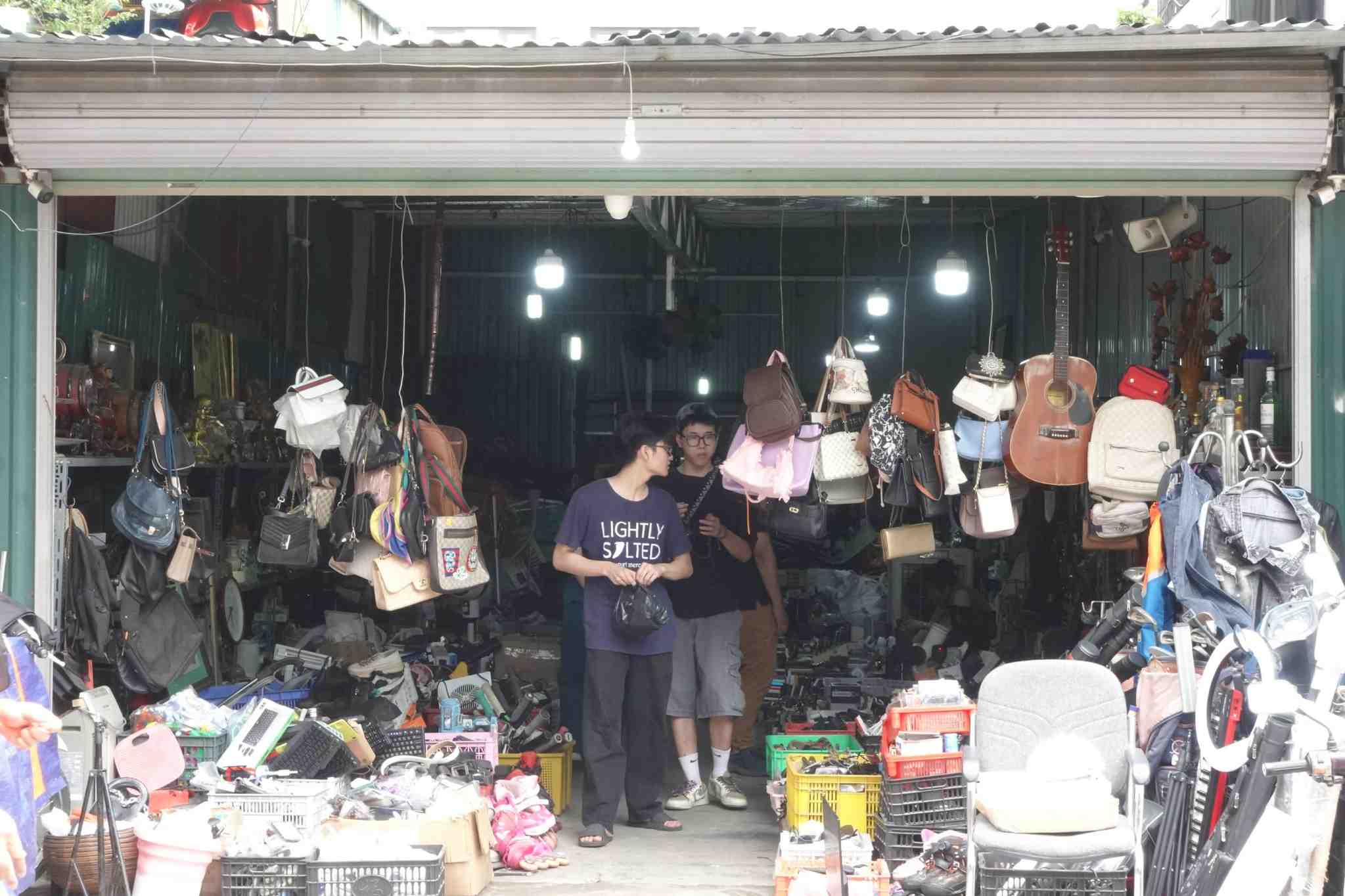
According to records, the psychology of "cheap to buy" is becoming one of the factors that makes many young people prone to unplanned spending. Small amounts of money, repeatedly, can create significant spending at the end of the month.
If second-hand goods used to be associated with the need for savings, now this market is gradually changing under the impact of consumer trends and social networks.
On TikTok or online platforms, many videos "haul đồ si", "hăn đồ vintage" attract hundreds of thousands of views. Many young people come to the used goods market not only to buy cheap clothes but also to experience the feeling of "hunting" for unique items.
Shop owners at Van Phuc market said that the number of young customers has increased significantly in recent years, especially on weekends. Besides direct sales, many small traders have also started livestreaming or selling goods through social networks to reach young customers.
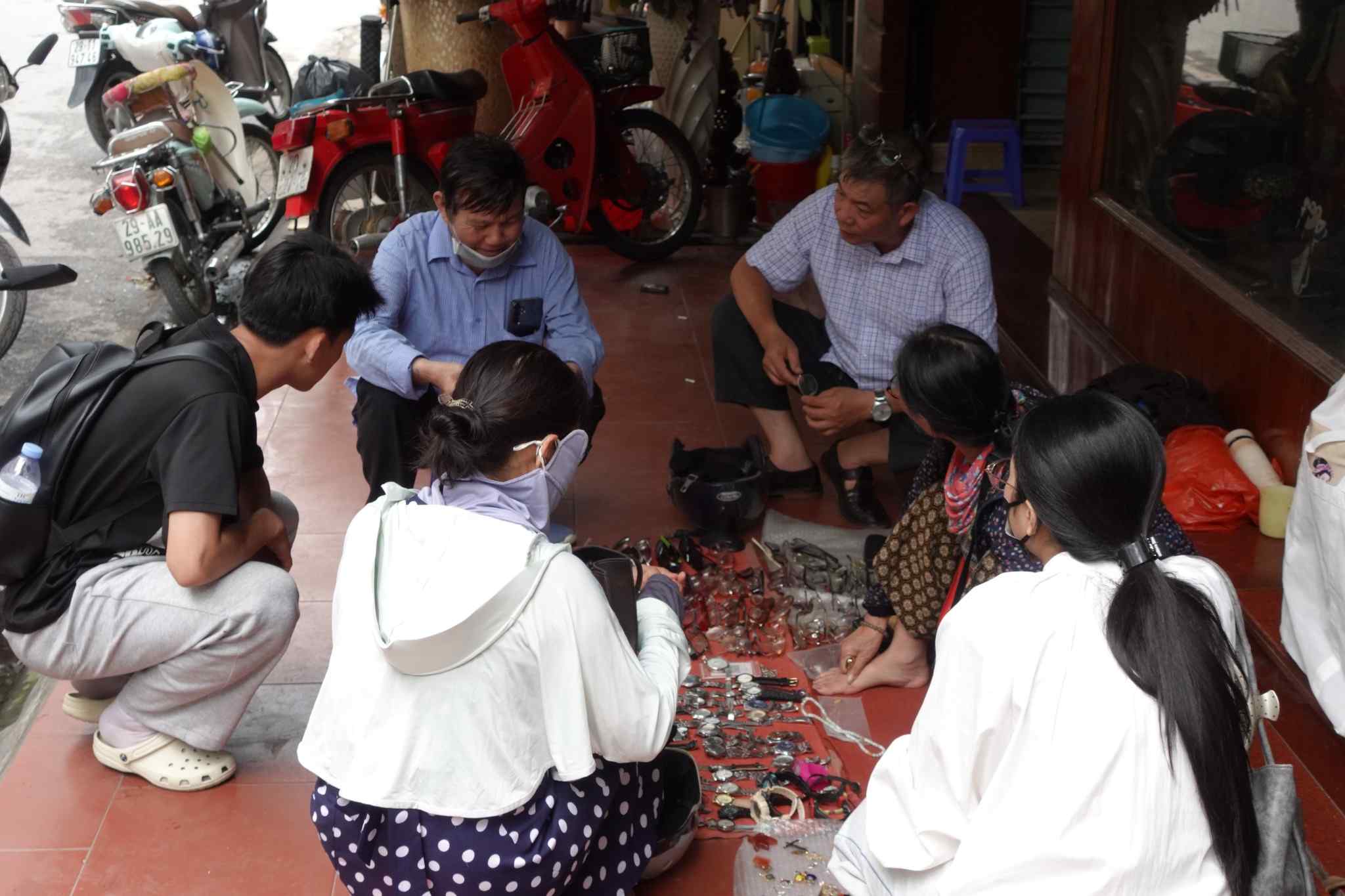
Ms. Tuyet, a small trader selling second-hand goods at Van Phuc market, said: "Many young people now don't necessarily lack money to buy used goods. They like novelty, like hunting for unique goods and are also quite influenced by social networks.
The popularity of second-hand goods shows that the consumption trend of young people is clearly changing. In the context of increasing financial pressure, choosing items with reasonable prices is seen by many as a reasonable solution to balance spending. Not only because of the price factor, second-hand goods also attract young people thanks to their diversity, personalization and experience in finding items with their own imprints at a reasonable cost.


