
Innovation in management, upgrading market infrastructure
Vinh Long currently has 401 markets, of which 335 markets have been announced for classification and classification. This system includes 7 grade I markets, 41 grade II markets and 287 grade III markets.
According to the Vinh Long Provincial Department of Industry and Trade, there are still 66 markets that do not meet the conditions for ranking and classification. This is a group of markets that needs to be further reviewed and appropriately invested to improve the quality of service for people.
In 2025, the province invested in upgrading and renovating 14 markets with a total capital of about 9.716 billion VND. However, in this year, no cases of changing the new market management model have arisen.
At the same time, the Provincial Market Management Model Conversion Board continued to manage and exploit 56 markets that had switched to enterprise and cooperative management models, creating more basis for innovating operating methods.
Stepping into 2026, the province continues to set a goal to transform the management, business and exploitation model for 20 markets. After conversion, businesses or cooperatives will participate in management through auctions.
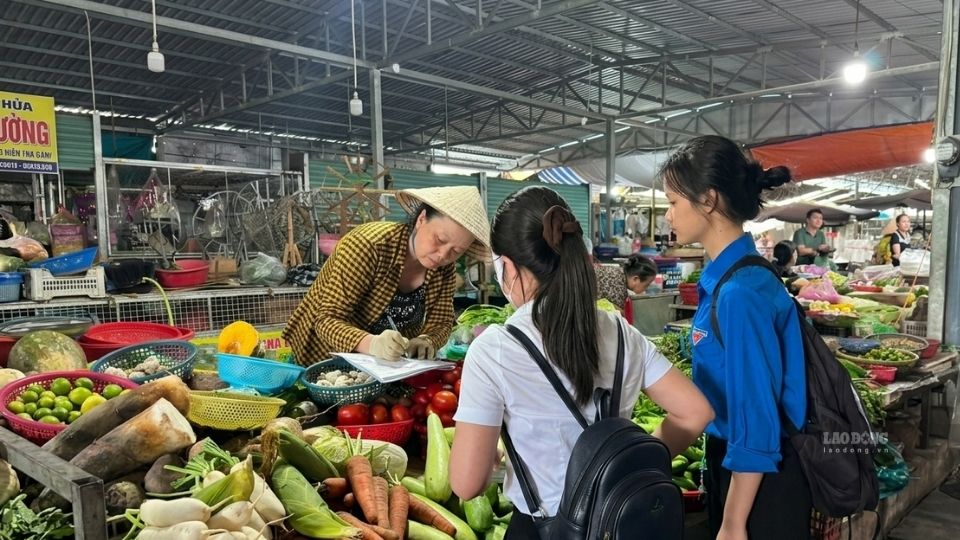
The conversion is expected to help traditional markets improve management efficiency, mobilize social resources to invest, repair and upgrade infrastructure, and improve the business environment.
Along with innovating management models, eligible markets will gradually implement the "4.0 Market Model - Cashless Payment", supporting small traders to connect to banks, e-wallets and QR codes.
This is also a direction to help trading activities at traditional markets adapt to changes in consumption habits, especially when e-commerce and modern retail channels are increasingly developing.
Digital payment, towards a modern market system
According to the plan, by 2030, Vinh Long aims for 100% of grade I and grade II markets to implement cashless payments. This is one of the key contents of the traditional market modernization process.
In addition to digital payment, eligible markets are also supported with application of information technology in management, connecting small traders with banks, e-wallets and using QR codes in transactions.
The application of QR codes not only facilitates payment but also aims to trace the origin of goods, contributing to improving transparency and creating more trust for consumers when shopping at the market.

The province's targets to 2030 also include upgrading and renovating more than 250 markets; building 9 new markets, expanding 2 markets and attracting investment in 17 markets, including 7 wholesale markets.
These goals are implemented according to the province's market development plan and planning, aiming to form a market network that better meets the needs of buying and selling, goods circulation and serving people's livelihoods.
Mr. Pham Phuoc Trai - Deputy Director of Vinh Long Department of Industry and Trade - said that the Industry and Trade sector encourages economic sectors to participate in investing, building, renovating and developing markets according to the approved plan.
According to Mr. Trai, the province is also promoting digital transformation, applying information technology to non-cash management and payment, thereby helping small traders adapt to modern business trends.
The combination of infrastructure investment, management innovation and digital transformation is expected to help traditional markets improve their competitiveness, maintain their role in the distribution system and better meet the needs of the people.


