
Complex developments on key routes
According to the summary report for the period from October 15, 2025 to March 15, 2026, the situation of smuggling, trade fraud and counterfeit goods tends to increase sharply, especially on sea routes and land borders. Although increased consumer demand puts great pressure on control, thanks to the proactiveness of functional forces, "hot spots" causing loss of control have not yet arisen.
The main violations focus on trading and transporting prohibited goods and misdeclaring customs regulations to evade taxes. Violating goods are very diverse, from high-profit items such as drugs, firecrackers, foreign liquor, cigarettes to essential items such as confectionery, functional foods and agricultural and aquatic products of unknown origin.
Notably, the sea route continues to be the "hottest" area, accounting for 55.8% of the total number of detected cases (equivalent to 4,956 cases). Violations are concentrated in major seaports under the management of Sub-Departments of Customs Region II, III, XII... with sophisticated tricks such as intellectual property infringement, false declaration of legal status and goods labels.
Sophisticated tricks in cyberspace and airspace
In 5 peak months, the entire Customs sector has presided over and coordinated to handle a total of 8,879 violations. The value of violating goods is estimated at 8,041 billion VND. Of which, there are 83 cases with criminal signs (accounting for 0.93%). The Customs authority has directly prosecuted 10 cases, transferred information to propose prosecution of 55 cases and is continuing to verify 18 other cases.
Regarding administrative violations, customs declaration errors accounted for the highest proportion with 5,660 cases (63.7%), followed by time violations with 2,058 cases (23.2%). On the road route, functional forces also arrested 2,569 cases, mainly at the Vietnam-China and Vietnam-Cambodia border routes, where subjects often take advantage of the border residents policy to mix smuggled goods into the inland.
A new point emerging during the Binh Ngo Tet holiday is the situation of taking advantage of e-commerce. Subjects have maximized the use of platforms such as Shopee, Lazada, Sendo and social networks Facebook, TikTok, Zalo to trade in counterfeit and poor quality goods. Combined with postal and express delivery services, smuggled goods are brought to consumers in a sophisticated way, causing great difficulties for traceability.
On air and postal routes, the value of violated goods is estimated at nearly 700 billion VND. The most alarming is the situation of transporting drugs from Thailand, Taiwan, India to Vietnam and going to markets such as Australia, New Zealand. Drugs are often hidden in cosmetic bottles, coffee boxes to get past scanners. In addition, due to the difference in gold prices, the situation of illegal transportation of gold bars exceeding norms by air is also very tense.
The results of drug prevention and control during the Binh Ngo Tet holiday are also a noteworthy highlight. The Customs Department has coordinated with the Police, Border Guard and Coast Guard to detect and arrest 85 cases with 140 subjects.
The total seized exhibits amounted to 605.6 kg of various types of drugs, including: 33.8 kg of marijuana; 49.8 kg of heroin; 15.5 kg of cocaine; 51 kg of ketamine; 279.2 kg of synthetic drugs; 176 kg of other types of drugs; along with thousands of synthetic drug pills and "happy water" bags. This is proof of the sophistication and determination of the soldiers on the front against "white death".
Key tasks after Binh Ngo Tet
It is forecast that from now until the end of 2026, the economy will still face many challenges, creating loopholes for smuggling activities. The Customs Department has identified key tasks:
Decisively implement guiding documents: Strictly implement the plans of the Government and the National Steering Committee 389, not to be passive in the face of new smuggling methods.
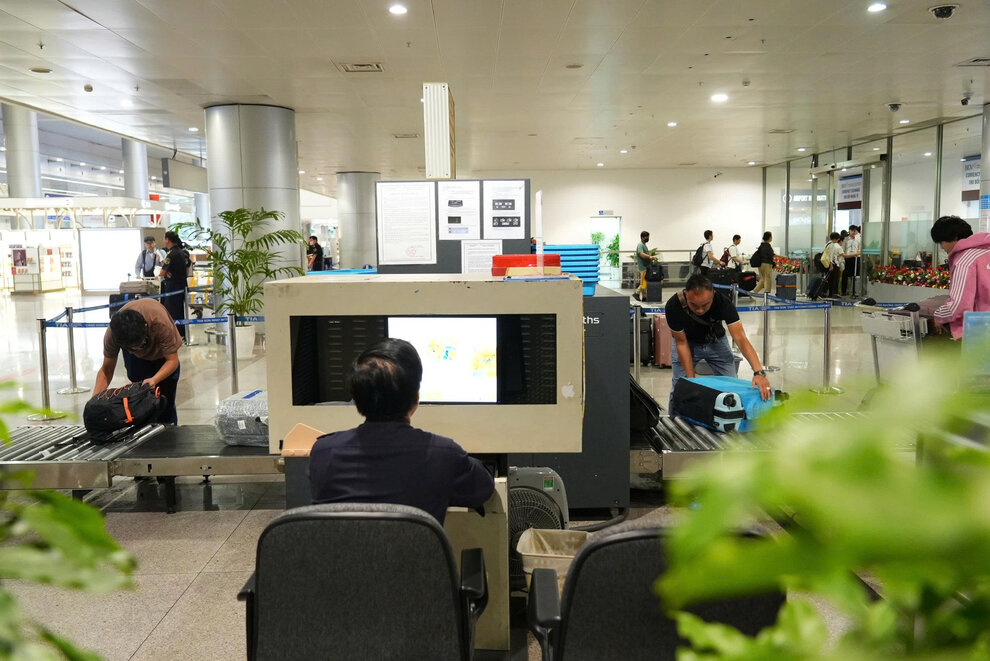
Applying modern technology: Increasing the use of container scanners, electronic seals, surveillance cameras and rapid drug detection equipment at border gates and international airports.
Strictly control high-risk types: Focus on processed goods, export production, temporary import for re-export and bonded warehouse goods.
Promote inter-sectoral coordination: Regularly exchange information with the Police, Border Guard and international organizations to fight across borders.
By clearly defining the responsibilities of each unit and strengthening legal dissemination to businesses and people, the Customs sector sets a goal to maintain a transparent and healthy market, making an important contribution to macroeconomic stability of the country in 2026.


