
New driving force in the 20262030 period
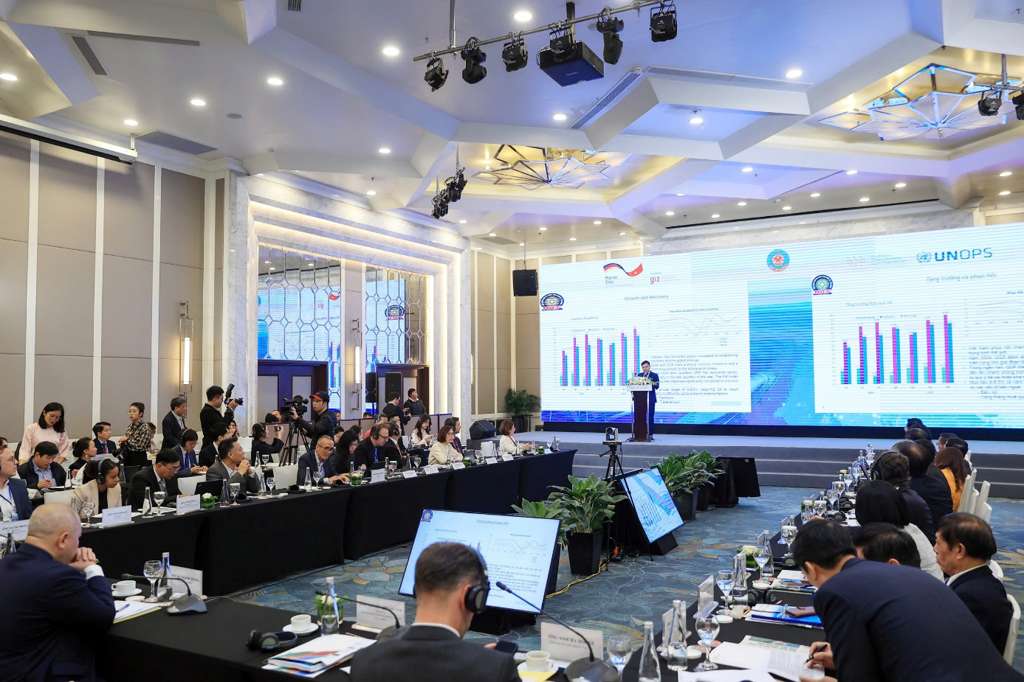
On December 5, in Hanoi, the Ministry of Finance, in coordination with the German International Cooperation Organization (GIZ) and the United Nations Office for Project Services (UNOPS), organized the Vietnam Economic - Financial Forum 2025 with the theme "Vetnam's positioning in the new context and strategic vision for the 2026 - 2030 period".
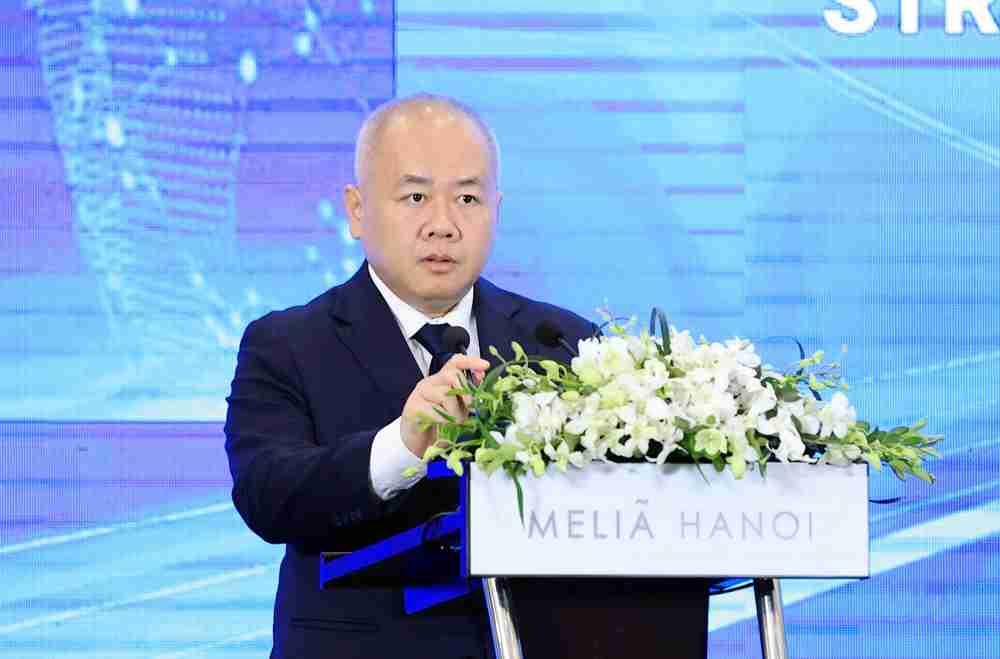
In his opening speech, Deputy Minister of Finance Do Thanh Trung emphasized that Vietnam is entering a new stage of development with many strategic goals in the context of strong international fluctuations. Since April 2025, tariff tensions, geopolitical conflicts and escalating security instability have made the global environment more unpredictable, directly affecting Vietnam's economy.
Vietnam aims to become a developing country with modern industry and high average income by 2030; by 2045, it will become a developed country with high income. This requires repositioning the economy in the new context, promoting growth model innovation and expanding development space towards sustainability.
According to Deputy Minister Do Thanh Trung, the new growth model requires strong resonance between economic sectors. The State plays a role in creating and leading through strategic infrastructure development and establishing a transparent legal framework; the private economic sector is a driving force for creativity, spreading innovation, leading the fields of digital economy, high-quality processing industry and services. FDI must become a selective additional resource, associated with the transfer of new-generation technology and international standards such as ESG.
He emphasized that Vietnam needs to effectively exploit new growth space from regions, localities and growth poles, promoting the leading role of dynamic regions to create greater momentum for the economy in the coming period.
Step towards economic development quality
Mr. Nguyen Nhu Quynh - Director of the Institute of Economic and Financial Strategy and Policy - said that the 2026-2030 period is not only a continuation of time but a step towards development quality. He stated: "We have a strong foundation for recovery after the pandemic, with impressive trade growth, but to "accelerate", we are forced to " adapt" to the new geopolitical context and "transform" strongly in the economic space structure as well as administrative institutions".
According to Mr. Quynh, the motivations that have helped Vietnam recover strongly in recent times include: High political determination, stable agricultural growth, recovery of industry thanks to exports, and the breakthrough of services with double-digit growth. The stable macro environment, low inflation and interest rates, recovering consumption and expanding investment create an important balance.
However, structural challenges remain: Productivity is still low compared to the region, growth relies heavily on resource expansion, rapid population aging and bottlenecks in policy implementation - from infrastructure, institutions to human resources. He emphasized that to achieve double-digit growth in the coming period, the entire sector of the economy must create a leap forward, from small-scale industries to industry and services.
Pressures Vietnam faces
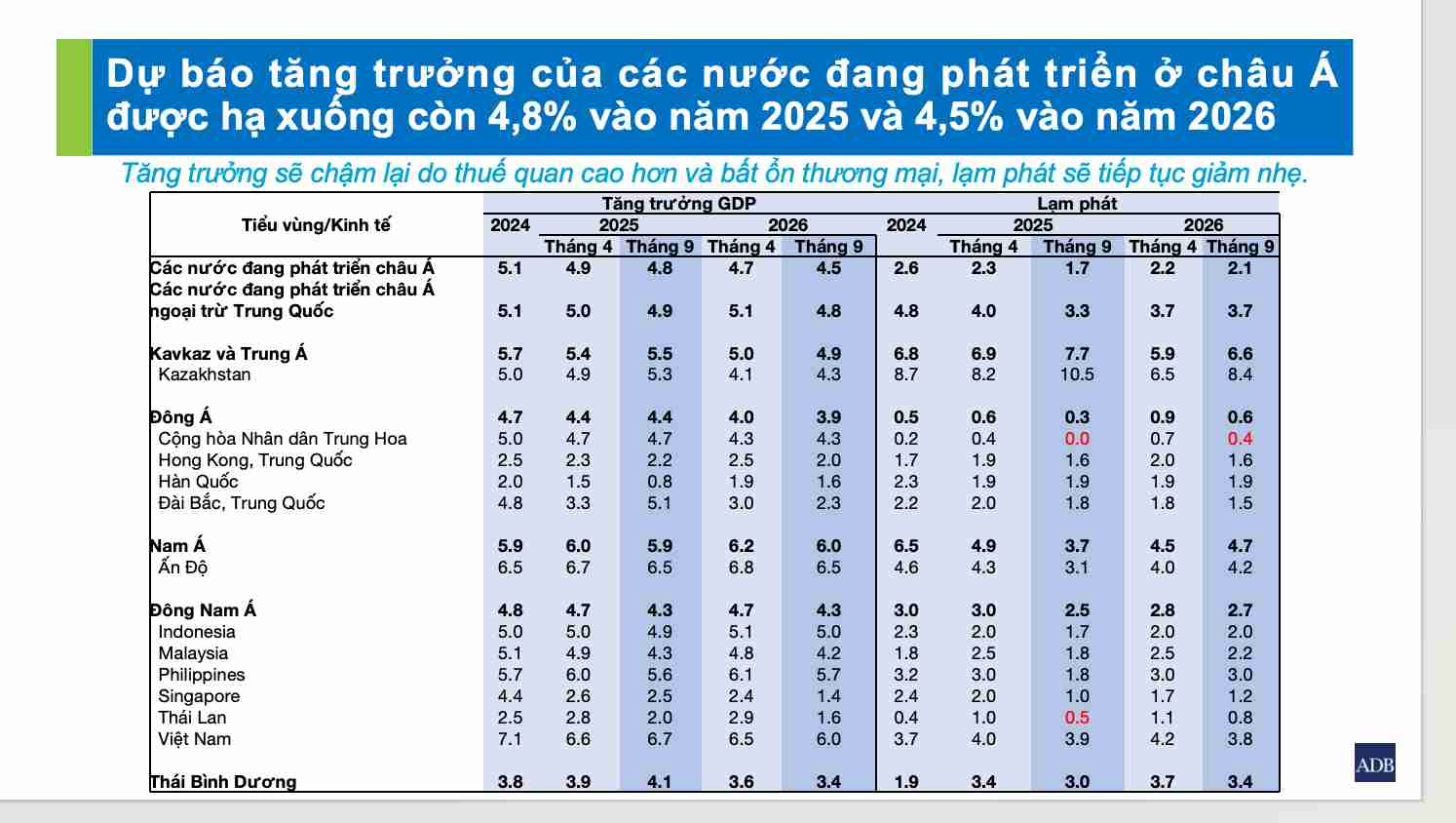
Mr. Nguyen Ba Hung - chief economist of the Asian Development Bank (ADB) - said that ADB has just adjusted the GDP growth forecast of developing countries in Asia down to 4.8% in 2025 and 4.5% in 2026. In the context of the general slowdown trend, Vietnam is one of the few economies that maintains a high growth rate, leading Southeast Asia.
Mr. Jochen Schmittmann, Permanent Representative of the International Monetary Fund (IMF) in Vietnam, Laos and Cambodia, assessed that Vietnam is maintaining impressive resilience to global fluctuations: growth in the first 9 months of the year reached 7.85%; investment and consumption recovered strongly; exports increased by more than 18% over the same period.
However, according to Mr. Schmittmann, Vietnam faces two long-term structural pressures: growth tends to slow down as income increases and the advantage of the golden population decreases. The growth rate of the working-age population is slowing down and soon becoming a growth obstacle, making productivity improvement a key factor.
Regarding policy recommendations, the IMF recommends that Vietnam maintain a cautious medium-term fiscal framework; use fiscal space for investment and social security when necessary; closely monitor inflation risks in the context of little room for monetary policy easing. The IMF representative also emphasized the need to modernize the monetary policy framework, develop capital markets, increase banking capital cushioning and prepare carefully for risk scenarios.
According to Dr. Schmittmann, with determination to reform and consistent strategic orientation, Vietnam can completely maintain strong growth in the medium term. He commented: "The biggest driver of growth in the coming years will depend on the ability to implement reforms and take advantage of restructuring opportunities in the new context".


