
Effectiveness after 2 years of implementation
On December 23, the Department of Agriculture and Environment (DONRE) held a conference to review the Project "Sustainable development of one million hectares of high-quality and low-emission rice cultivation associated with green growth in the Mekong Delta by 2030" (abbreviated as the Project) for the period 2024-2025 and the plan 2026-2030 in Can Tho City.

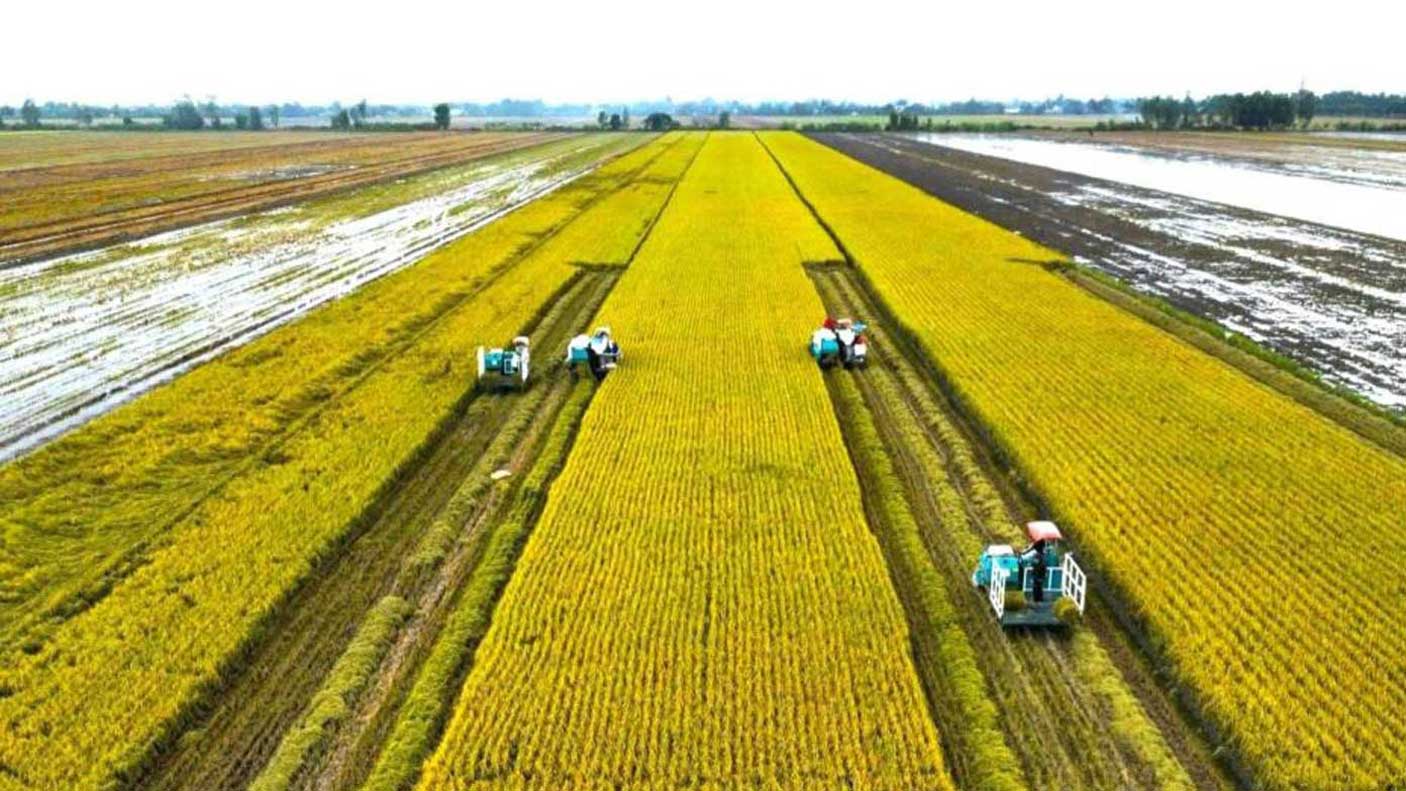
According to the Department of Crop Production and Plant Protection (Department of Agriculture and Rural Development of Can Tho City) in 2025, the area for the City's Project implementation is 104,500 hectares. In the first phase, the city has piloted according to the Project criteria in the area with 12 models at cooperatives and cooperative groups (Cooperatives, THT) producing rice with many positive results.
In particular, rice productivity in the model is 0.3-0.7 tons/ha higher than that of traditional farmers. The total production cost in the model decreased by an average of about 1.1 million VND/ha. The profit of the model is 1.3 - 6.5 million VND/ha higher than the counterpart. In particular, the model reduces by 2-12 tons of CO2/ha.
Mr. Vo Van Thanh - Deputy Director of Hung Loi Cooperative (Dai Ngai Commune, Can Tho City) - said that after 2 years of implementing the model, both productivity and income of farmers have improved significantly.
The average yield in the model is 6.3-6.5 tons/ha, the selling price is VND 8,800-10,800/kg, the income is VND 68-70.2 million/ha. Average profit of VND47 million/ha (equivalent to 67% of income), VND4-5 million/ha higher for fields outside the harvest model at the same time, due to reduced input costs such as seeds, fertilizers, pesticides and irrigation.
Accelerating mechanical investment
With the results after 2 years of implementation, Mr. Thanh shared that the cooperative plans to replicate the model in the next crop. However, one of the difficulties of the people today is collecting straw after each harvest, especially during stormy weather.
"We have applied mechanical engineering to many stages of the production process. However, to ensure that straw is taken out of the fields, especially in the Summer-Autumn crop, the Cooperative hopes to have a policy to support straw rolling machines so that this activity is more effective, meeting the Project's goals," said Mr. Thanh.
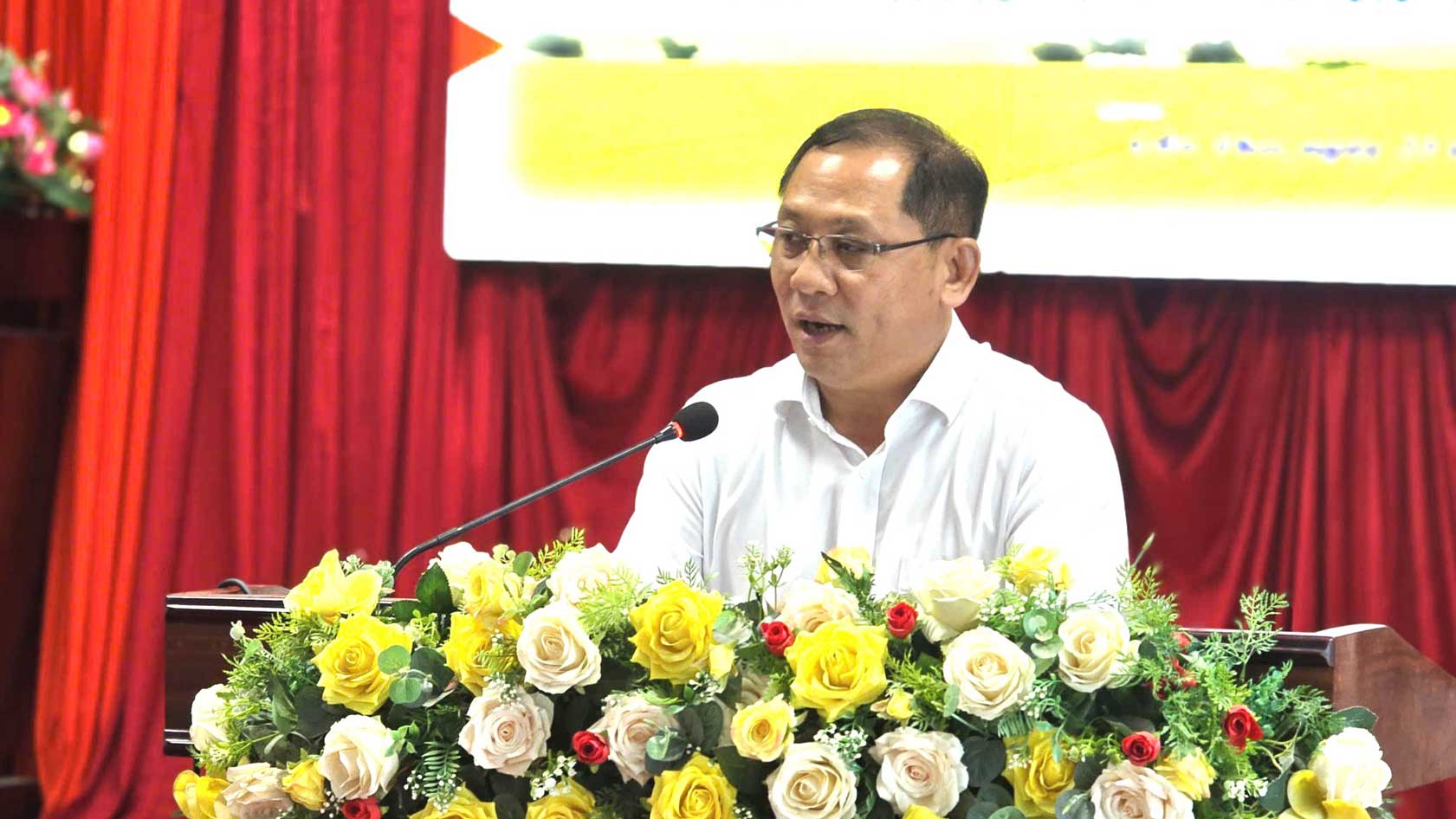
Speaking at the conference, Vice Chairman of Can Tho City People's Committee Tran Chi Hung - informed that currently, organizations and individuals providing mechanical services in production such as sowing machines, fertilizer sprayers, straw coilers, etc. are still limited and cannot meet production needs.
To successfully achieve the target for the period of 2026 - 2030, the Vice Chairman of the People's Committee of Can Tho City requested the agricultural sector to continue to coordinate with central agencies, units, departments, branches and People's Committees of communes and wards to complete the project "Supporting infrastructure and techniques for high-quality, low-emission rice in the Mekong Delta" to borrow capital from the World Bank (WB). In particular, it is necessary to pay attention to determining the investment roadmap in each area to meet the requirements in a complete and synchronous manner according to the motto "where the central government invests, the locality invests".
According to the plan, by 2030, Can Tho City will have nearly 171,000 hectares of rice fields participating in the Project. In the period of 2026 - 2030, the agricultural sector will survey the growing areas and map plots in the areas participating in the Project. At the same time, build a digital database at each cooperative and farmer to serve as a basis for implementing the following contents; Mobilize investment resources to improve the quality of regional infrastructure to implement the Project.


