
Accelerating the construction of growing area codes
According to statistics from the Customs Department, in the first 10 months of 2025, Vietnam's total durian export turnover was over 3.3 billion USD, up 10.4% over the same period last year. This is considered a new milestone to help durian regain its position as the "king of fruit", at the same time, creating an exciting mentality for farmers when entering the new crop.
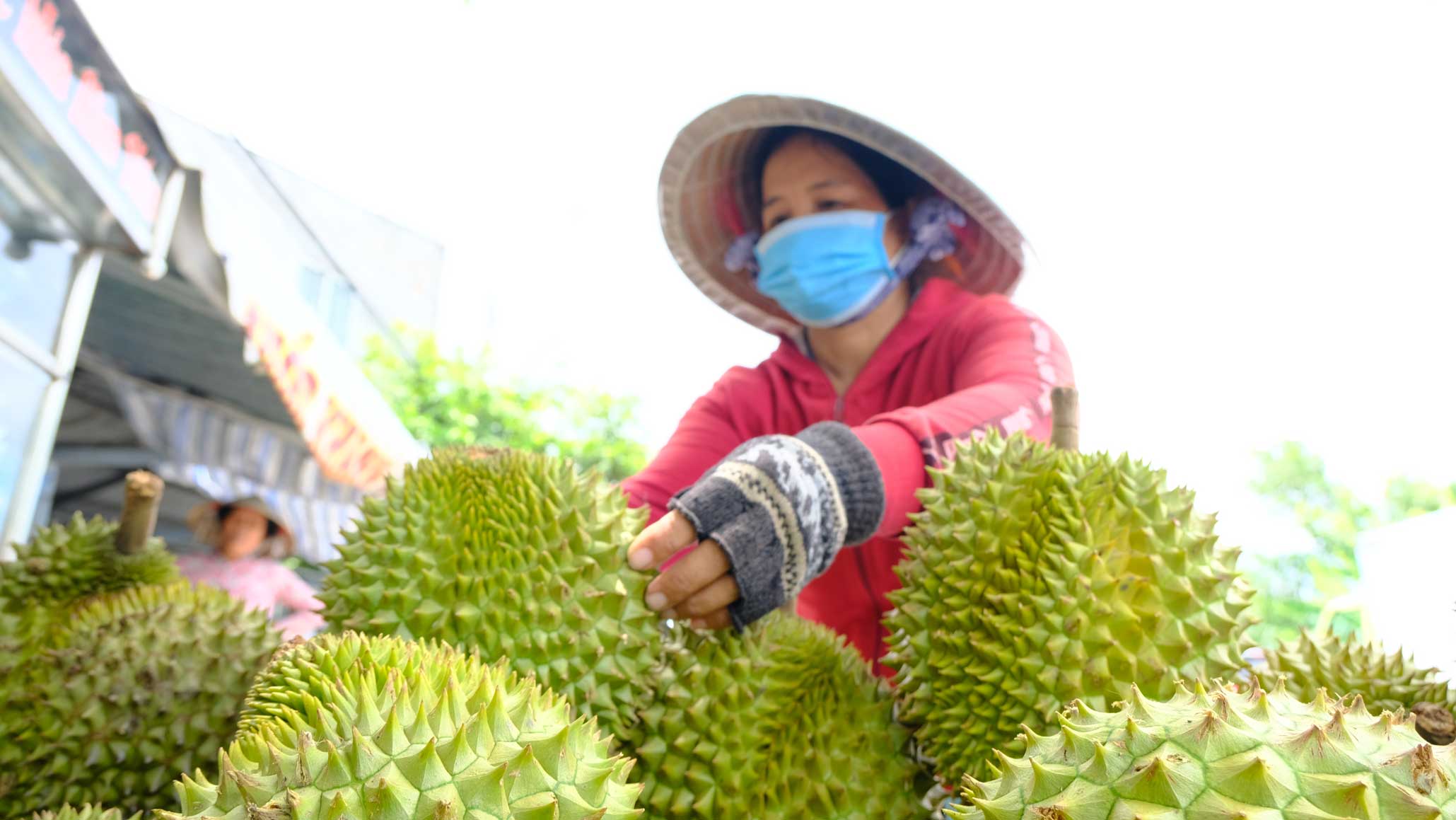
Mr. Nguyen Dac Hung - Director of the Fruit Production Cooperative of Nhon Tho 1A Hamlet (Can Tho City) - shared: "The recent crop, the durian growers were very worried, the price dropped but finding an output was very difficult, sometimes it seemed like a lack of steam. But now, exports are recovering strongly, everyone is excited, having more motivation to invest in the new crop".
This farmer also understands that, in order not to repeat the situation of "losing prices in the crop season" or being forced to pay prices by traders, building a growing area code (MSVT) is the only way. This code is likened to a "green passport", helping durian go far and get even.
At Truong Khuong A Fruit Garden Cooperative, the standardization of the farming process is being accelerated under the guidance of the local agricultural sector.
Mr. Tran Van Chien - Director of the cooperative - said that thanks to the support of the locality in safe farming techniques and administrative procedures, people are making every effort to meet strict standards. It is expected that by 2026, the durian area of the cooperative will be granted MSVT.
"This will be a big turning point, helping people's durian have a clear name and address on the export map, no longer having to worry about unstable output like before," said Mr. Chien.
Tighten quality control
After the merger, Can Tho currently has about 13,000 hectares of durian production area, ranking 3rd among the city's main fruit trees, after jackfruit and banana. Of these, over 500 growing area codes (MSVT) have been issued, with a total area of over 9,300 hectares.
Ms. Pham Thi Minh Hieu - Head of the Department of Crop Production and Plant Protection (Department of Agriculture and Environment of Can Tho City) - said that the quality of durian in the area is not really stable. In addition to farmers who do well, there are also some conversion of crop structure from rice and other fruit trees to durian, so they do not yet understand the technical process and fertilizer management. This affects the yield and quality of harvested durian.
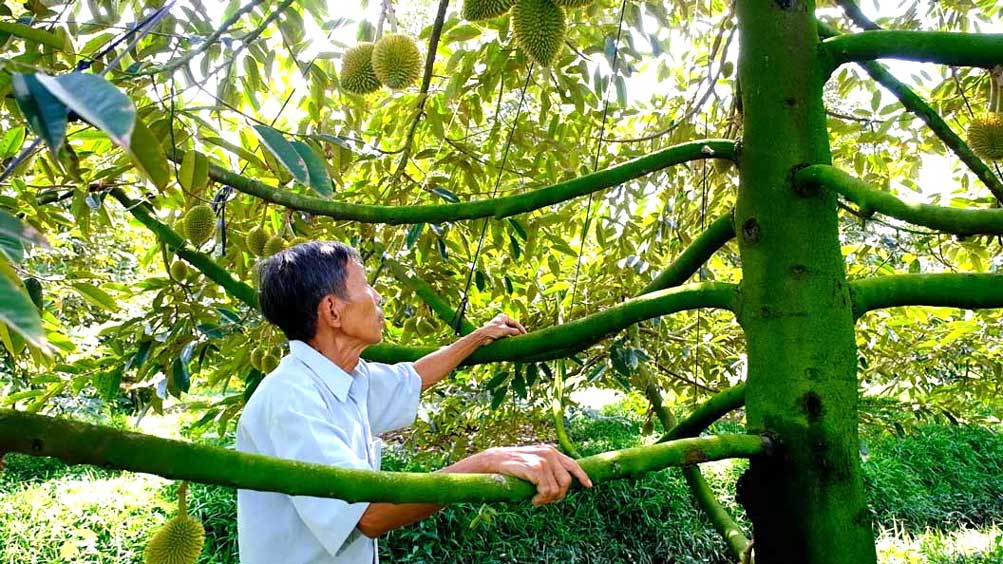
The city's agricultural sector has focused on supporting people in the production process as well as building MSVT that meets export conditions standards. "Up to now, we have found that farmers are increasingly interested in MSVT and durian quality, and they have even proactively made requests to the management industry for technical support or related issues. This is a positive signal, different from before, the industry must mobilize people to participate, Ms. Hieu informed.
In the coming time, the city's agricultural sector will continue to inform farmers about the requirements for export standards of the international market. Thereby, promptly guiding the production process, helping durian meet the requirements of food safety and plant quarantine.
The Ministry of Agriculture and Environment has just issued a pilot plan to trace the origin of durian towards transparency in the supply chain. Accordingly, the pilot phase will be implemented from January 1, 2026 to June 30, 2026, focusing on building and operating a unified durian traceability system, connecting from the production, purchasing, preliminary processing, packaging to transportation and distribution stages. The system allows real-time data recording, tracing product information through QR codes or other electronic authentication technologies, directly attached to each durian fruit or shipment.


