
Switching from traditional management to technology application
Located on the Kunming - Lao Cai - Hanoi - Hai Phong economic corridor, Kim Thanh Road International Border Gate No. II has the advantage of connecting by road, rail and key traffic routes.
This is a condition for localities to develop border gate economy, logistics, goods transshipment and import-export services.
Therefore, the shift from traditional management to applying technology and automation is identified as a direction to improve the competitiveness of border gates.
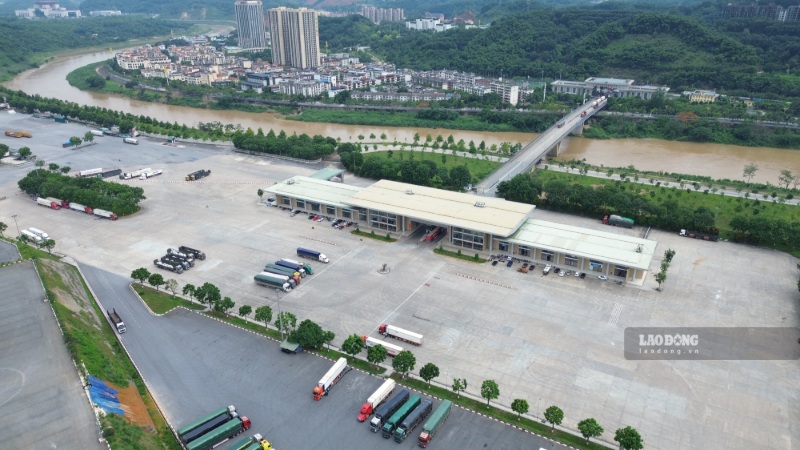
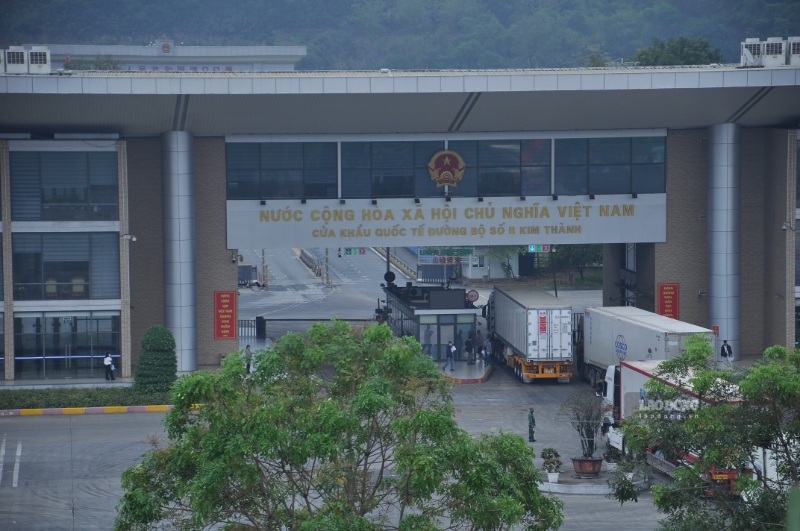
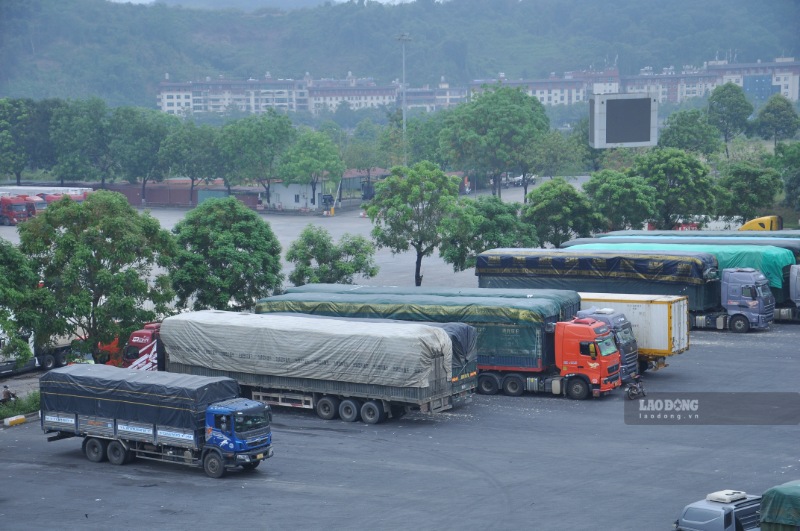
Recorded by reporters on August 8 at Kim Thanh Road International Border Gate No. II, import and export activities are taking place actively.
Vehicles carrying import and export goods move through the border gate, while functional forces perform inspection and control.
This reality shows that effectively organizing stages and regulating vehicles is important in limiting congestion and shortening customs clearance time.
At the Lao Cai Provincial Investment Promotion Conference in 2026, the Chairman of the Provincial People's Committee awarded the Decision approving the investment policy, and at the same time approved Viettel Post Corporation (Viettel Post) as the project investor.
The project has an area of 7.87ha in lots HT1, HT2, HT3 and HT4 belonging to Road International Border Gate Zone No. II Kim Thanh, Lao Cai ward, with a total investment of more than 860 billion VND.
The project will build an operating house, scanning area, transshipment area, warehouse and quarantine yard, gathering and monitoring area for import and export goods, express delivery center, auxiliary service area and technical infrastructure system.
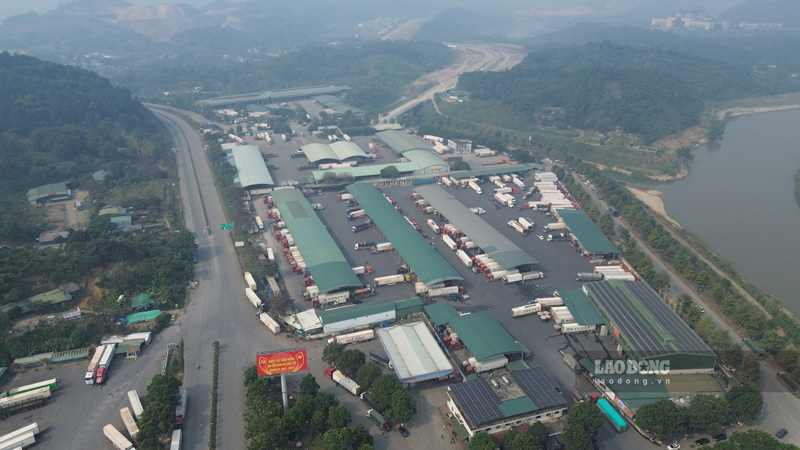
Infrastructure is designed to connect with road, rail, highway networks and logistics hubs. The project is expected to apply artificial intelligence (AI), Internet of Things (IoT), smart management systems and IGV automated transportation.
The project is implemented from the second quarter of 2026 to the fourth quarter of 2032, divided into 3 phases. Some items are expected to be put into operation from the second quarter of 2027.
Previously, on March 18, 2026, the Prime Minister issued Decision No. 453 approving the Project on building smart border gates at Kim Thanh road bridge customs clearance and Ban Vuoc customs clearance.
Use of automatic means of transport (IGV)
According to the Lao Cai Provincial Economic Zone Management Board, besides infrastructure investment, completing the legal corridor for automatic transport vehicles (IGV) is an important requirement.
IGV is a driverless vehicle, operating automatically to transport goods. Bringing this vehicle into the border gate area is related to requirements on inspection, licensing, technical safety, environmental protection, customs management and border control.
Currently, the Ministry of National Defense is studying the process of managing, inspecting, and supervising IGV.
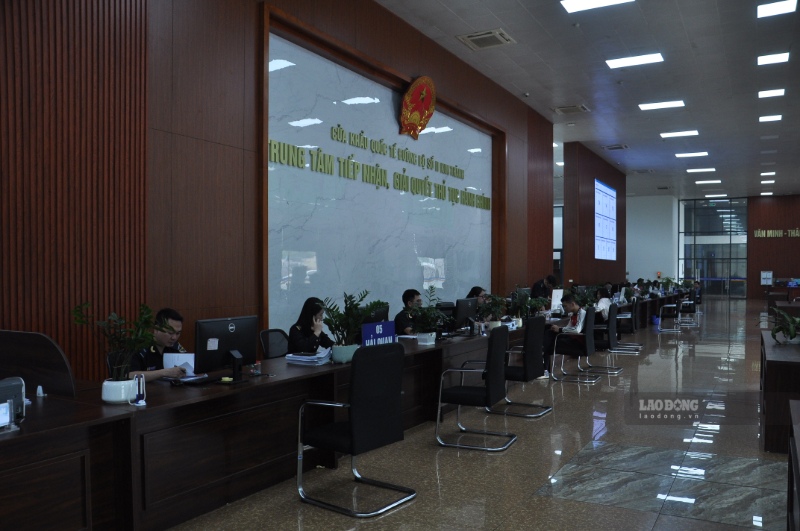
The Customs Department under the Ministry of Finance is completing the draft regulations on inspection, supervision and customs management of goods and vehicles in the Vietnam - China smart border gate area.
The Ministry of Construction has also issued a roadmap for developing criteria and temporary technical regulations for piloting, monitoring actual operation, and then completing national technical standards for IGV.
According to leaders of Lao Cai Provincial People's Committee, smart border gates are not only about infrastructure investment but also towards changing the management and operation methods of import and export activities towards digitization and automation.
When deployed synchronously, the model is expected to improve customs clearance capacity, reduce logistics time and costs, promote cross-border trade, and create motivation to attract investment in logistics, trade and services.
Through this, Lao Cai is gradually promoting its gateway advantages for trade, aiming to become a growth pole and an economic connection center between Vietnam, ASEAN countries and the Southwest China region.


