
Notes on electronic invoices for business households with revenue under 1 billion VND
Business households with revenue below 1 billion VND/year are not required to use electronic invoices according to current regulations. However, when selling goods or providing services, sellers still have to make invoices and deliver them to buyers according to the provisions of Decree 123/2020/ND-CP.
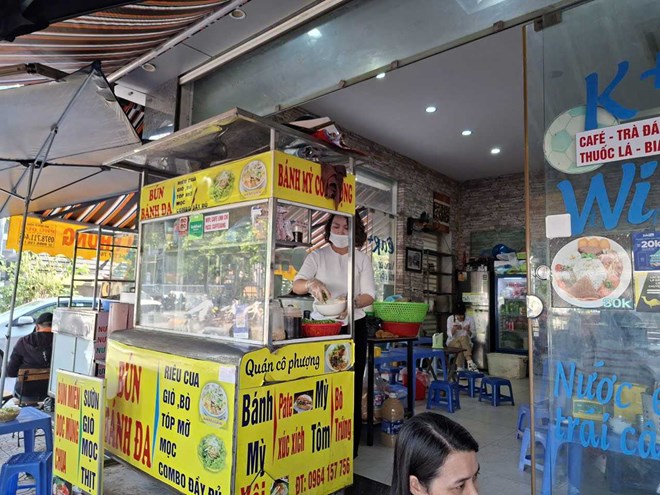
According to regulations, business households paying taxes by contract method with revenue from 1 billion VND/year or more and operating in some fields of retail, food and beverage, services... are required to use electronic invoices generated from cash registers with data connection with tax authorities.
For business households with revenue below 1 billion VND/year, the law does not require the application of electronic invoices. However, if conditions are met and there is a need, business households can still register to use electronic invoices with codes from tax authorities or electronic invoices created from cash registers as prescribed. See more...
Cheap durian arrives in Ho Chi Minh City, purchasing power increases sharply
Gia Lai temporarily suspends receiving small-scale pig farming projects
Gia Lai Provincial People's Committee decided to temporarily suspend the receipt of new proposal dossiers for small-scale pig farming projects that are not in line with the province's livestock development orientation from May 10, 2026 until further notice. The review is to ensure compliance with planning, local actual conditions and no additional procedures outside regulations arise.
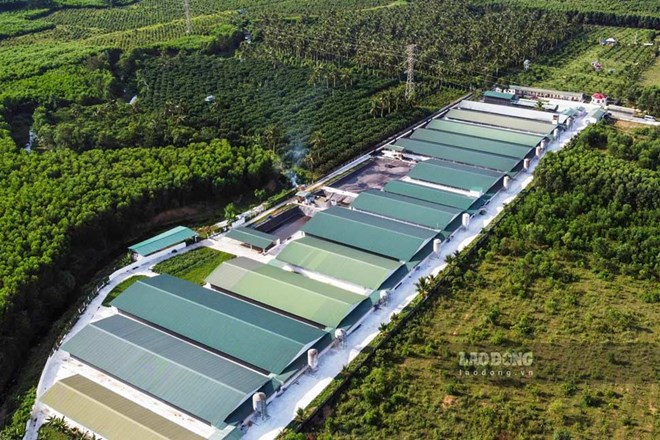
Gia Lai province assigned the Department of Finance and the Department of Agriculture and Environment to be responsible for advising and appraising projects related to animal husbandry, environment, herd density, water sources, safe distance and level of conformity with the development orientation of the livestock industry. Projects that do not meet the conditions or are not suitable will be proposed for clear handling.
For projects that have been approved for investment, the province requests to check the implementation progress, forcing investors to commit to shortening the implementation time but still ensuring quality, environment and disease safety. Projects that are slow to implement, have incorrect content or do not meet the conditions to continue will be considered for handling and recovery according to regulations. See more...


