
On May 25, information from the Department of Agriculture and Environment of Lam Dong province said that the whole province currently has about 10,600ha of mulberry, an average increase of 6.7% per year.
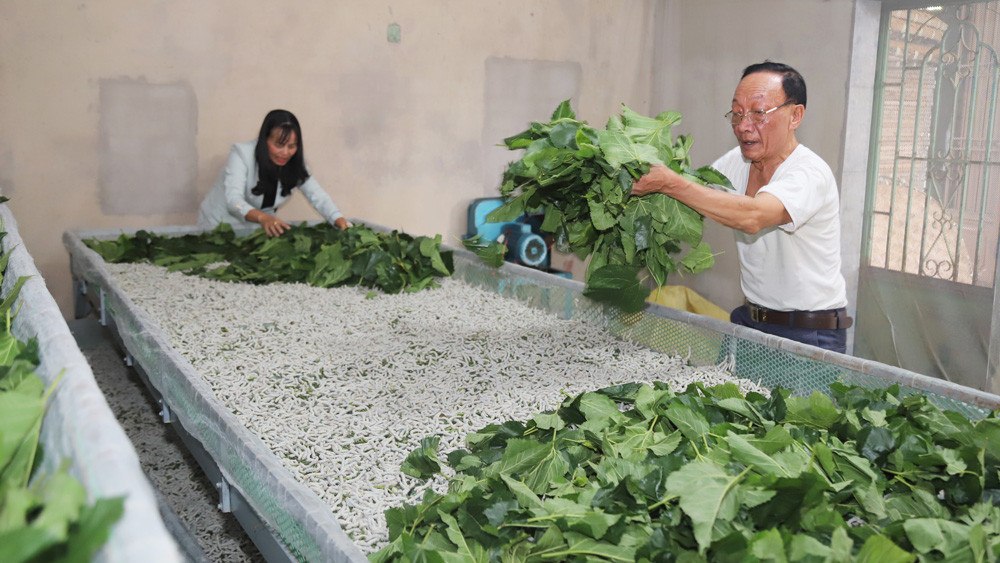
In which, the area of hybrid mulberry and new varieties reached more than 8,200ha, accounting for over 77%; the area of high-tech application reached more than 2,000ha with about 17,000 households participating in production. Silk cocoon production reached more than 15,456 tons/year.
Mulberry growing and silkworm farming are considered suitable for people's production conditions. Because people can take advantage of riverside land and inefficient cultivated land for conversion.
Compared to many other crops, this model has low investment costs, fast capital recovery time, contributing to creating jobs and increasing income.
Not only developing raw material areas, many households and businesses also invest in modern silk incubators to improve the value of the silkworm industry.
In Dak Mang village, Dam Rong 3 commune, Ms. Vu Thi Tuy invested more than 21 billion VND to build a silk nursery factory of about 2,400m2 with an automatic silk cart system, boiler, cocoon cooking machine and synchronous technical items.
According to Ms. Tuy, the factory consumes about 1.5 - 1.6 tons of silkworm cocoons per day, mainly purchased from local people and neighboring areas.
The facility currently creates regular jobs for about 130 workers, mostly ethnic minorities, with an income of 8 - 9 million VND/person/month.
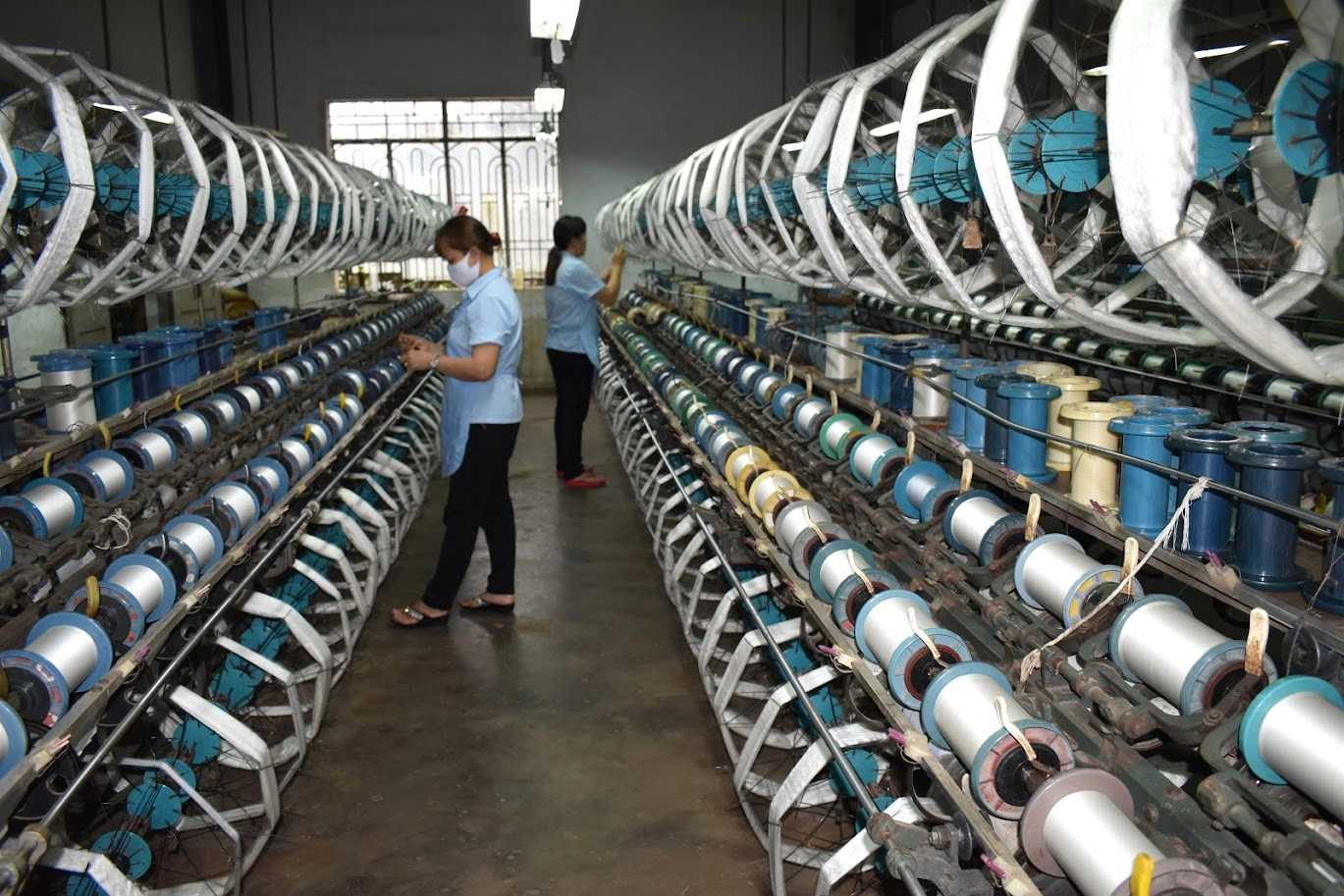
Each year, the factory produces more than 36 tons of silk, corresponding to the demand of nearly 300 tons of raw material cocoons. To ensure stable supply, the facility has linked with cooperative groups, cooperatives and purchasing agents to form a sustainable raw material area.
Mr. Pham Phi Long - Head of the Sub-Department of Livestock and Veterinary Medicine of Lam Dong province said that currently the whole province has about 78 concentrated silkworm pup breeding facilities and 36 silk seedling facilities with modern production lines concentrated in areas such as Bao Loc, Lam Ha and Da Teh.
Production - consumption linkage helps improve the quality of silk cocoons and silk and create stable output for people.

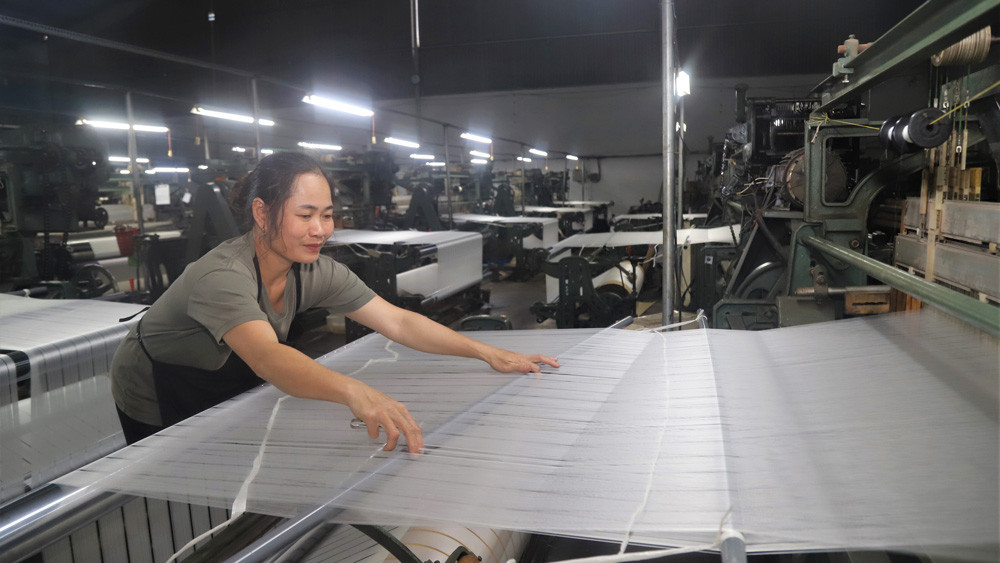
Lam Dong province currently has about 30 businesses and factories operating in the fields of silk carts and silk weaving.
Most of these large-scale facilities and silk factories are concentrated in Bao Loc - a place known as the "silk capital of Vietnam".
However, the silkworm industry still faces many difficulties such as a lack of high-quality egg seed sources, limited mechanization and great dependence on weather conditions.
For sustainable development, by 2030, Lam Dong aims to increase the mulberry growing area to about 12,000ha; and at the same time expand specialized farming areas, strengthen the application of science and technology and complete a synchronous production chain from seeds to product consumption.


