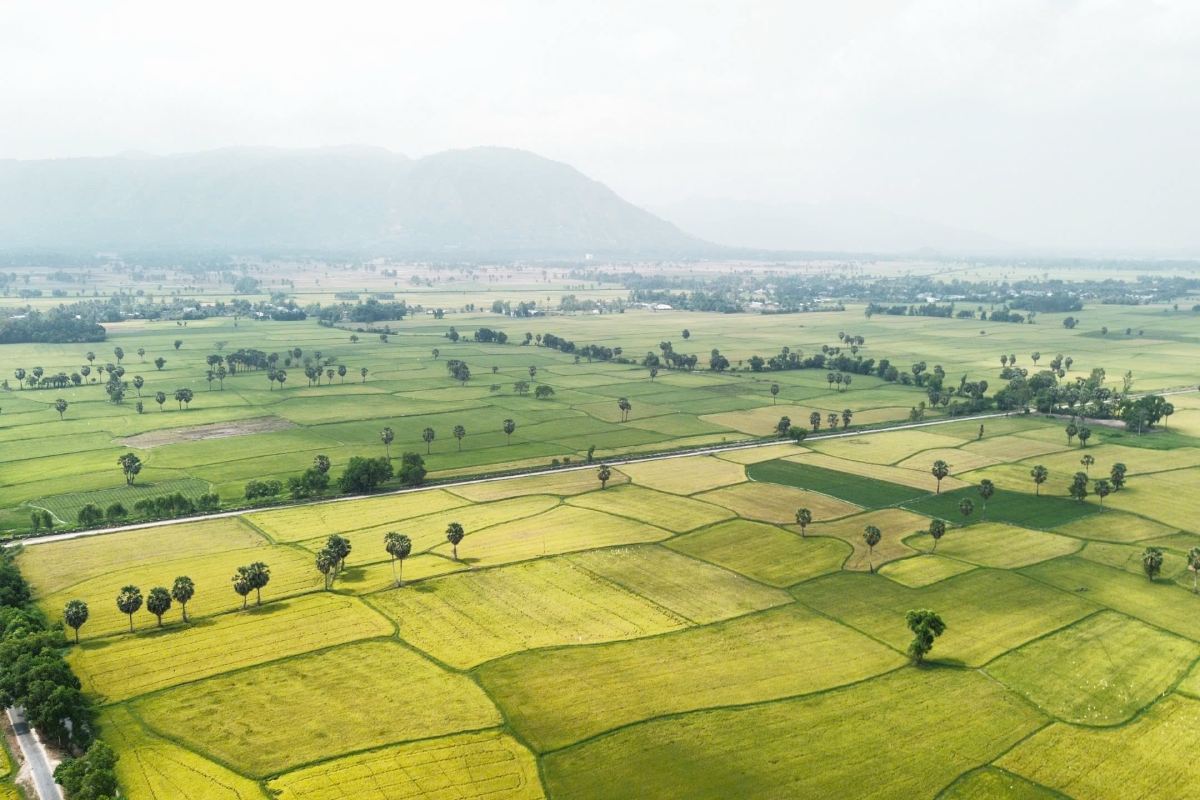
When the sun had not yet risen high, palmyra fields in the Bay Nui region (An Giang province) already had faint shadows of people starting a day of making a living. In places like Tri Ton, Tinh Bien - where many palmyra trees stretch out in the sun and wind of the border, people still quietly follow the profession of climbing trees to get honey, a job associated with many hardships but also feeding many families.
Wearing a small knife on his side, carrying a few plastic cans, Mr. Nguyen Thanh Tuan (50 years old, Tinh Bien) quickly climbed onto a palm tree tens of meters high as a habit that has followed him for decades. For him, each drop of honey is not only heaven's blessing but also a livelihood.
In the peak season, there are days when I earn more than 1 million VND from selling fresh palmyra palm juice and cooking sugar. This amount of money is enough for me to cover my life, raise my children to study and stick with my hometown amidst all the hardships," Mr. Tuan shared.
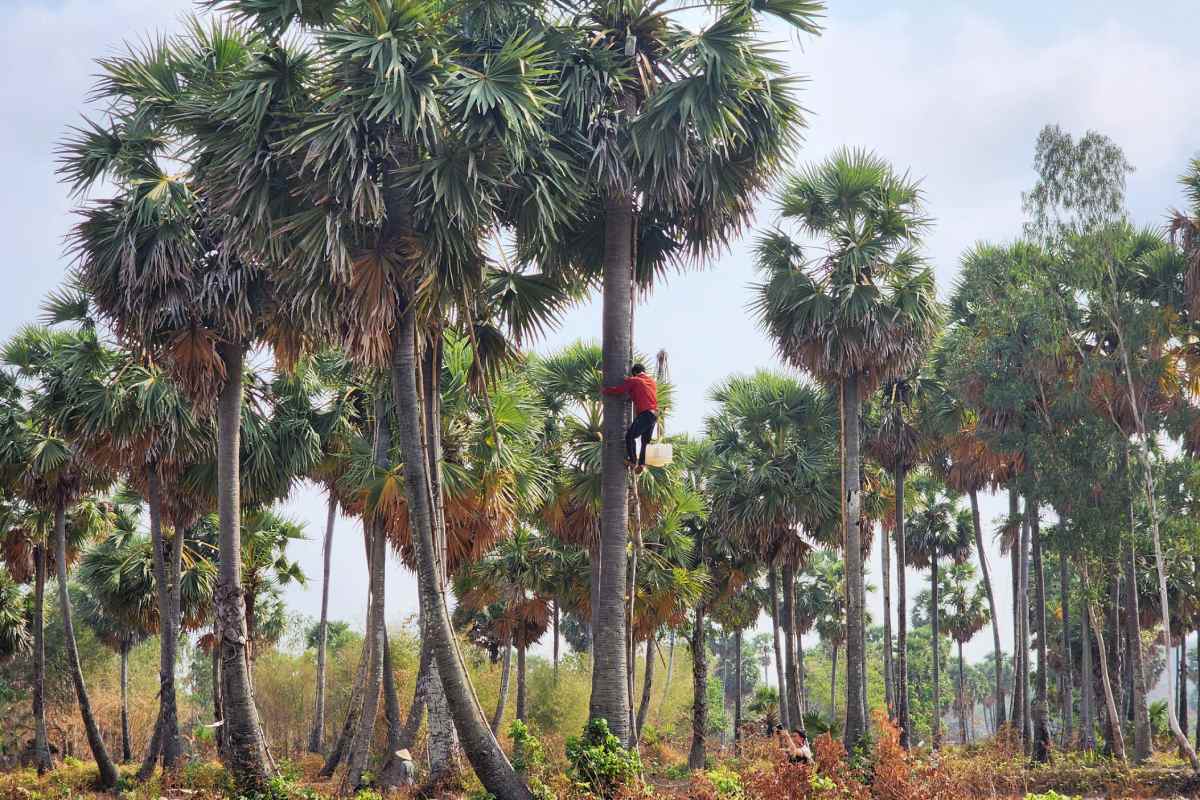
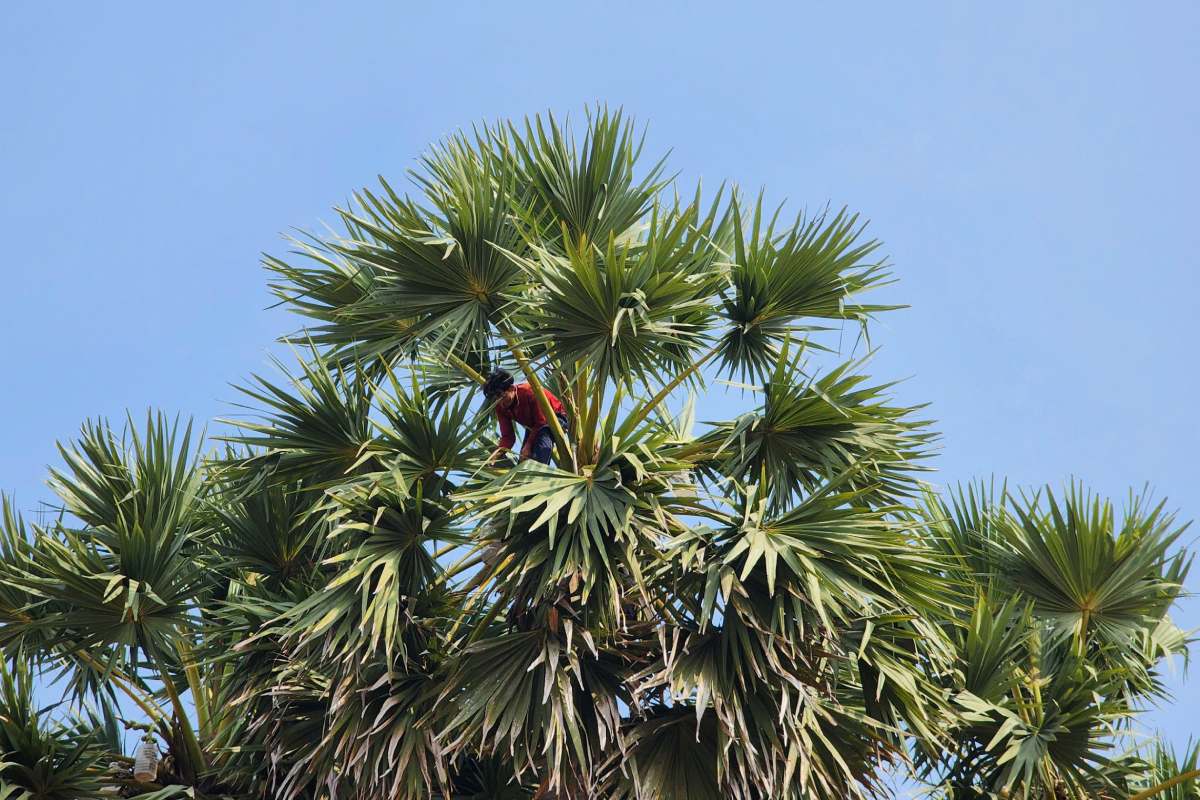
In the land considered the palmyra palm capital of An Giang, the honey harvesting profession has followed many generations. When the tree is about 15 years old and starts to bloom, the craftsman must climb to the top, cut the surface of the cotton to catch each stream of fresh water. Every day, they climb the tree twice in the early morning and late afternoon.
The tools are simply a bamboo ladder tied along the tree trunk, a small knife and experience accumulated over the years. No safety ropes, no support equipment, each climb requires health, flexibility and courage.
Mr. Nguyen Ba Tong (55 years old), who has been attached to the profession for more than 30 years, said that every sunny season, his family hires about 50 palm trees to get honey. "On lucky days, you can earn millions of dong, and normally a few hundred thousand. This profession is dangerous, but here many people still cling to it because they still support their families and take care of their children's education," Mr. Tong shared.
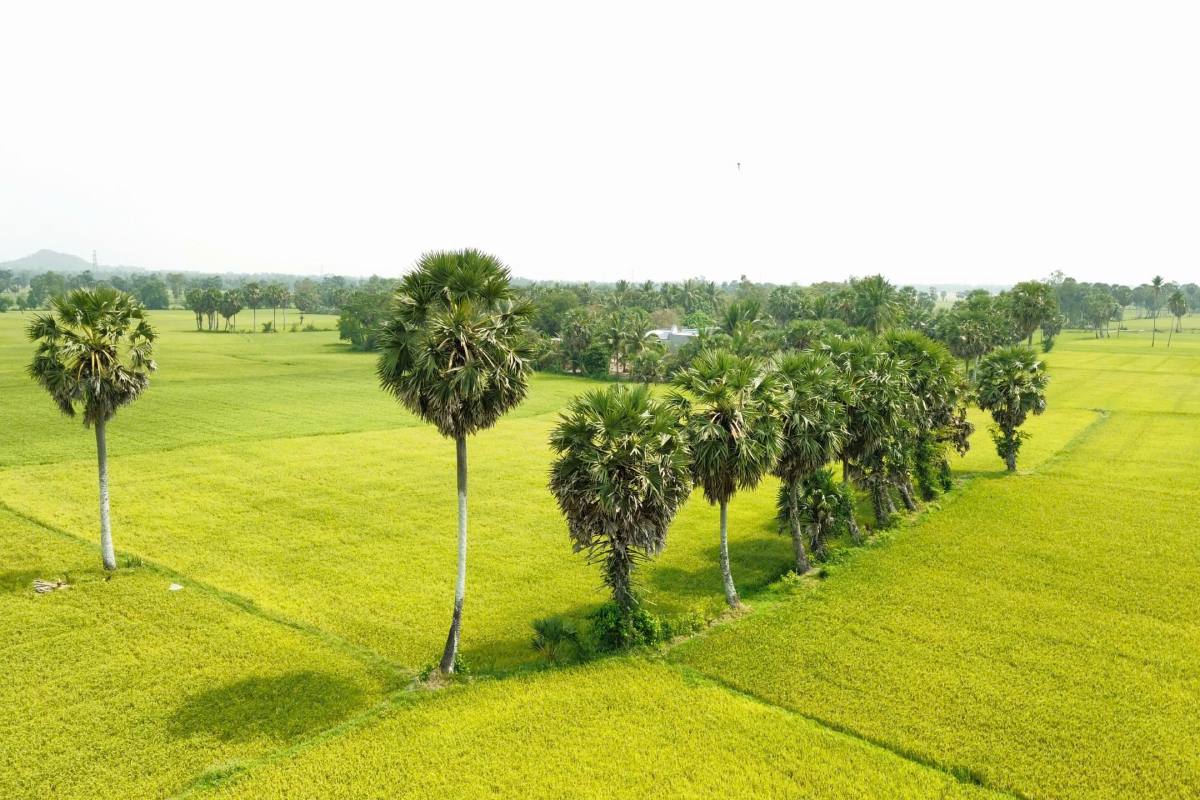
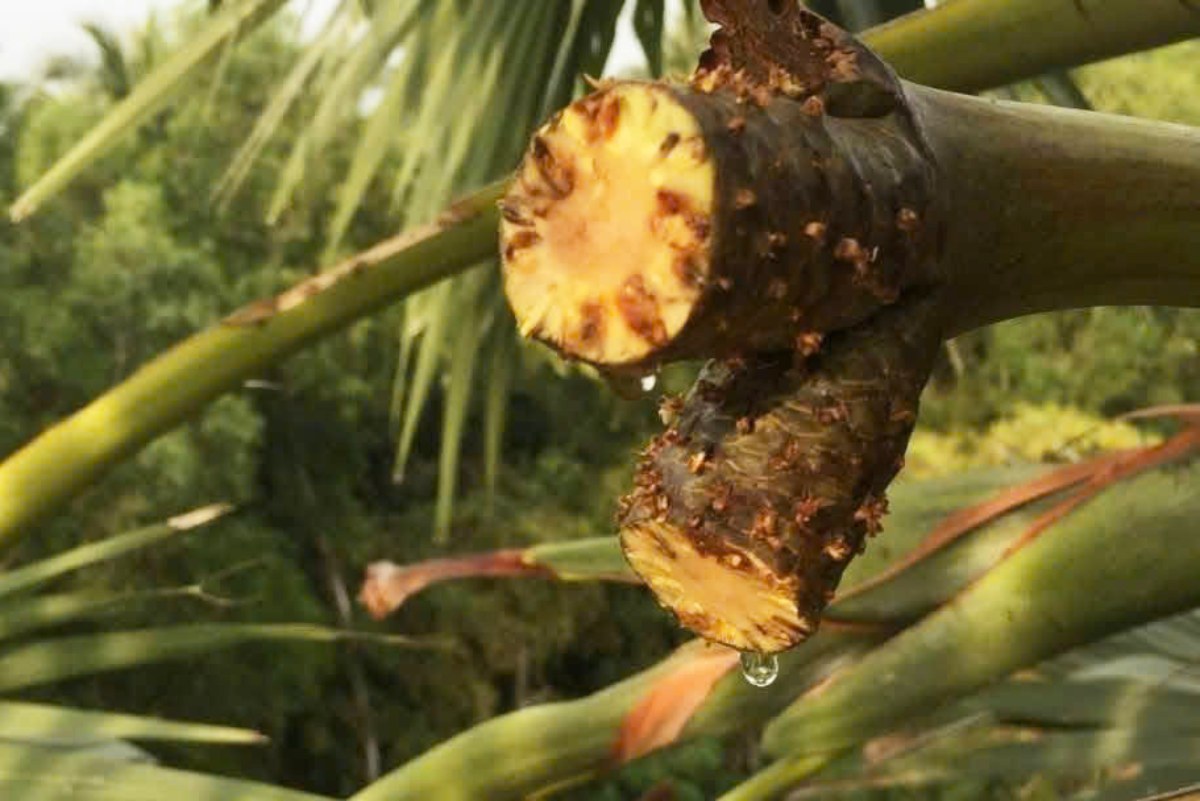
According to Mr. Tong, the dry season is the busiest time because honey is thick and sweet, sugar cooking yields higher than the rainy season. About 6 liters of water can cook 1kg of delicious sugar. Therefore, under the harsh sun of the border region, workers are still diligently "swinging" in the sky.
Many people here grew up with palm trees. From children following their parents to carry honey, they gradually learned to climb, cling to trees, get used to heights. But this profession has never been out of danger - a piece of rotten bamboo, a beehive, or just a moment of dizziness in the scorching sun can cost a lot.
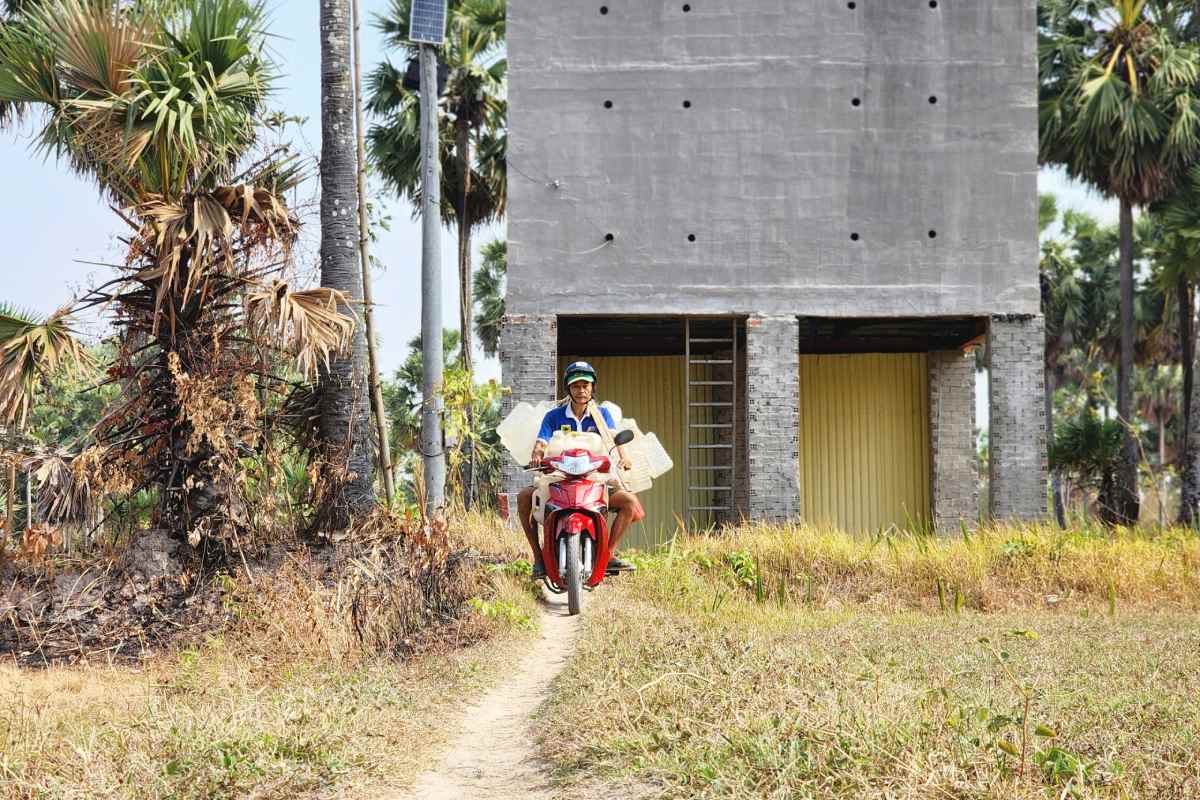
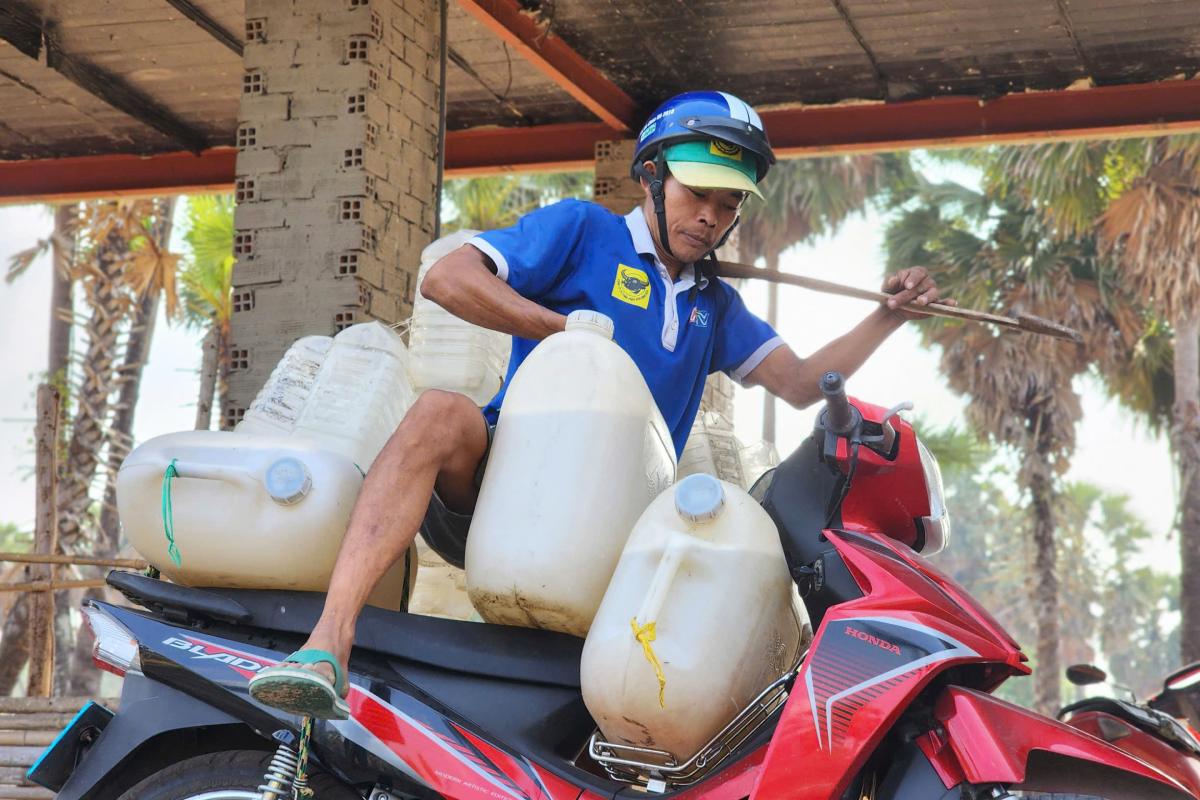
However, for many families in border areas who are still in difficulty, palmyra trees are still a precious source of livelihood. Not only giving fresh water and sweet sugar, the tree also creates many products such as beef cakes, sweet soup, jelly, jam... or OCOP products imbued with the flavor of An Giang, thereby contributing to preserving the traditional craft over the years.
But those who have been attached to the profession for a lifetime rarely expect their children to follow in their footsteps. Mr. Tuan looked far into the field, his voice trầm ngâm (pensive): “I do it for the sake of life. As for the children, I just hope they study properly, have a more stable profession. This job is very hard, if you slip, you can risk your life”.
In the sun and wind of Bay Nui, people still cling to palm trees every day, cherishing every drop of honey. It's not just about making a living, but also a story about perseverance, about love for the homeland and how people here preserve a traditional craft amidst many changes.