
Bamboo rice stove keeps the profession, keeps livelihoods
In Un Ta village, Coc San commune, the aroma of sticky rice mixed with the fresh bamboo fragrance spread from the red-hot kitchens. From early morning, many households were busy washing rice, splitting bamboo, and burning charcoal to prepare batches of bamboo rice for customers to deliver.
According to reporters' records, the bamboo rice making profession in Un Ta is no longer limited to household scale serving local needs but has become a profession that brings stable income.
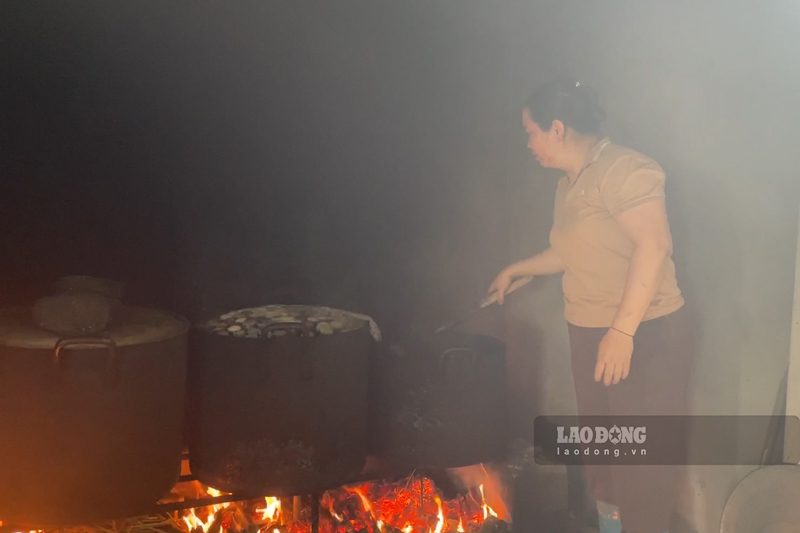
Many establishments boldly invest in chainsaws, steamers, and freezers to meet the increasing demand from many provinces and cities.
Mr. Hoang Van Hop, a long-time bamboo rice producer in Un Ta village, said that in the past, bamboo rice was just a familiar dish for people when going to the fields or on holidays and Tet.
When tourism develops, products are known to many tourists, market demand increases rapidly, and traditional crafts also have more opportunities to develop.
Currently, the whole village has about 40 households making bamboo rice. Mr. Hop's family alone produces 1,000-2,000 tubes per day, supplying to many localities such as Hanoi, Ho Chi Minh City, Da Lat or Son La. The income of local workers reaches about 6-8 million VND per month.
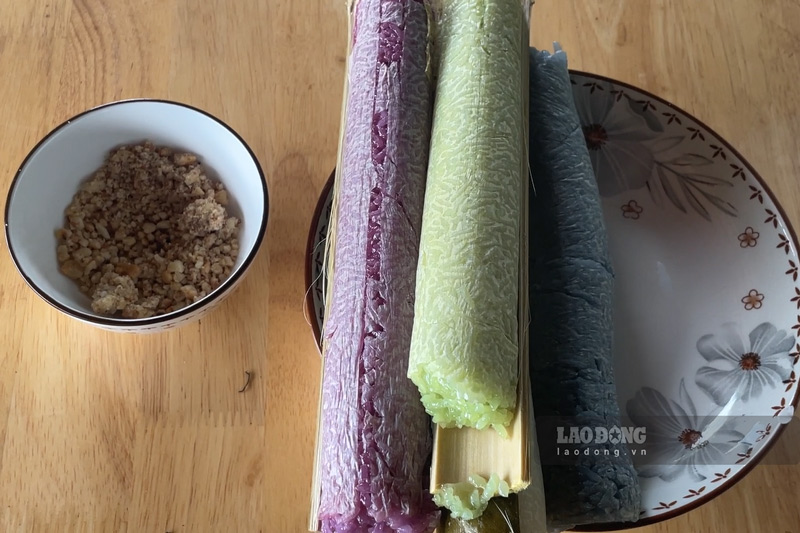
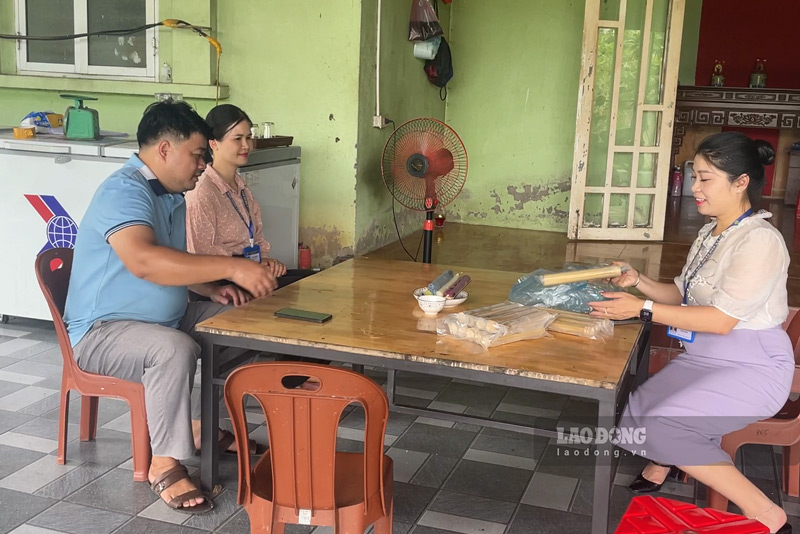
Talking to Lao Dong Newspaper, Ms. Truong Thi Van Anh - Head of the Culture Department of Coc San commune said that the bamboo rice making profession is one of the models that brings clear economic efficiency to the locality.
According to Ms. Van Anh, traditional crafts help take advantage of available raw materials, create jobs and create stable income for people in mountainous areas.
In the coming time, the locality will continue to build a brand, develop the bamboo rice making profession into a traditional craft village, and at the same time encourage production households to bring products to e-commerce platforms to expand consumption markets.
Jewelry village creates jobs year-round
Coming to Bao Ha commune, the atmosphere of joss paper production is also taking place urgently as market demand increases.
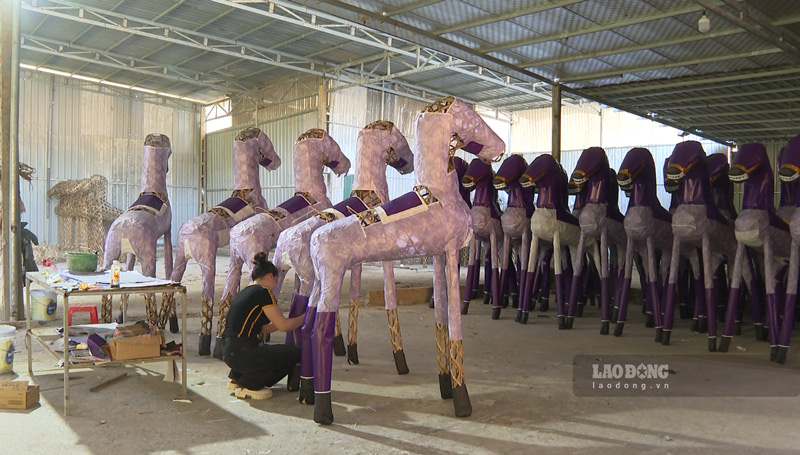
In small workshops and yards in front of houses, people diligently split bamboo, knit frames, cut paper, glue and complete each product. Most of the stages are done manually, requiring skill and meticulousness.
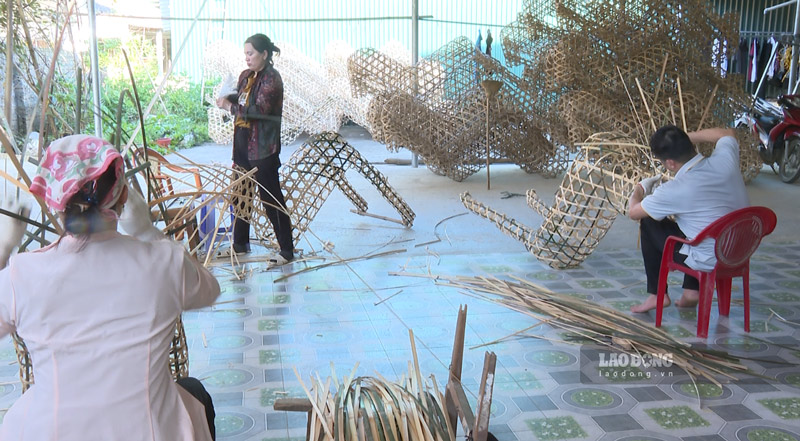
According to local people, the votive paper making profession has developed along with religious activities at Bao Ha Temple. From initial small-scale production households, many families have now linked up into cooperatives to stabilize output and expand production scale.
Ms. Pham Thi Mo, Director of Bao Ha General Production and Service Cooperative, said that the cooperative currently has nearly 30 members participating in production. The job is suitable for many subjects, from women, the elderly to idle farmers, helping people both work in the fields and take advantage of increasing income.

Mr. Nguyen Van Thang, Director of the General Service Center of Bao Ha commune, said that the advantage from the Bao Ha Temple spiritual tourist area has created conditions for the votive paper making profession to form and develop over many years.
The locality is implementing a plan to preserve and promote traditional crafts through cooperative models, creating conditions for artisans to pass on the craft to the younger generation.
At the same time, the commune orients to expand production scale, improve product quality and develop more handicrafts to serve life, gradually improving the economic value of the craft village.
From the bamboo rice stoves in Coc San to the votive paper workshops in Bao Ha, traditional craft villages not only contribute to preserving the unique culture of ethnic minorities but also open up sustainable livelihoods for people in the highlands.


