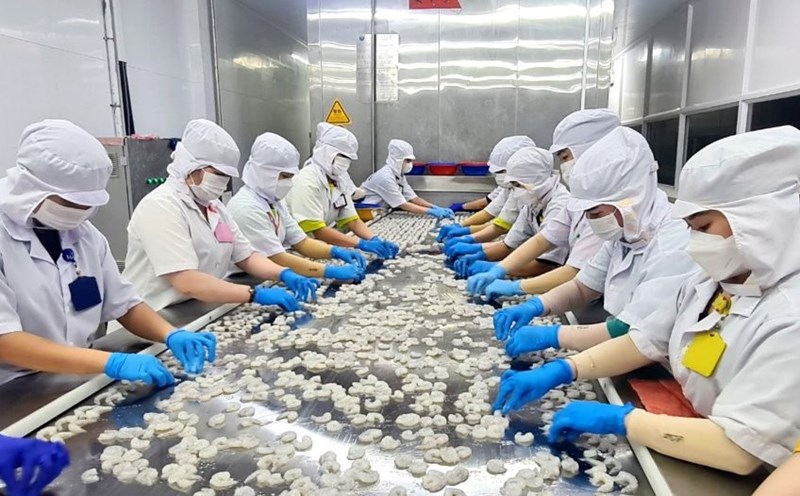
Shrimp industry faces new requirements
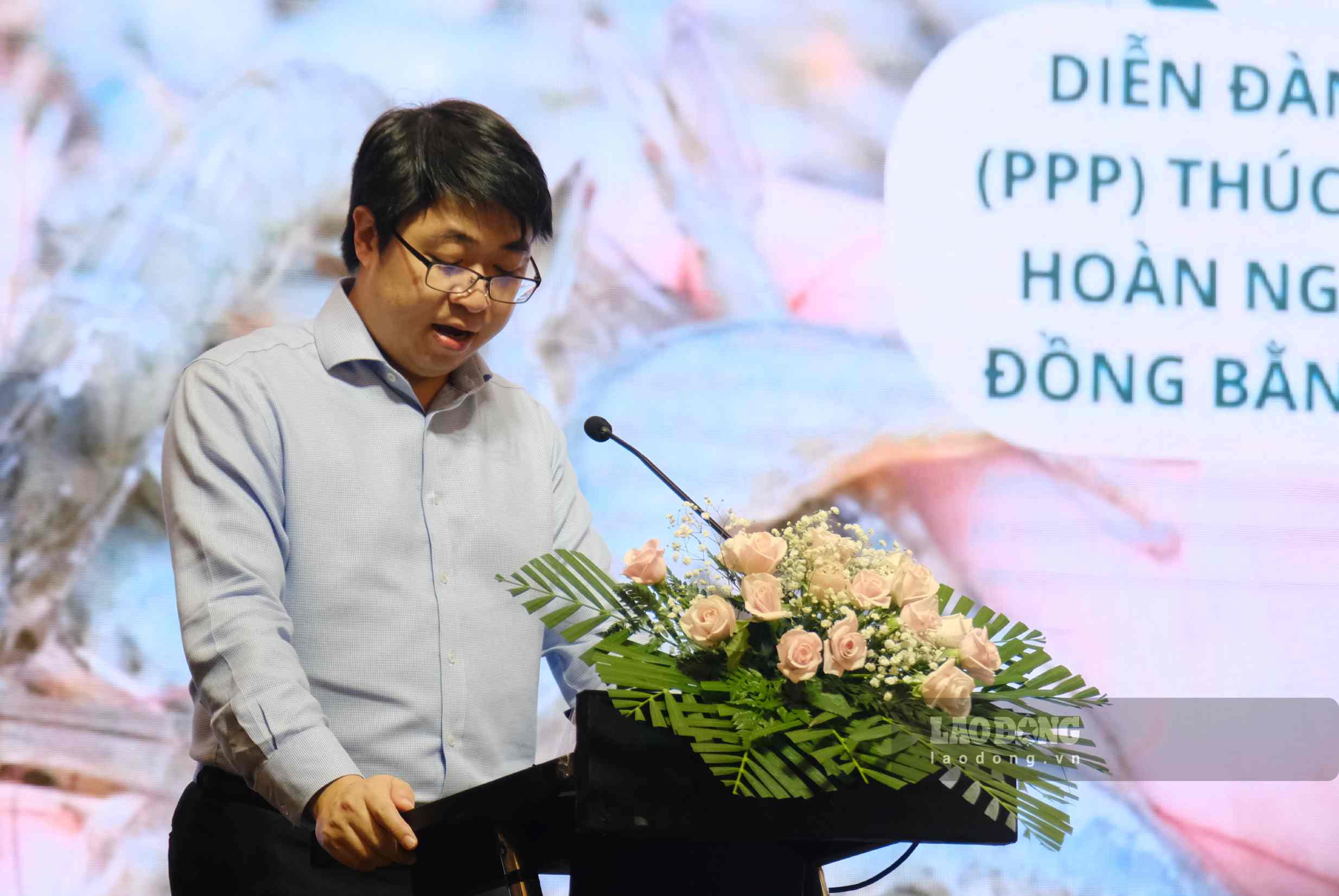
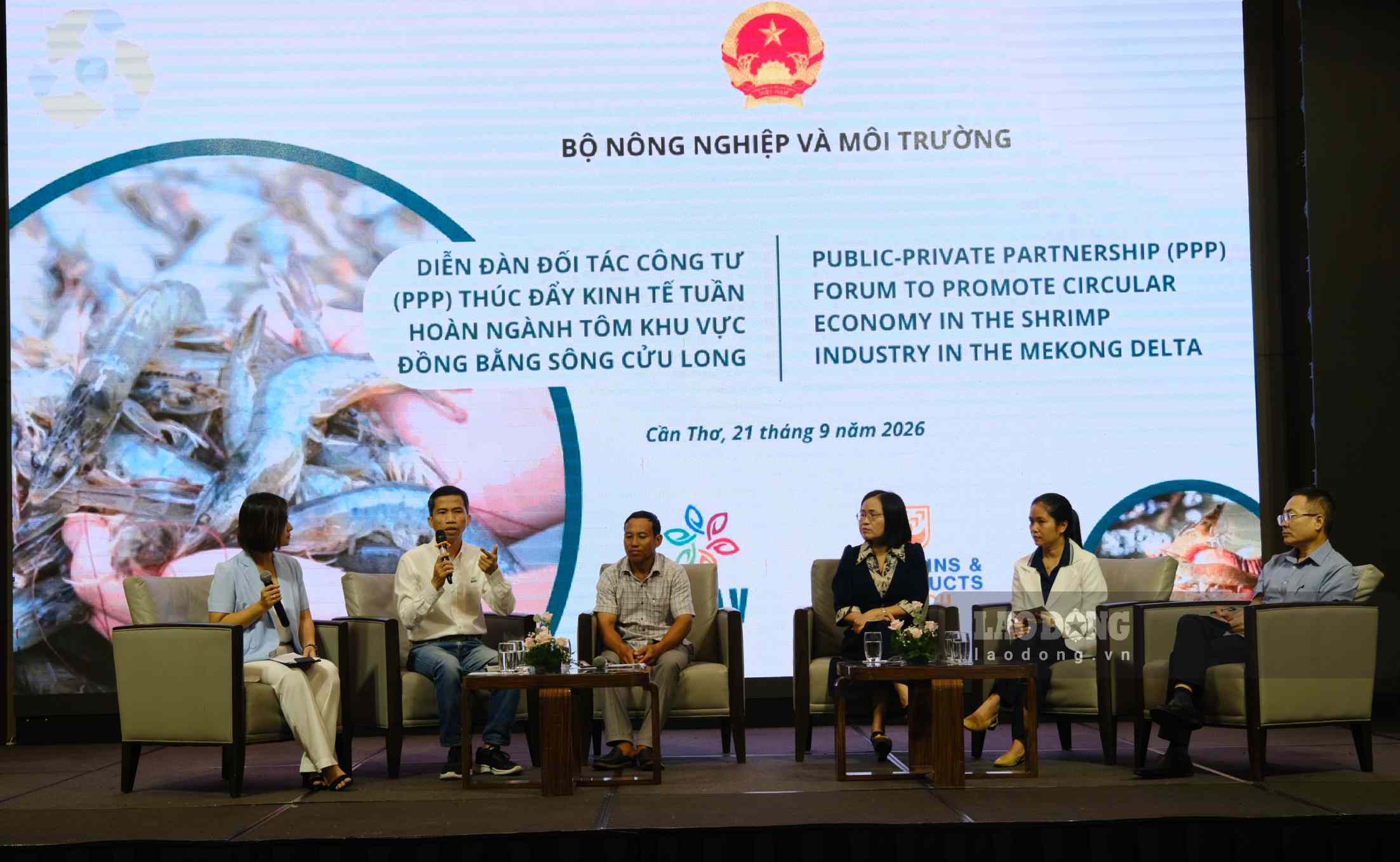
On September 21, the Public-Private Partnership (PPP) Forum to promote the circular economy of the shrimp industry in the Mekong Delta (Mekong Delta) region took place in Can Tho City.
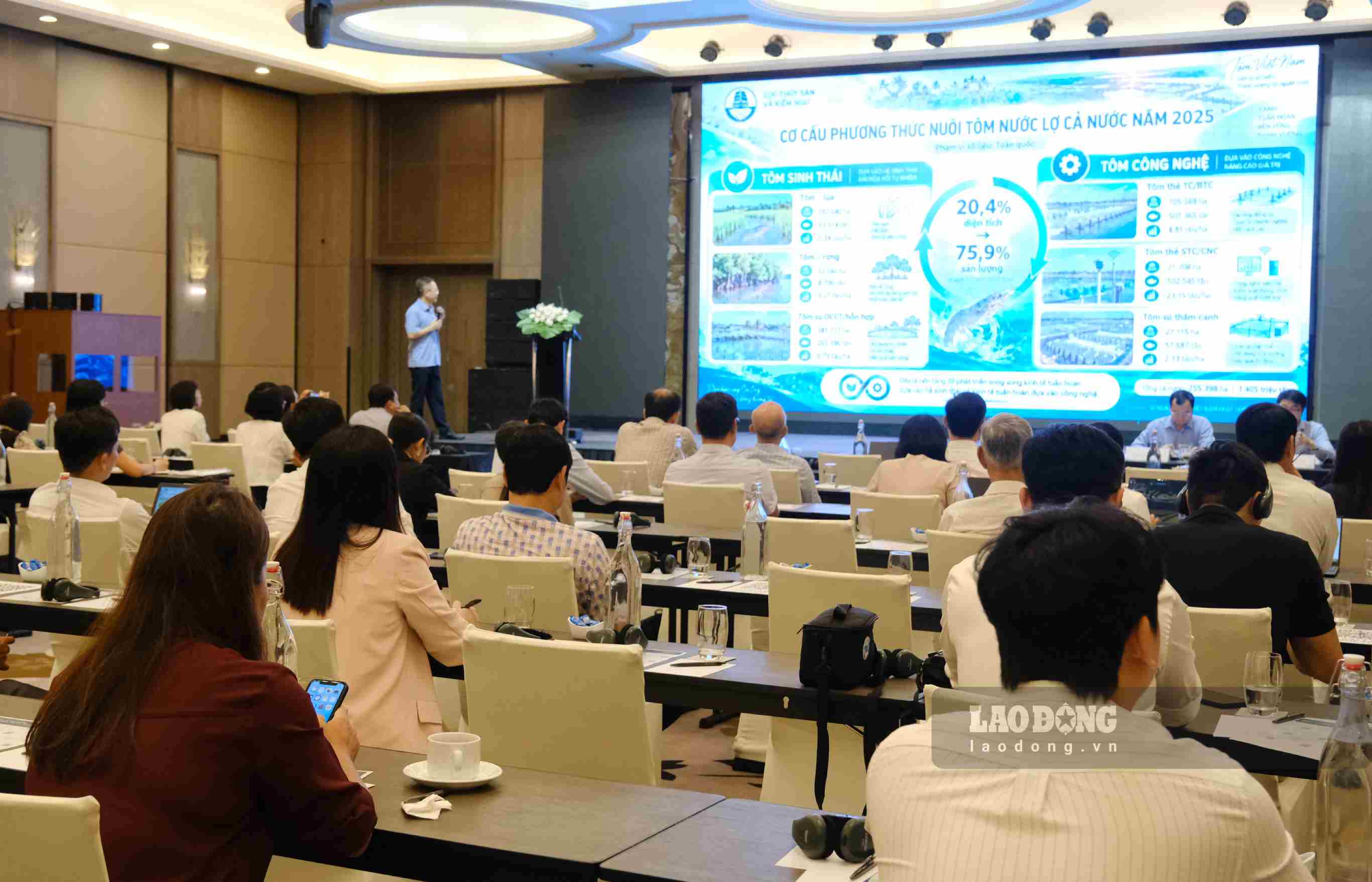
At the forum, Mr. Vu Duc Dam Quang - Deputy Director of the International Cooperation Department (Ministry of Agriculture and Environment) - said that the shrimp industry has an important position in production, export and creating livelihoods for people, especially in the Mekong Delta region.
In 2025, Vietnam's shrimp exports reached about 4.6 billion USD, accounting for about 35-45% of total seafood export turnover.
However, the development process of the industry is facing many new requirements. Input costs, especially feed, energy and environmental treatment, are increasingly putting pressure on production efficiency. Climate change, saltwater intrusion, epidemics and changes in environmental conditions continue to directly affect shrimp farming activities.
Export markets are increasingly interested in traceability, carbon emissions, environmental responsibility and sustainability of the entire value chain.
These requirements raise a very clear issue: the shrimp industry needs to continue to innovate its production model, improve resource efficiency, reduce emissions, and at the same time increase its ability to meet the increasing requirements of the international market," Mr. Quang emphasized.
In this context, Mr. Quang believes that the circular economy is opening up a suitable approach for the transformation of the shrimp industry, through improving resource efficiency, reusing water and by-products, saving energy, applying technology and enhancing data transparency.
In fact, feasible models and initiatives have emerged. This is the basis for continuing to connect technology, finance and the market, promoting public-private partnership models and replicating appropriate solutions.
Not individual technology
Mr. Ngo The Anh - Head of Aquaculture Department, Department of Fisheries and Fisheries Surveillance (Ministry of Agriculture and Environment) - determined that the circular economy of the shrimp industry is not a separate technology but a way to reorganize production towards efficiency, circulation and sustainability.
Notably, the development of circular economy in the shrimp industry currently still has gaps that need to be correctly identified. First of all, it is the issue of institutions, policies and governance. Although there have been relevant guidelines and policies, specific and detailed regulations on circular economy in the shrimp industry still need to be further improved.
Besides, there are issues of infrastructure, technology, data, financial markets, production organization and implementation capacity.
According to Mr. Ngo The Anh, solving these gaps is a prerequisite for realizing the circular economy in the shrimp industry, towards green production, high value, low emissions and sustainable development.
At the same time, the participation of the State, businesses, farmers, research organizations and related partners is needed to share responsibilities, resources and benefits.
In which, the public sector needs to continue to improve mechanisms and policies, support research and technology transfer, and at the same time strengthen supervision of implementation. Public-private partnerships need to accompany, share and create value; clearly define the role of the State, businesses and farmers in using resources and ensuring sustainability. Regarding investment, it is necessary to pay attention to capital, technology, management, model development, chain linkage and market expansion.