
Great advantages, no small challenges
With more than 427,000 hectares of shrimp farming, an estimated output of over 565,000 tons in 2025, Ca Mau is currently the locality with the largest shrimp farming scale in the country. For a long time, shrimp has become a pillar of the economy, a key export industry of the southernmost province.
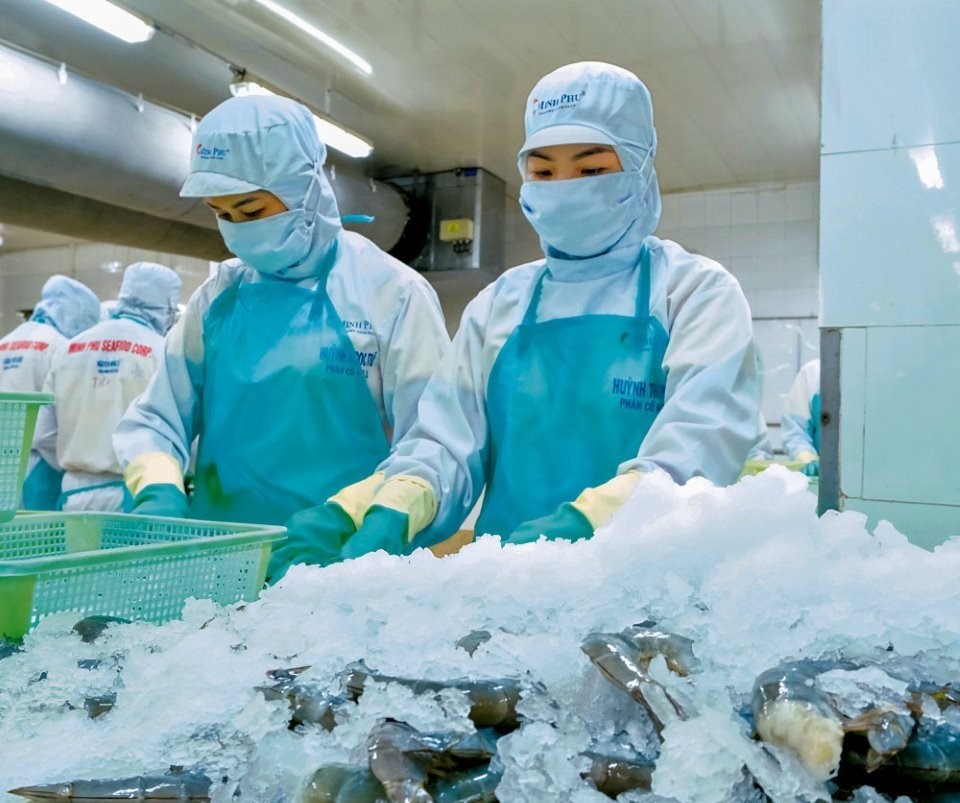
Currently, Ca Mau has 89 seafood processing plants for export, with a total designed capacity of over 500,000 tons per year. Most of the enterprises have met international standards such as ASC, BAP, BRC, ISO..., meeting the conditions to bring Ca Mau shrimp to demanding markets such as the US, EU, Japan, and Korea.
In the period 2021 - 2025, the province's seafood export turnover reached over 10.4 billion USD, of which shrimp accounted for an overwhelming proportion. Shrimp is not only a key agricultural product, but also the backbone of the processing and exporting industry.
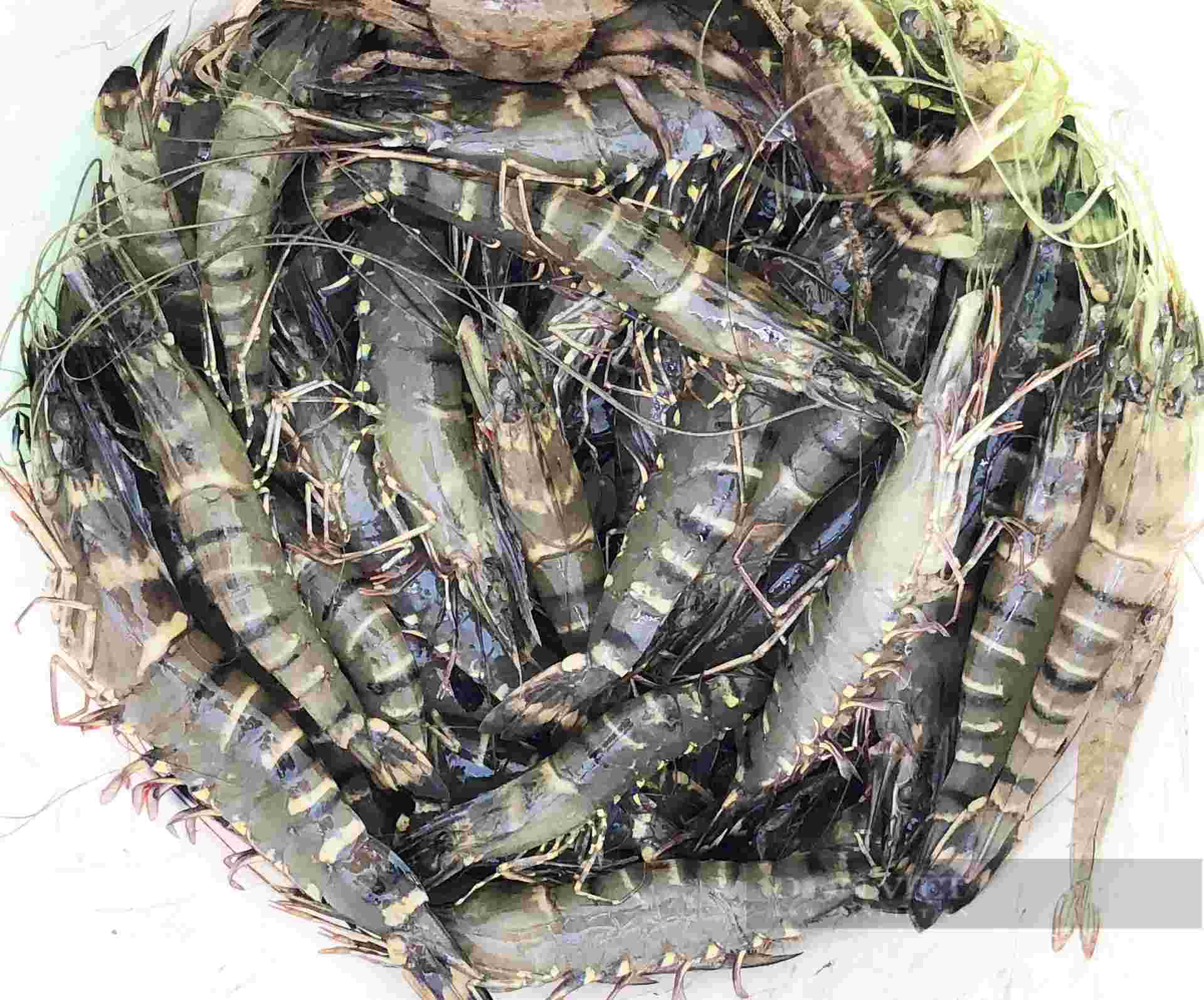
According to the People's Committee of Ca Mau province, Ca Mau shrimp exports have faced many challenges in the past time. Although the raw material area is large, production is still fragmented, and the link between farmers and businesses is not close. Climate change, epidemics, and increased input costs make shrimp quality uneven, and costs difficult to control.
In the processing stage, most shrimp products are exported in traditional frozen form. The proportion of deep-processed shrimp and value-added products is still low, while this is a segment that brings high profits and less risk in the face of market fluctuations.
Shrimp exports are also under increasing pressure from technical barriers. Requirements for traceability, antibiotic residues, green standards, and low emissions are increasingly strict. IUU yellow cards continue to be a barrier, causing compliance costs to increase, and customs clearance time to be prolonged. In addition, logistics and cold storage, although invested, are not synchronized, reducing product competitiveness.
Switching from output to quality
On January 7, Ca Mau province officially approved the Project on developing processing industry associated with expanding export markets to 2030. The Project clearly defines: shrimp is still the number one strategic commodity, but the way of doing things must change. The key goal is to increase value.
Accordingly, deep-processed shrimp production is expected to increase by an average of about 7%/year. By 2030, over 30% of exported shrimp products will be added value products; more than 50% of key export shrimp processing facilities will achieve advanced technology levels. Shrimp exports must be linked to a green, sustainable value chain and traceable origin.
To realize the goal, Ca Mau focuses on reorganizing the farming area in a concentrated direction, meeting ASC, BAP, VietGAP, organic standards; expanding the shrimp - forest, ecological shrimp model associated with international certification. Increasing the link between businesses - cooperatives - farmers is considered a key solution to control quality and stabilize raw material sources.
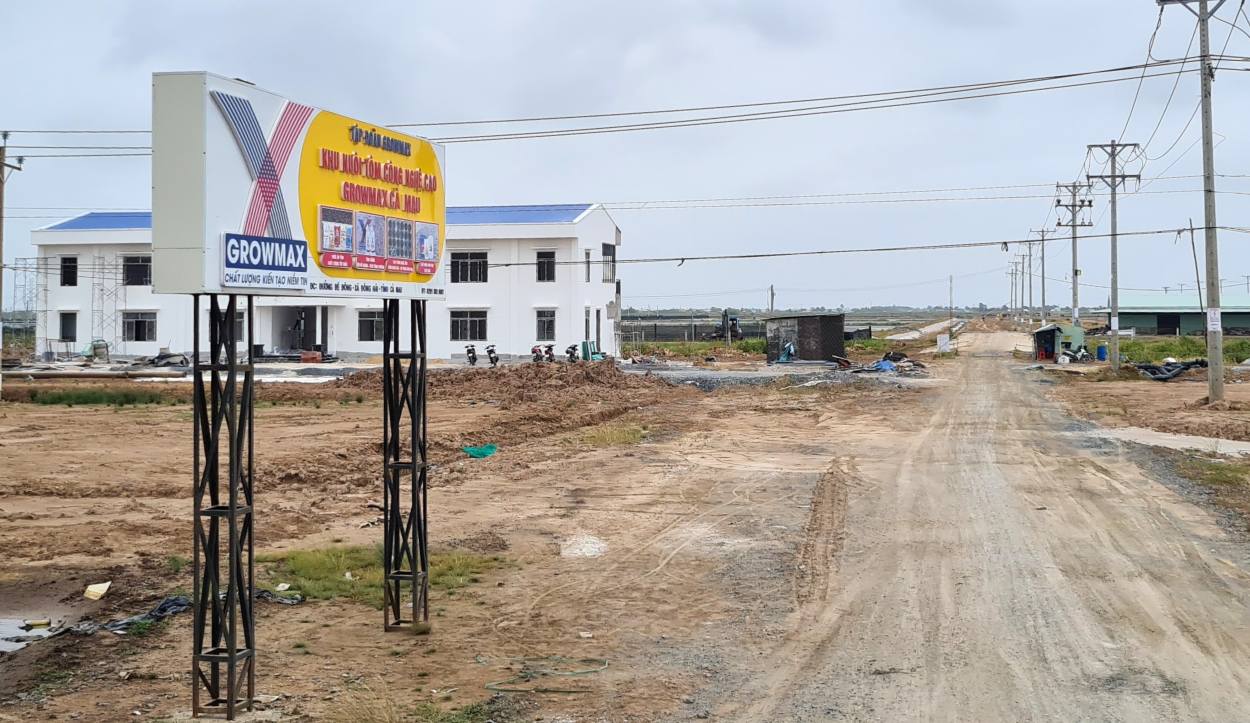
At the same time, the province prioritizes attracting investment in deep processing, diversifying value-added shrimp products; promoting technological innovation, automation, energy saving and reducing emissions in processing.
In the market stage, the orientation is to reduce dependence on a few traditional markets, while expanding to potential markets; taking advantage of new generation free trade agreements. Investment in logistics, cold storage and traceability infrastructure continues to be identified as a mandatory condition to improve competitiveness.


