
From durian gardens to rice fields, digital technology is gradually changing farming methods in many rural areas. No longer just relying on traditional experience, farmers today are starting to do business more methodically thanks to cooperatives, applying science and technology and digitization in production and consumption. Thanks to that, income has improved significantly, and life is gradually getting better.
Mr. Tam Hoanh (76 years old, Chairman of the Board of Directors cum Director of Tan Thoi 1 Cooperative, Can Tho City) recalled that more than 30 years ago, local people planted fruit trees but often fell into a situation of "bumper crops and price drops". Roads were difficult to travel, many households still lit oil lamps, and life was precarious.
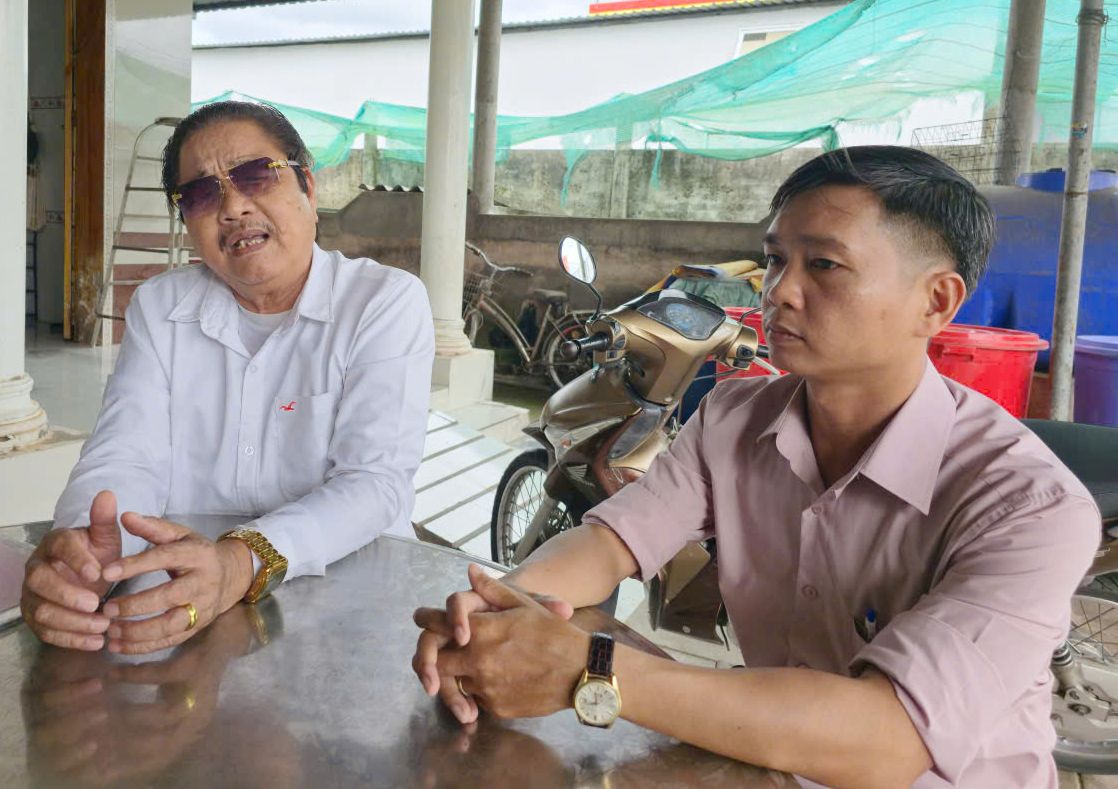
Those concerns prompted Mr. Hoanh and some farmers to establish Tan Thoi 1 Cooperative. Initially, many people were still hesitant and worried about risks. Only when the locality supported seedlings and the Cooperative stood out to guide techniques and guarantee product consumption did people boldly participate.
Currently, Tan Thoi 1 Cooperative has 57 members with about 40ha of durian. Of which, 39 households with 25ha have been granted planting area codes for export; the rest are completing procedures. Thanks to production according to processes, quality control and output, many households have stable incomes, no longer having the scene of "bumper crops and price drops" as before.
If Tan Thoi 1 Cooperative focuses on improving the quality of agricultural products and output, Khiet Tam Agricultural Cooperative creates an impression by boldly bringing technology into the fields to increase productivity and reduce costs. Established in 2015, Khiet Tam Cooperative specializes in producing high-quality rice seeds, commercial rice and providing post-harvest treatment and preservation services.
In recent years, the Cooperative has invested in unmanned aerial vehicles (UAVS) to spray pesticides, spread fertilizer, and sow rice. Previously, to spray pesticides for 1ha of rice, farmers had to spend 7-8 hours of manual labor, now only 3 to 10 minutes. The application of technology helps reduce costs, limit chemical exposure and reduce environmental pollution.
Each year, Khiet Tam Cooperative supplies about 3,000 tons of rice seeds to the Mekong Delta Rice Institute. To date, the Cooperative has nearly 40 members with a total production area of about 340ha. In bumper crops, cooperative members earn a profit of about 40 million VND/ha.
According to Mr. Pham Minh Duoc, a cooperative member, production according to the common process helps increase efficiency significantly. "Rice is sown sparsely, with few pests and diseases, harvested by machine, so losses are reduced. My family's income increases by more than 30 million VND/ha per year compared to before," Mr. Duoc said.
Not only rice production, the Cooperative also expands services such as UAV spraying, supplying materials and technical support, contributing to reducing the labor burden for farmers.
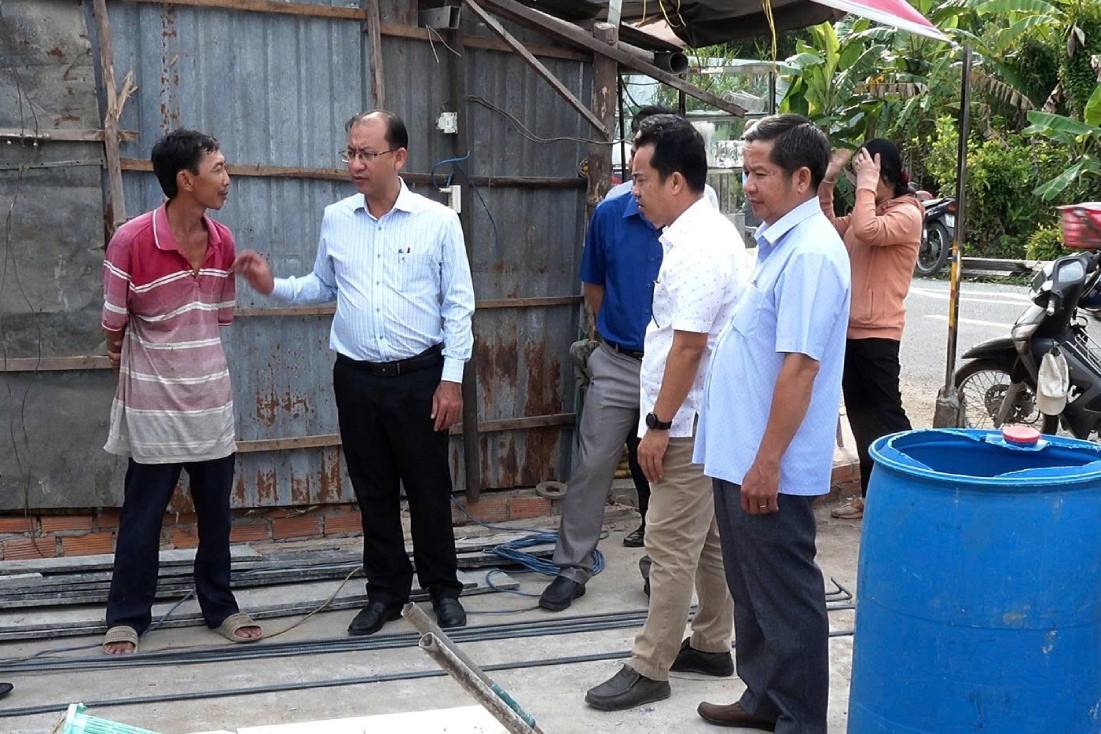
Mr. Nguyen Trung Nghia - Secretary of the Party Committee of Phong Dien commune (Can Tho City) said that the locality is particularly interested in effective economic models. According to Mr. Nghia, cooperatives are "backbones" for farmers to link production and apply technology, thereby increasing income and stabilizing life in rural areas.
According to the agricultural sector of Can Tho City, digital transformation associated with building new rural areas is creating clear changes in agricultural production, contributing to helping people feel secure in sticking with the fields and gradually getting rich from farming.


