
Reviving thanks to technology and experiential tourism
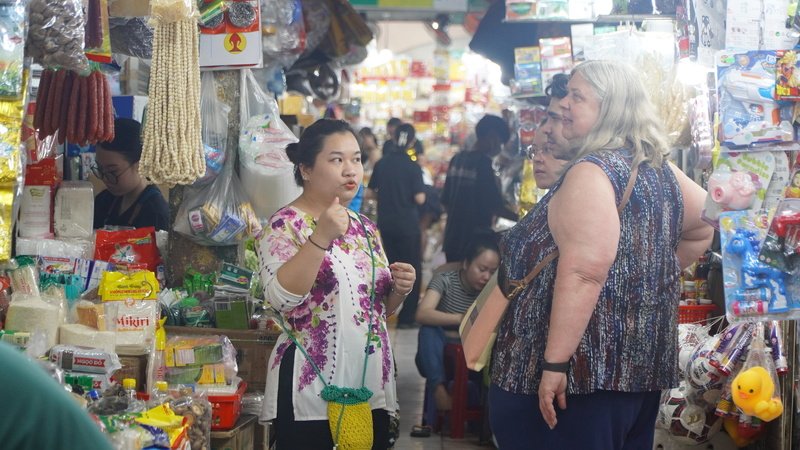
associated with the history of formation and development of Cho Lon area, Binh Tay market is now becoming more vibrant thanks to trading activities associated with tourism and the night market model implemented from the beginning of December 2025. The highlight is the tour program "Touching the ancient mark - Binh Tay Market" with experiential activities such as lion - monk - dragon dance, festival drum, cuisine and handicraft workshops.
Traditional markets still play an important role in people's lives. Many people go to the market as a daily habit, not only to buy and sell but also to meet, chat and feel the familiar rhythm of life. We also proactively list prices and discounts prices for customers to attract more customers" - Mr. Nguyen Tung, a trader at Binh Tay market said.
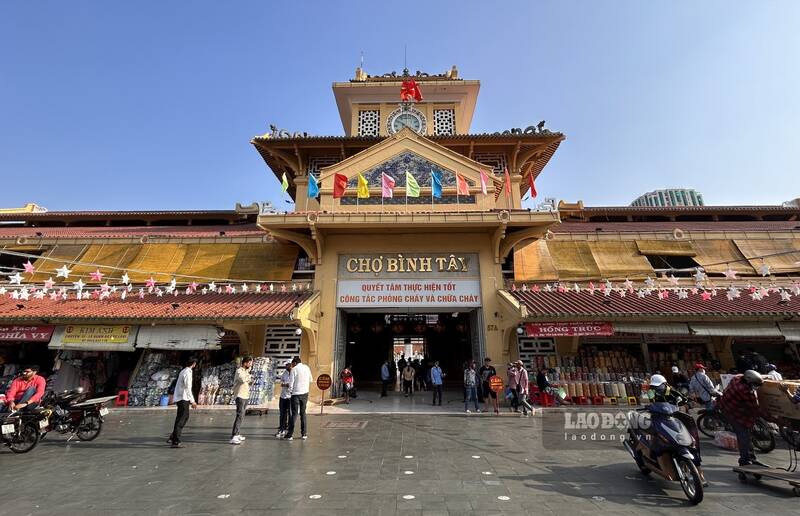
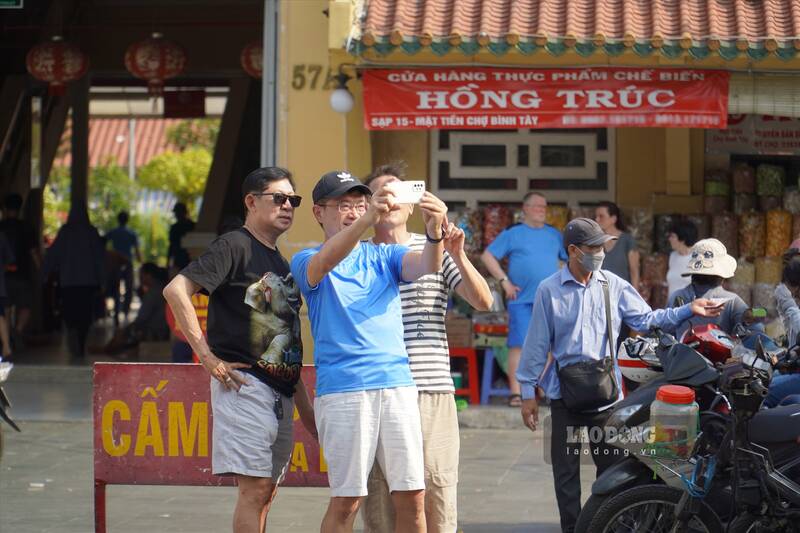
According to Ms. Nguyen Ngoc Que Phuong - Head of Binh Tay Market Management Board, the programs aim to attract tourists, stimulate the local economy - tourism.
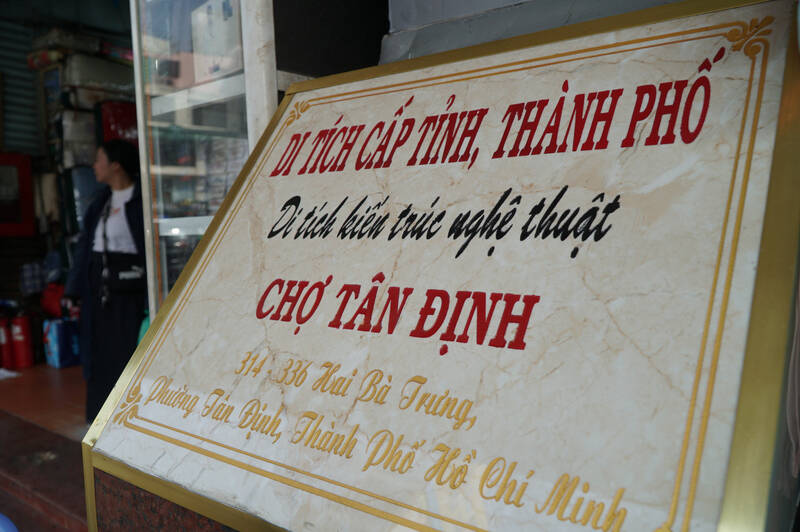
At Tan Dinh market, shopping - sightseeing space is included in the program "Cultural Experience - Imprints of Tan Dinh" organized by Tan Dinh Ward People's Committee. Mr. Le Quang Thien - Head of Tan Dinh Market Management Board said that after being recognized as a city-level relic according to Decision 1024/2025 of the Ho Chi Minh City People's Committee, Tan Dinh Market is oriented to develop with new highlights, including the model "Standing booth - Friendly Counter" with clear listed prices, quality products, professional services, and at the same time forming "specialty products of the market".
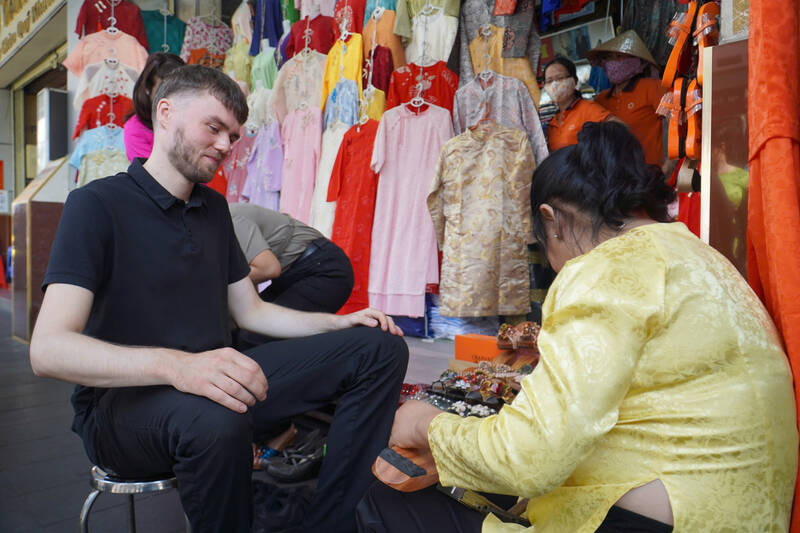
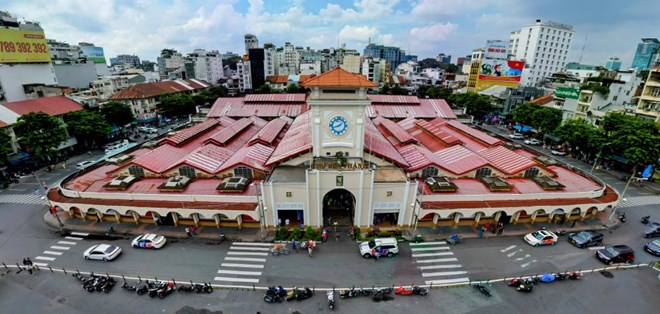
Meanwhile, Ben Thanh Market has also recorded a more stable number of visitors since Metro Line 1 came into operation. According to trader Ngo Cam Nhung: "Forever connecting transportation has helped tourists, especially international visitors and young people, easily access the central area, thereby adding vitality to shopping and sightseeing activities at the city's iconic market".
The problem of adaptation and digital transformation
Not only stopping at the models of attractions associated with tourism and experiences, the general picture of the traditional market system of Ho Chi Minh City still has many dark colors. This reality poses an urgent need for restructuring and improving the adaptability of traditional distribution channels in the context of rapidly changing consumer behavior and increasingly fierce competition from modern channels.
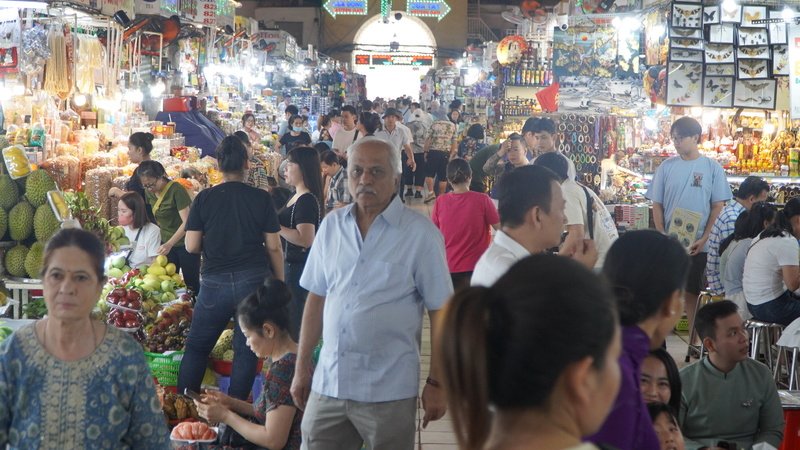
Mr. Nguyen Nguyen Phuong - Deputy Director of the Department of Industry and Trade of Ho Chi Minh City said that there are currently more than 400 markets in Ho Chi Minh City. Some markets in favorable locations have effectively combined shopping with cultural and tourism activities, so the business situation is relatively stable. Some specialized markets, with a long-standing network of connecting tours and distributing goods to many places, also operate quite effectively.
However, most of the remaining markets are facing many difficulties and operating at a low level; many markets are almost deserted, only maintaining some fresh food items to serve local people.
In the face of that reality, Ho Chi Minh City has assigned the Department of Industry and Trade to study and complete a project to develop markets to adapt to the epidemic situation and the digital transformation process. Ho Chi Minh City encourages and motivates small traders to work with the city to implement major programs, build a civilized commercial image, create favorable shopping conditions, and stimulate consumption. At the same time, the Department reviews and grasps the wishes, as well as the coordination methods of business households in traditional channels" - Mr. Phuong said.
In addition to supporting market management boards and traders to handle daily problems, the Department of Industry and Trade also surveyed and assessed the level of consensus when implementing the city's general programs. On that basis, the industry will adjust, improve and replicate the model to other markets, contributing to helping traditional markets overcome difficulties and reduce increasingly increased competitive pressure from modern distribution channels.


