
Faced with increasing pressure on food safety in schools, Ho Chi Minh City is promoting the construction of a synchronous monitoring mechanism, while promoting the "Responsibility Green Stick" model to control food quality from production to school kitchens.
According to Ms. Huynh Le Nhu Trang - Deputy Director of the Ho Chi Minh City Department of Education and Training, the whole city currently has about 3,500 schools with more than 2.5 million students. After the merger of administrative boundaries, the scale of schools and classes is increasing rapidly, making the pressure to control food safety increasingly large.
In the context that parents are particularly concerned about the quality of students' meals, the education sector is coordinating with the Ho Chi Minh City Department of Food Safety to build a synchronous monitoring mechanism to ensure students' health.
Not only strengthening training for management officials, teachers and catering staff, the education sector also requires schools to tighten the entire process from receiving raw materials, processing to distributing meals.
Notably, Ho Chi Minh City is building a school meal management software system to serve the inspection, supervision and traceability of food sources throughout the system. This is considered an important step to increase the transparency of student meals, while supporting management in the context of the increasing number of schools.
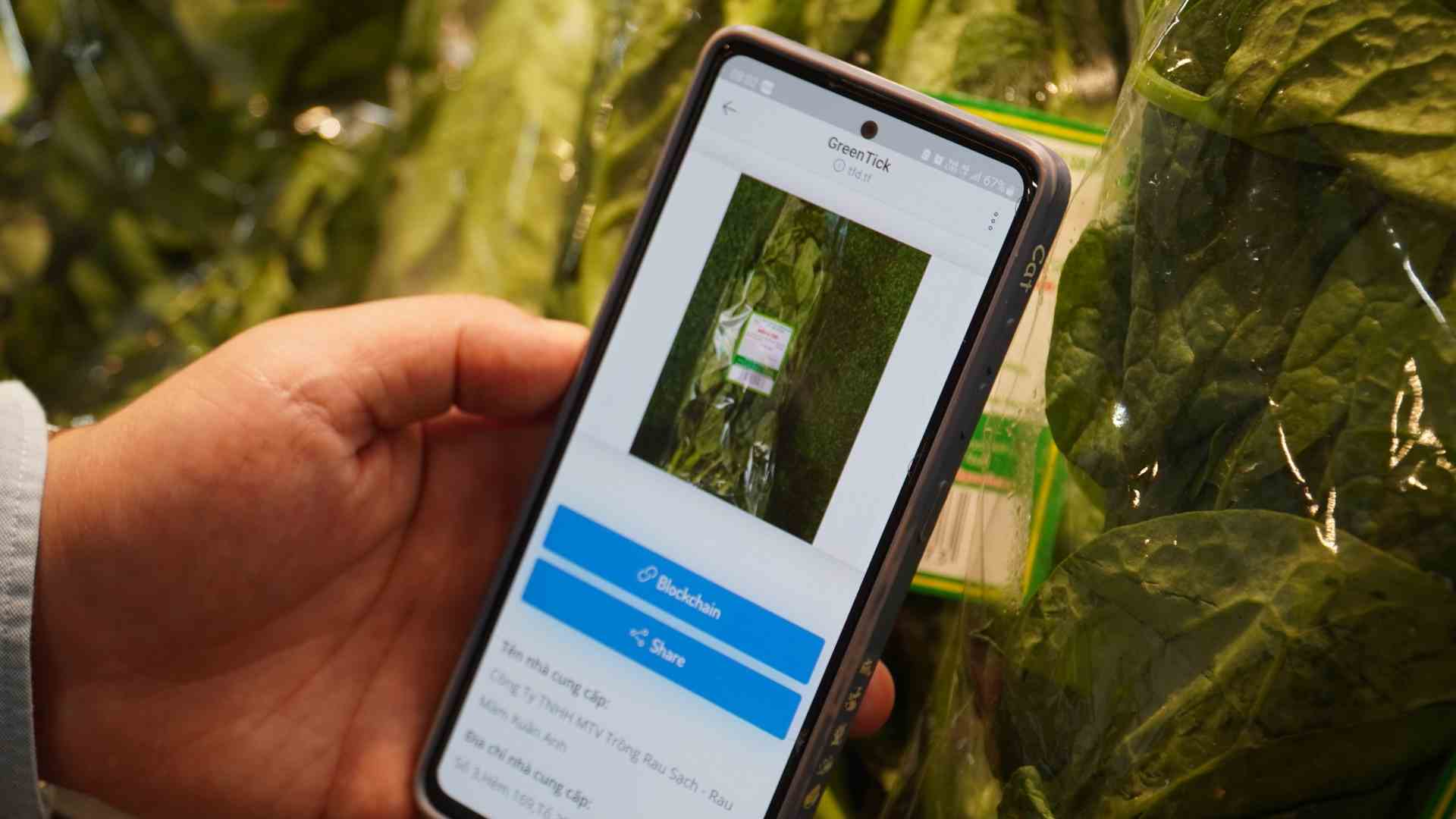
In parallel with management efforts from functional agencies, many food suppliers are also finding ways to maintain safe sources of goods for school kitchens in the context of sharply increasing input costs.
Mr. Le Minh Tuan - General Director of Vissan said that about 5-6 years ago, the company's products were present in most schools in Ho Chi Minh City. However, recently, the supply output to the school channel has decreased significantly due to cost reduction pressure.
Schools and industrial catering units have to carefully calculate financial problems, so many places are forced to choose cheaper raw materials" - Mr. Tuan said.
To maintain market share in school kitchens, the unit said it will apply a price reduction policy of 10% or more compared to supermarket prices for both fresh and processed products. The business is committed to maintaining stable prices for a long time instead of just promoting at different times.
Meanwhile, a representative of MM Mega Market said that there are currently about 3 customers who are meal providers participating in the tick green food program.
However, many units are still concerned about how to identify green tick products when buying a variety of items such as vegetables, meat, fish and dried foods, because currently many dried products still do not have this certification.
Regarding price policy, MM Mega Market said it will apply preferential rates about 5-6% lower than the prices at wholesale markets, but only for the tick green meal supply model.
Businesses are also gradually expanding their list of standard products, not only in fresh food but also including essential items such as rice, oil, sugar, fish sauce... to meet the actual needs of collective kitchens.
Regarding the long-term management orientation, Mr. Nguyen Nguyen Phuong - Deputy Director of the Ho Chi Minh City Department of Industry and Trade said that the city is piloting the "Responsibility Green Label" program in some wards and communes and proposed to bring products that meet the green label into collective kitchens, especially in schools.
This model will be replicated, both contributing to limiting the risk of food poisoning and creating stable output for businesses, towards building a safe and sustainable food production and distribution ecosystem" - Mr. Nguyen Nguyen Phuong shared.


