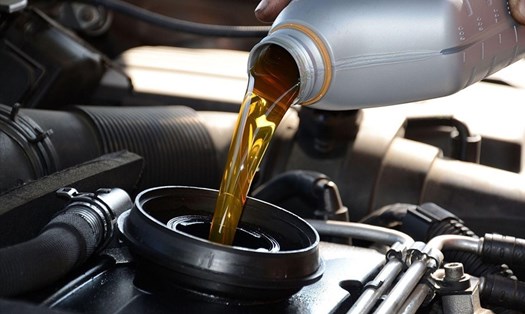
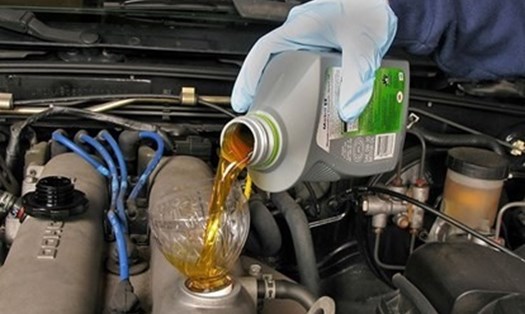
Engine oil plays an important role for all vehicles using internal combustion engines. Not only lubricating moving parts, oil also helps cool, clean and protect the engine from abrasion.
However, many car owners still do not clearly understand how to check, use and handle problems related to engine oil.
Periodic oil checks will be a necessary habit to ensure the engine operates stably. Usually, car owners should check the oil at least once a month or after several refuelings.
For vehicles that have been used for many years or show signs of oil leakage, the frequency of inspection needs to be higher.
Expiration date of engine oil
A common question is whether engine oil is expired or not? The answer is yes. Engine oil in its original packaging can be used for many years, depending on the type of product.
However, after opening the lid, the oil should be used for about a year to ensure the quality and effectiveness of engine protection.
What happens if you pour too much oil?
Many people think that pouring more oil than recommended will help protect the engine better. In fact, pouring too much oil can cause serious consequences.
Excess oil can create air bubbles, reduce lubrication capacity, increase pressure in the system and cause damage to joints and seals.
In some cases, oil can also enter the combustion chamber, creating smoke from the exhaust pipe and affecting the catalytic converter, which is a part with very high replacement costs.
Is engine oil flammable?
Many car owners are also concerned about the flammability of engine oil. In fact, engine oil has a very high ignition point, usually above 200 degrees Celsius, so it is difficult to catch fire in normal use conditions. However, used oil may be more flammable due to fuel contamination or other impurities.
Low engine oil pressure
One of the most serious warnings on the car is the low oil pressure indicator light. This signal indicates that the engine may not receive enough oil needed for lubrication.
The most common cause is oil shortage, in addition, it can also be due to oil pump malfunctions, oil filter blockage or using oil that does not meet the recommended viscosity of the manufacturer. When the warning light appears, the car owner should check immediately and limit continuing to operate the car.
Low oil levels can also cause engine fault lights to turn on. If this situation persists, friction between metal parts will increase, increasing the risk of serious engine damage.
Color of grease
Engine oil color is also a sign reflecting the car's operating condition. New oil is usually transparent amber yellow.
After a period of use, the oil will become darker due to dust and debris clinging to the engine.
However, if the oil turns cloudy gray or shows abnormal signs, the car owner should take the car for inspection to detect technical problems early.