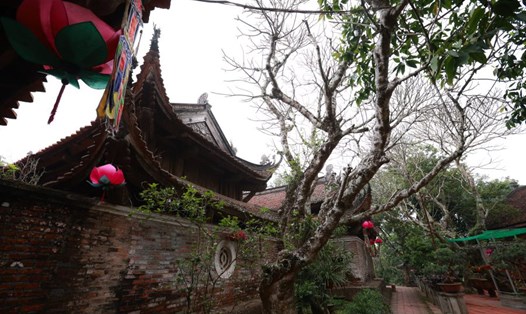
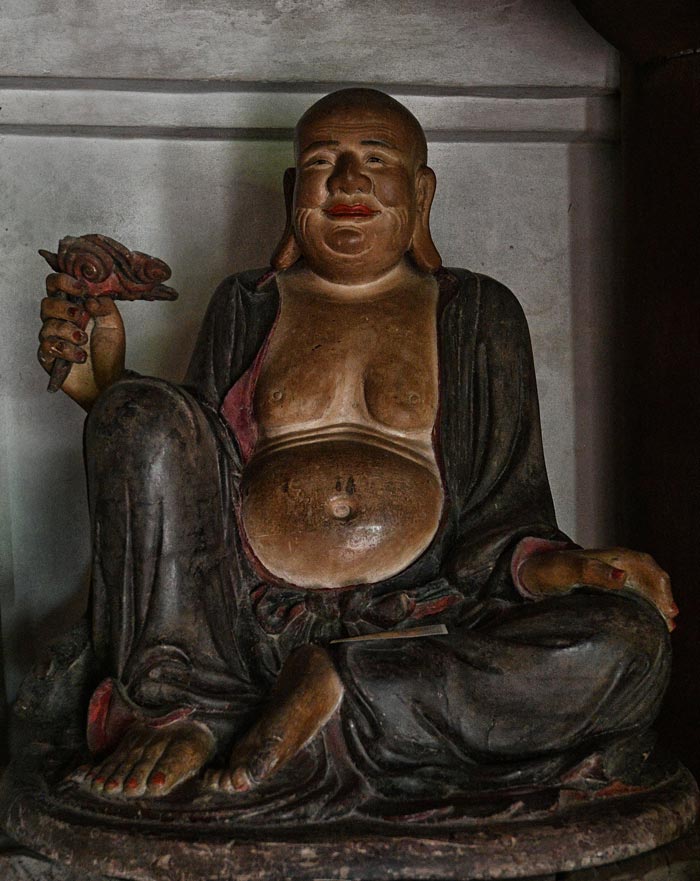
Some are serious, frowning as if facing a big question. Some are leisurely, with mischievous smiles. Some look up, some bow their heads, clasp their hands, some put their hands on their knees; some seem to be lecturing, some are like people who have just gone through a life full of hardships, just wanting to sit still. Ancient artisans carved very real bodies: shoulders, chests, wrinkles, muscles, abdomen, lips and expressive eyes. Visitors can recognize in their eyes the contemplation of themselves, in the faces of hardships of life, in the smile of a bit of humor only gained after many experiences.
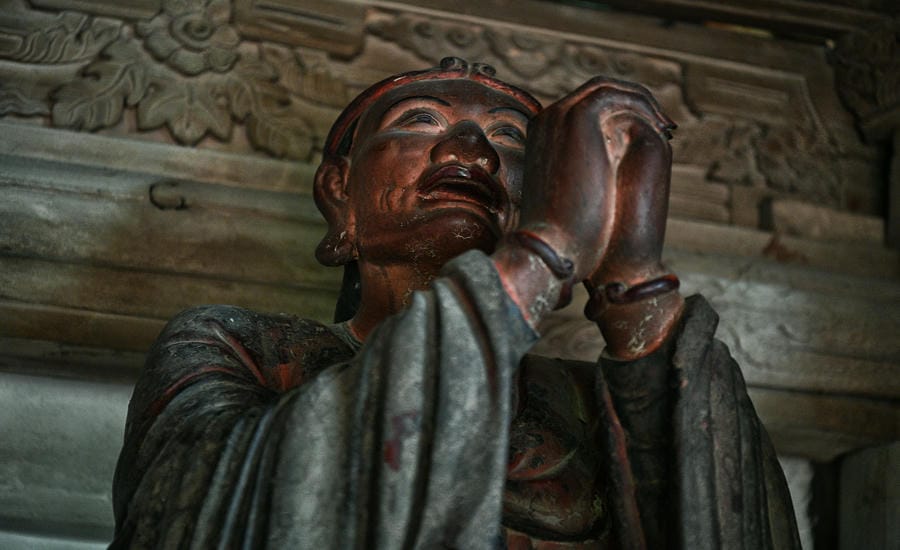
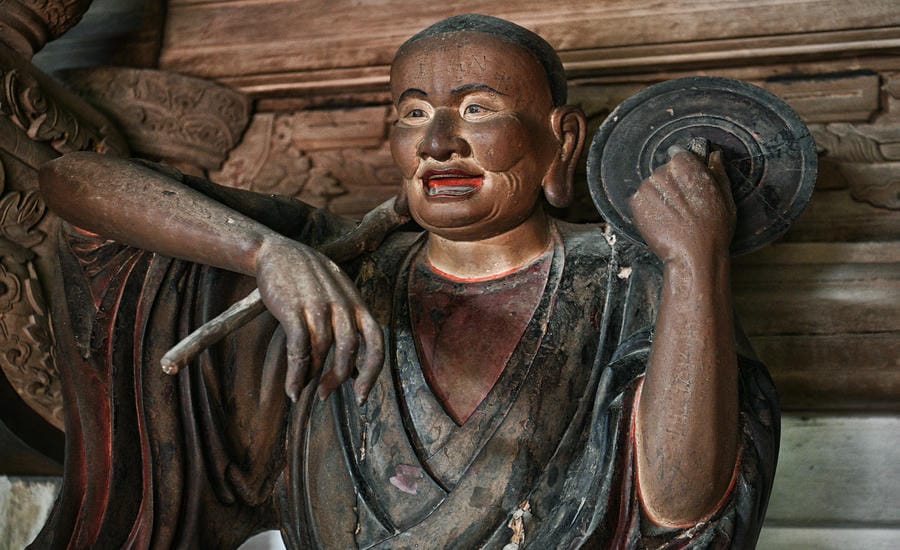
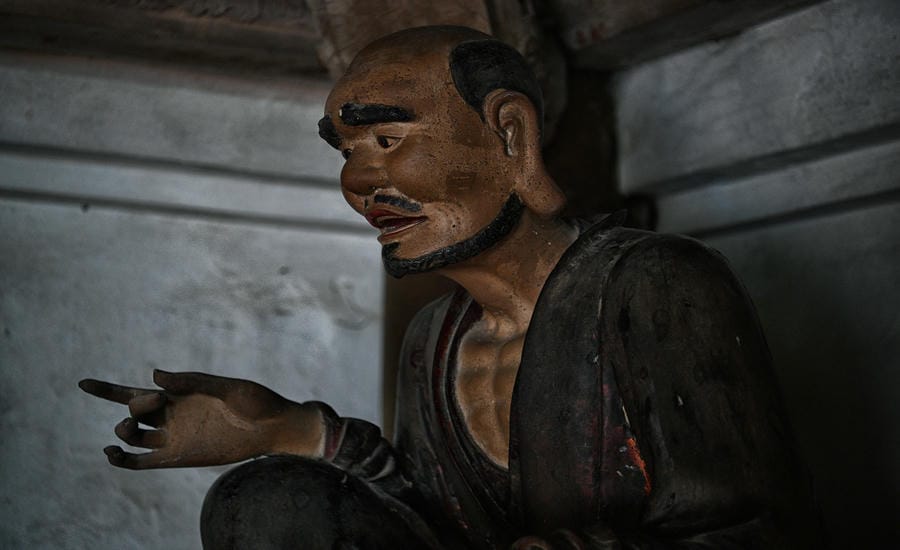
Time also becomes a part of the statues. The paint has faded, the color has turned silver, and cracks and peeling patches appear on the body. But that decay does not make the statues lose their beauty. On the contrary, it makes the faces more vibrant, as if time has not only worn down the wood, but also written a layer of history on it.
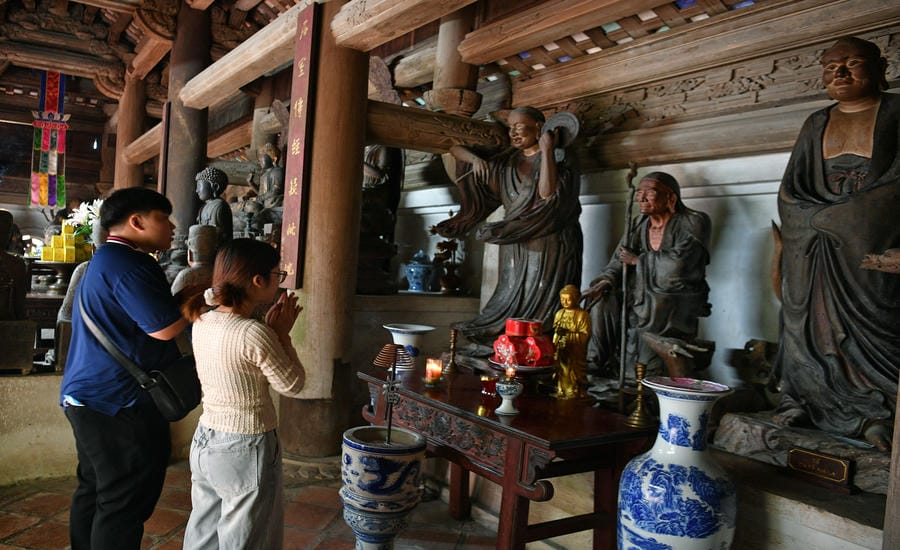
In the narrow light passing through the window and the pagoda roof, the statues sometimes appear and disappear. The bright and dark patches make faces sometimes close, sometimes distant; sometimes looking straight at the person opposite, sometimes sinking into a private world. Standing in front of them, viewers feel each wooden and stone line as if breathing, carrying the warmth of the lives that once existed.
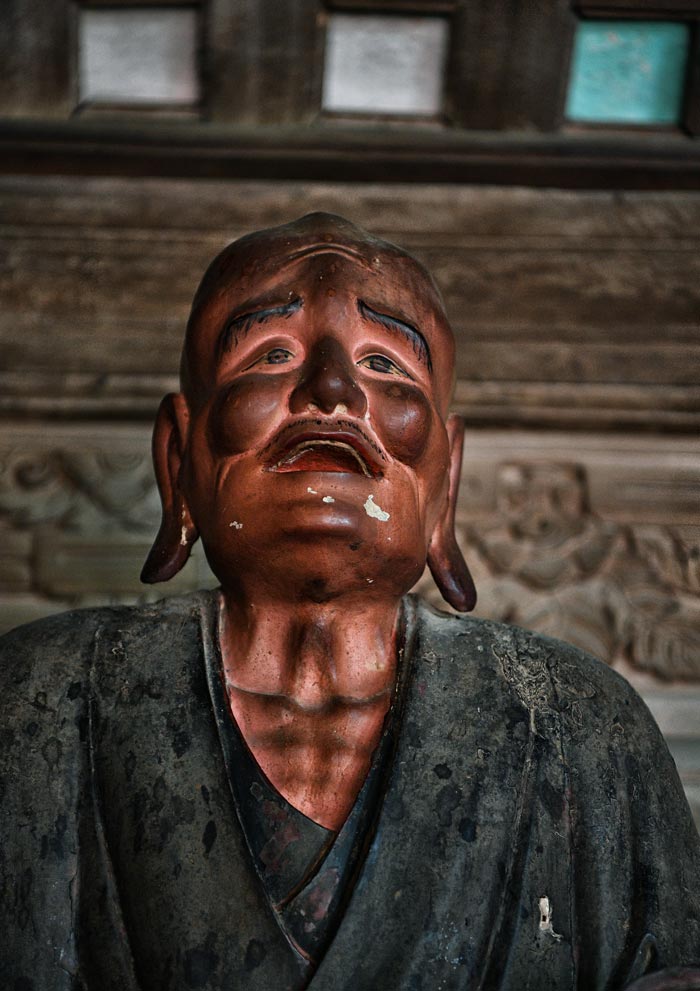
Perhaps that is the special strength of traditional Vietnamese wood carving art, bringing the sacred very close to life. The statues do not have a cold, perfect beauty, they have defects, fierceness, humor and traces of time. But it is in that imperfection that people realize themselves.
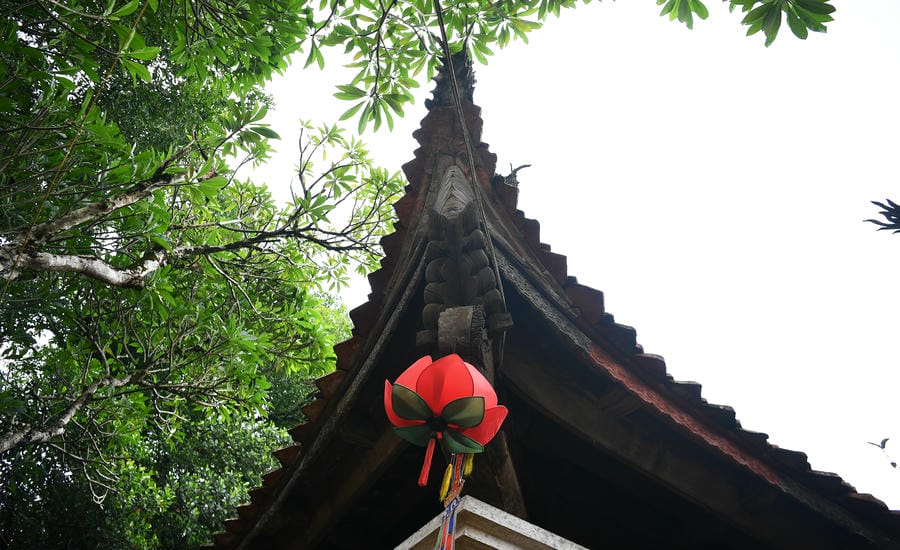
When leaving the pagoda, those faces still remain in memory. Not like the immobile statue of the past, but like people quietly telling non-verbal stories when life is full of suffering and changes, but people can still go through everything with consciousness, tolerance and a little peace of mind.
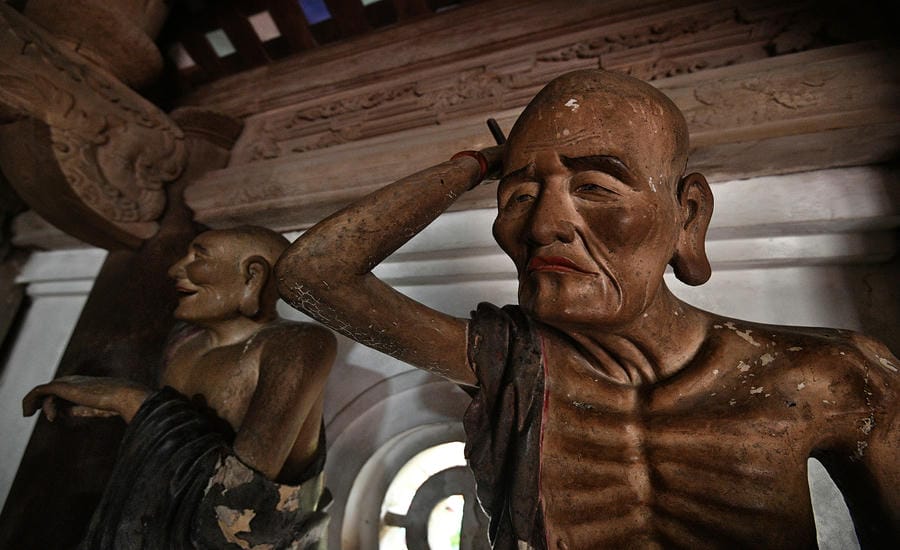
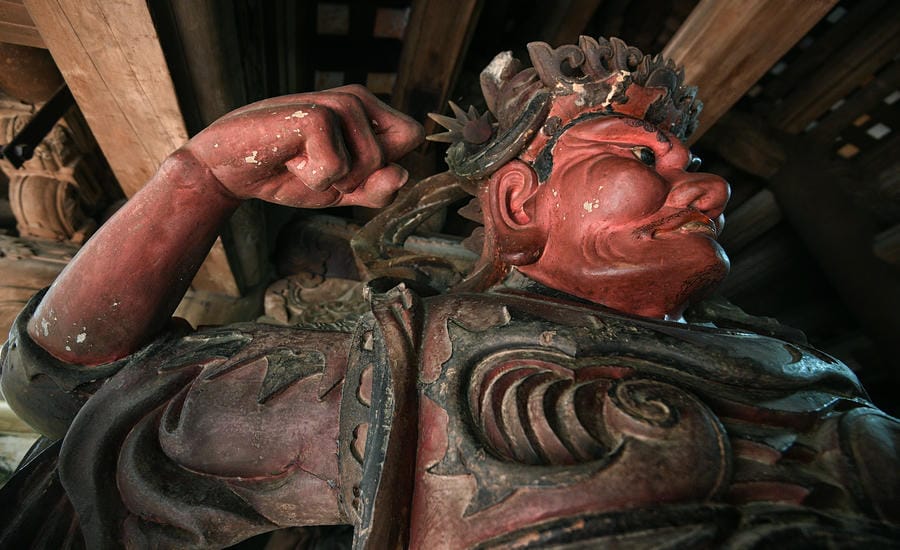
Hundreds of years have passed, the statues are still sitting there in the silent wooden shadow. The paint may fade, the wood may wear out, but those faces seem to still have the ability to look at today's people and see through things that we sometimes don't realize in ourselves.
(Photo set taken in August 2026).