The afternoon sun in the land of Sen Hong gently falls onto the lake surface, spreading golden streaks of light through the trees. After a day of working in Cao Lanh ward, the hungry stomach began to sound a reminder. We, journalists, wandered all over the streets - standing in the middle of a three-way intersection, struggling to find a dish that brings the full flavor of river and water cuisine to "soothe" the taste buds.
Asking some local people sitting and cooling off on the side of the road, almost everyone smiled and waved their hands and said: "You guys from afar, if you want to eat the right flavor of my hometown, stop by Cao Lanh Banh Xeo Village. Not eating banh xeo there is not considered coming to this land! ". With the pride of the people, we decided to follow the introduction, looking towards the embankment.
Le Duan street runs along the gentle river, welcoming the cool afternoon winds blowing in. Along the route are a series of signs close together: Hong Ngoc, Ut Nang, Nam Anh Em... The sound of grease rustling happily on the hot pan, the fragrant aroma blending with the river wind.
We stopped by a random shop, both full of nostalgia and with clear price listings. The shop has a rustic, cozy space. Thanks to the open kitchen space, we witnessed firsthand the sisters quickly scooping flour, stirring pans, sprinkling fillings, rhythmic movements like performing artists.
While making, the chef recounted that in the Mekong Delta, banh xeo is not uncommon, but Cao Lanh banh xeo has a unique and unmistakable characteristic. If Central Vietnamese banh xeo is small, with a crispy and hard crust cast in a mold, then the banh xeo here is as big as a fan, the crust is thinly spread, the border is crispy but still retains its fat content.
The golden color of the cake comes from turmeric powder combined with fatty coconut milk. The most special is the filling. Besides the familiar minced meat filling, Cao Lanh people prefer to eat Siamese duck filling - rich, soft, sweet meat stir-fried until cooked with bean sprouts.
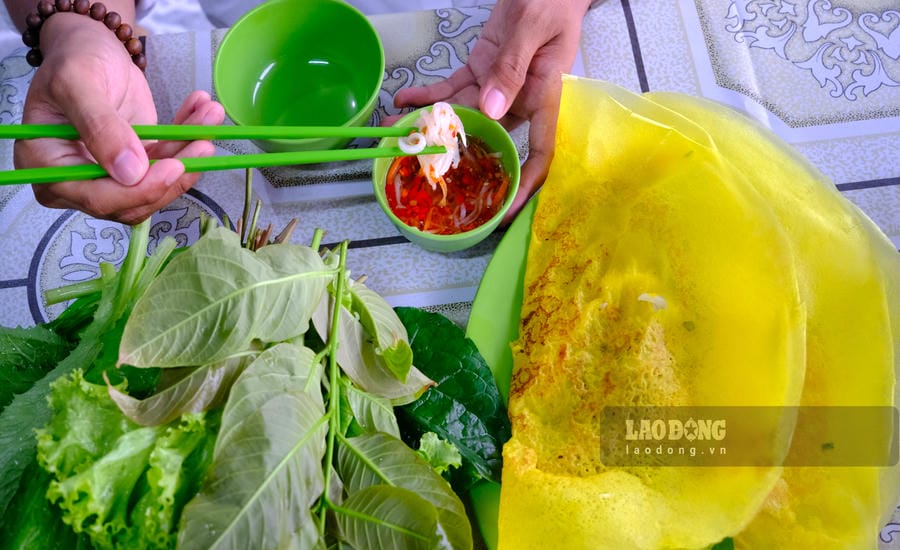
In less than 7 minutes of sitting and chatting, a plate of banh xeo was brought to our table. Hot, golden banh xeo embraces the filling of Siamese duck inside. Accompanying the plate of banh xeo is a green "vegetable garden", considered the soul of this dish. There are lettuce, mustard greens, plum leaves, choại shoots, mango shoots... Vegetables growing along the river and garden but strangely blending together.
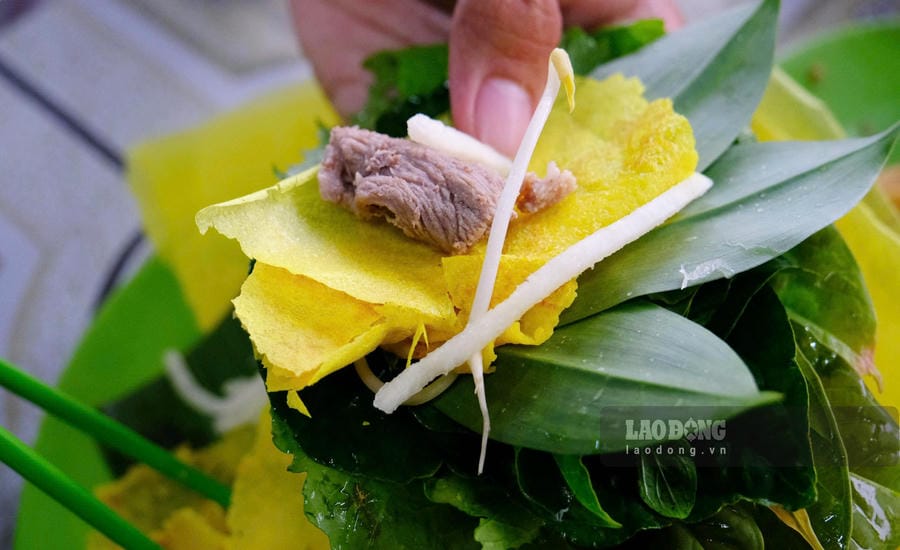
We skillfully placed a stack of vegetables on our hands, added banh xeo crust, meat filling, then rolled them up, dipped them into a bowl of sweet and sour fish sauce, dotted with white radish, crispy red radish. The first feeling is the mild sourness of the vegetables, the crispness of the crust, followed by the fatty taste of rice flour and coconut milk, the rich sweetness of Siamese duck meat. All senses seemed to wake up in the peaceful sunset space by the riverbank.
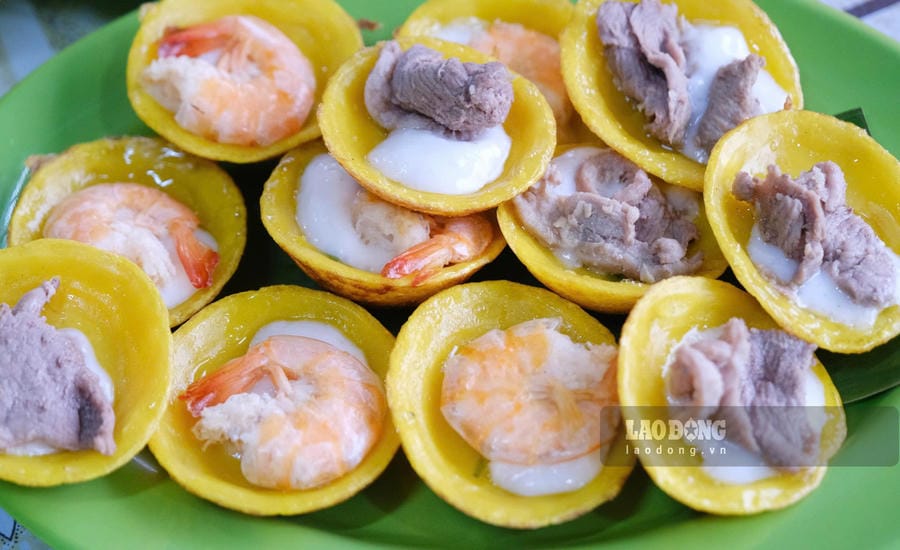
Besides the "star" banh xeo with affordable prices, diners who visit can also enjoy other unique folk cakes. A small, golden, crispy banh khot plate costs tens of thousands of VND/12 pieces, or fatty banh cong cakes all bring rich and flavorful experiences.
As the darkness gradually fell, we left Cao Lanh Banh Xeo Village with a full stomach and indescribable joy. The simple but hearty dish of the Mekong Delta people made the working trip more memorable than ever.
Sitting at the same dining table that day, Mr. Nguyen Nam (22 years old, a tourist from Can Tho City) shared: "I have been to many places and tried many types of banh xeo, but the flavor of banh xeo with Siamese duck filling served with garden vegetables in Cao Lanh brings a very special feeling, just like the way grandmothers and mothers often make it for their children and grandchildren to eat. The cake is crispy and fatty, but thanks to the garden leaves, I eat it constantly without getting bored. The price is too cheap for a quality culinary experience. Sitting and eating in a cool space by the riverbank in the late afternoon like this makes me feel relaxed, true to the Mekong Delta.