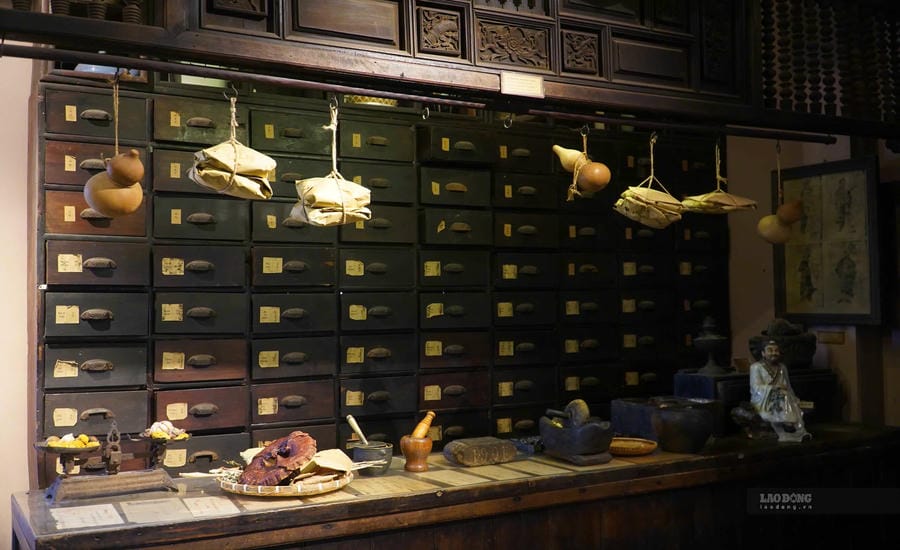
Not only visiting scenic spots, many Western tourists coming to Ho Chi Minh City are spending time learning about another slice of Vietnam: the history of traditional medicine, medicinal herbs and how ancient people treated diseases.
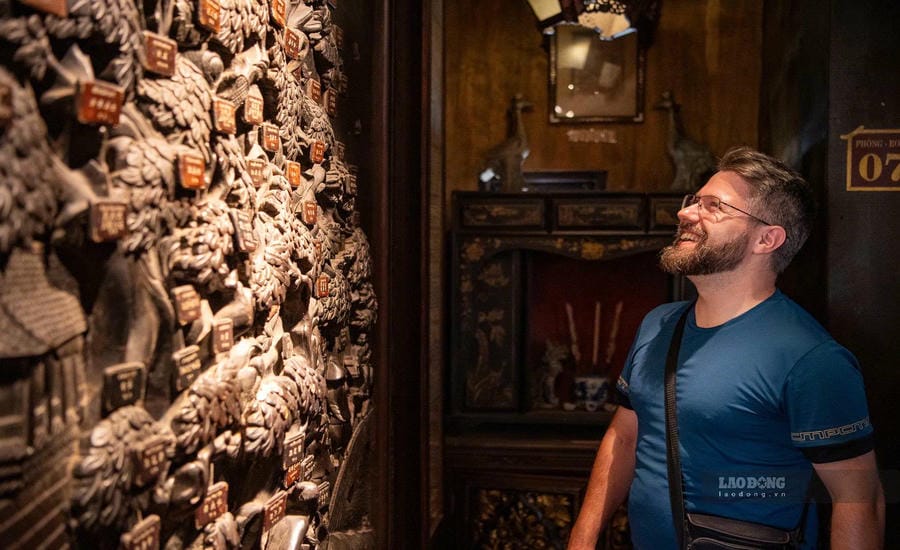
On his first visit to Vietnam, Mr. Benoit Gorce (Swiss tourist) visited the Vietnam Museum of Traditional Medicine. As a history student, he paid special attention to the story of those who laid the foundation for medicine, from the discovery of medicinal herbs to how to prepare and use them in life.
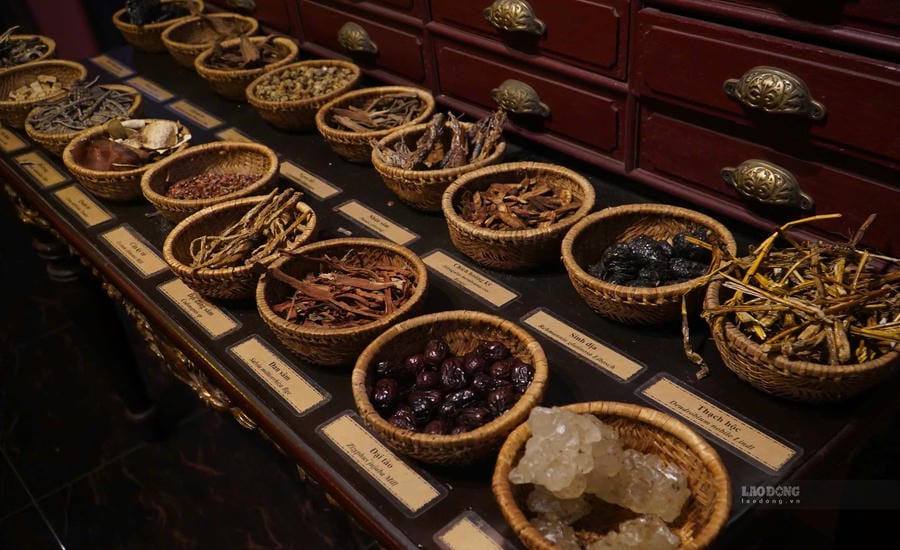
I have the opportunity to learn about Vietnamese traditional medicine, products, tools used and the history of formation and development of this medicine. What I am most interested in is the first people to discover medicinal herbs and how they apply them," Mr. Benoit said.
For Ms. Serena, a tourist from Italy, the tour started from curiosity about a medicine different from Western medicine. In Europe, Western medicine is popular, so she wanted to learn how Vietnamese people use herbs and the knowledge passed down through generations.
This is an opportunity for me to explore a completely different medicine. I am also surprised that the story of medicine is associated with Vietnamese history and the intersection with Eastern cultures," Serena shared.
According to Mr. Vu Phi Tung (guide), what surprises many foreign tourists is that medicinal herbs that are familiar in Vietnamese life such as turmeric, ginger, pennywort, perilla... are used in many different ways in traditional medicine. In the explanation, he introduces the uses of each type, from medicinal herbs used in common remedies to ingredients used to support the treatment of some diseases.
What surprises foreign tourists is that the plants they encounter every day can become medicinal herbs. When hearing about how the ancients combined, prepared and used them, many people expressed great interest, even admired because before that they did not think that such familiar things would have many uses in traditional medicine," Mr. Tung said.
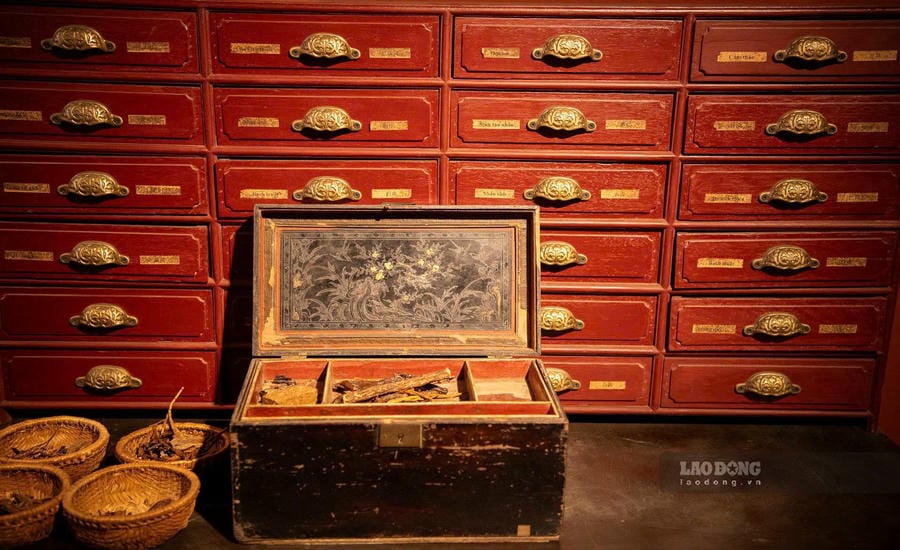
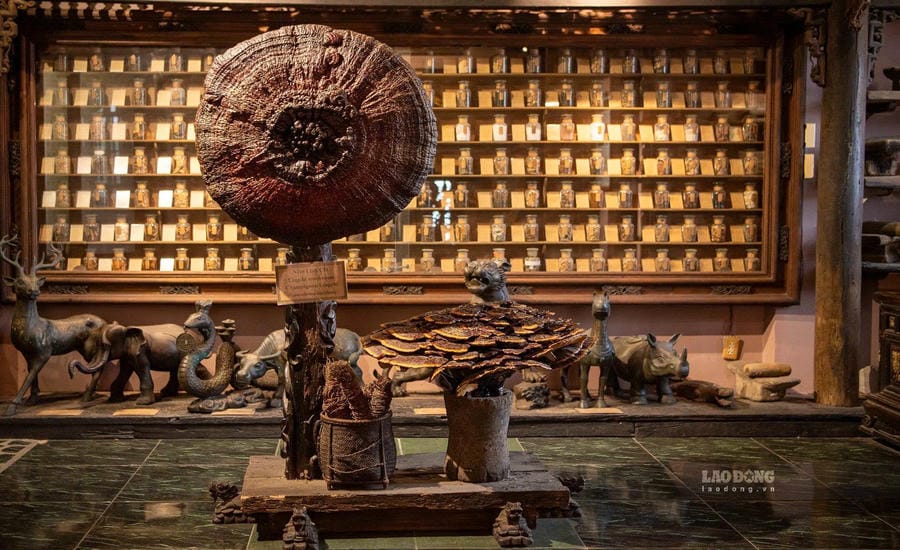
According to Mr. Tung, the museum currently welcomes about 30 visitors per day, of which about 80% are tourists from Western countries. Vietnamese visitors account for about 20%, mainly medical students and people interested in traditional medicine. Not only medicine, cultural classes present in this space also attract tourists.
In the space displaying more than 3,000 artifacts, the story of medicine is therefore not only for people working in the medical industry. For foreign tourists, it is a way to approach Vietnam from a less familiar angle.
Leaving the museum, what visitors bring with them are not only photos, but also stories from medicinal plants and healing professions that have existed through many generations.