
Lost in the kitchenware shelves at an electronics supermarket in Hanoi, Ms. Thu Huong, 30 years old, an employee of a university in Hanoi, could not help but feel confused when referring to preparing for the new kitchen of the couple. The kitchen work that was once very simple for Ms. Huong's family has completely changed since she had her first child. Since then, high-tech items with automatic features, timers or artificial intelligence have become bright spots to choose for a new kitchen.
In the increasingly hurried pace of urban life, the story of family meals is facing many challenges. In big cities like Hanoi, work pressure makes many people no longer have enough time and energy to prepare meals at home. It is in that context that technology is beginning to play a role as a solution to balance between busy life and self-care needs.
“Technology today has developed enough to make even seemingly lifeless objects in the kitchen can actively participate in preparing meals. The seemingly very simple steps such as self-made ice freezers, timer rice cookers to safe features in the kitchen have helped my family "breathe" more easily after a day of work," Ms. Huong shared with Lao Dong Newspaper.
It is easy to see that the emergence of smart kitchen systems has opened up a completely new approach to housework. No longer detached devices, modern kitchens operate like a connecting ecosystem, where devices can communicate with each other and with users.
Reduce the burden when going home
In urban areas, returning home after a long day of work often comes with the pressure of kitchen work. It is in this point that smart kitchens and AI are creating a clear difference. Instead of having to perform each step manually, users can pre-set operating scenarios so that the kitchen automatically prepares before they return.
I always want to build a seamless and automatic kitchen like in foreign movies. Fortunately, I have now bought a few smart items that can be activated with Wifi before going home," Ms. Huong excitedly said when talking about the installation of the kitchen.
A modern connected kitchen ecosystem today can allow homeowners to remotely control the device via phone or voice. Users can turn on the oven, prepare hot water or activate a smoke remover even when not at home, significantly saving waiting time and reducing pressure when starting to cook. Even, some devices only require users to provide ingredients, they will cook according to a series of recipes integrated into the computer inside.
Artificial intelligence not only participates in cooking, but also supports food management and meal planning. Currently, a series of smart refrigerators with AI can track the expiration date, suggest dishes based on available ingredients and limit waste. Thanks to that, users can still maintain their eating habits at home without spending too much time preparing.
Safety factors are also significantly enhanced. In addition to cooking utensils, sensors are capable of detecting gas leaks, smoke or electrical problems and will automatically turn off the device when needed.
AI elevates kitchens and the food industry
AI is changing the family kitchen, with innovations such as Moley Robotics' automatic chefs and smart applications that analyze food purchases to provide personalized nutrition information. Not only within the family, technology and artificial intelligence are reshaping the entire food industry. Modern commercial kitchens are increasingly becoming smart operating environments, where devices connect, data and automation coordinate to optimize efficiency.
According to Forbes data, the AI-based food technology market is expected to skyrocket to 27.73 billion USD by 2029. This growth is driven by demand for adequate nutrition, stricter safety standards, supply chain optimization and sustainability.
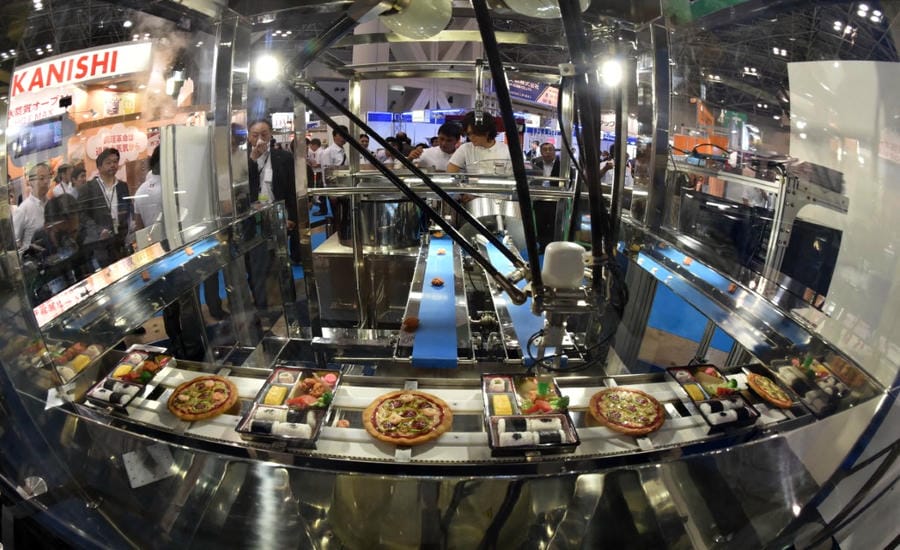
Faced with labor shortages and high employee turnover rates in the food industry, restaurants are increasingly applying automation based on artificial intelligence to increase efficiency and meet consumer convenience needs. Robot chefs using AI today can measure ingredients, shorten cooking time and ensure food safety without human intervention.
Sid Mehta - Visiting Professor at the University of British Columbia and CEO of Greenworks, predicts that "the role of artificial intelligence in promoting efficiency, sustainability and innovation in the food sector will increasingly develop".
At the JSK Robotics Laboratory at the University of Tokyo, researchers have developed a robot system capable of frying eggs according to recipes. While Aniai's Alpha Grill - a product that won the Kitchen Innovation Award in 2023, can bake 8 burgers in less than a minute with a double-sided grill and integrated self-cleaning feature.


