
The Department of Health of Dong Thap province has just issued Plan No. 2851/PA-SYT on improving the rate of medical examination and treatment with health insurance (HI) at the commune level. This is a strategic step towards rebuilding the operating mechanism of the grassroots health system in a proactive, effective and sustainable direction.
Reality shows that although the whole province currently has 102 health stations and 100% of stations have on-duty doctors, the rate of people coming for medical examination and treatment at the commune level is still low, averaging only about 15–20% of the total visits. Even many localities record rates below 10%.
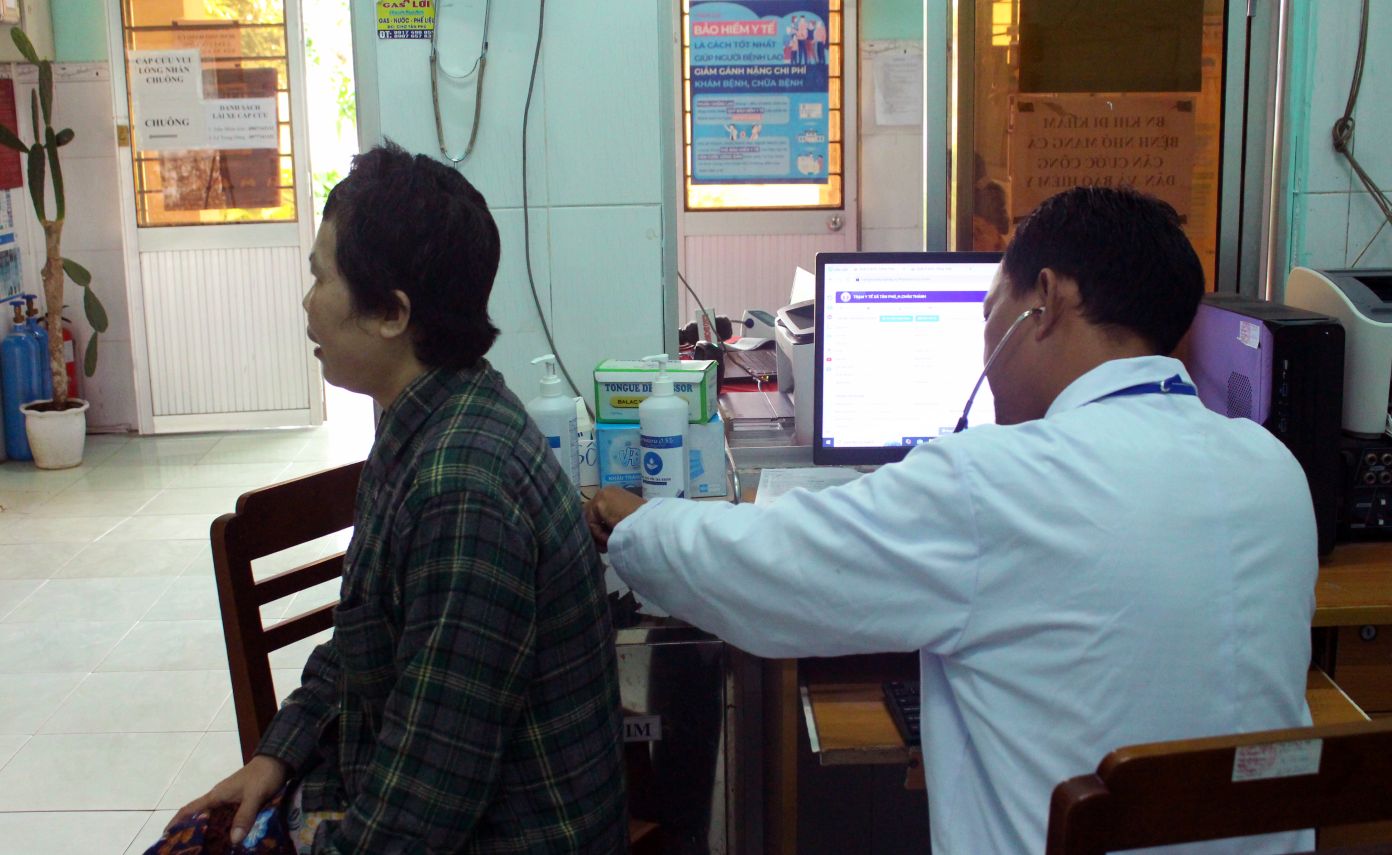
The main reason is that people tend to go beyond the level, to higher-level hospitals, including for common diseases, leading to localized overload and increasing medical costs.
Faced with this situation, Dong Thap sets a target that by the end of 2027, the health insurance examination and treatment rate at commune health stations will reach at least 20% and strive to reach 23% or more by 2030. To realize this goal, the health sector is implementing many synchronous solutions. In which, the focus is on ensuring the full supply of medicines and medical supplies; expanding the technical list suitable to the capacity of each station.
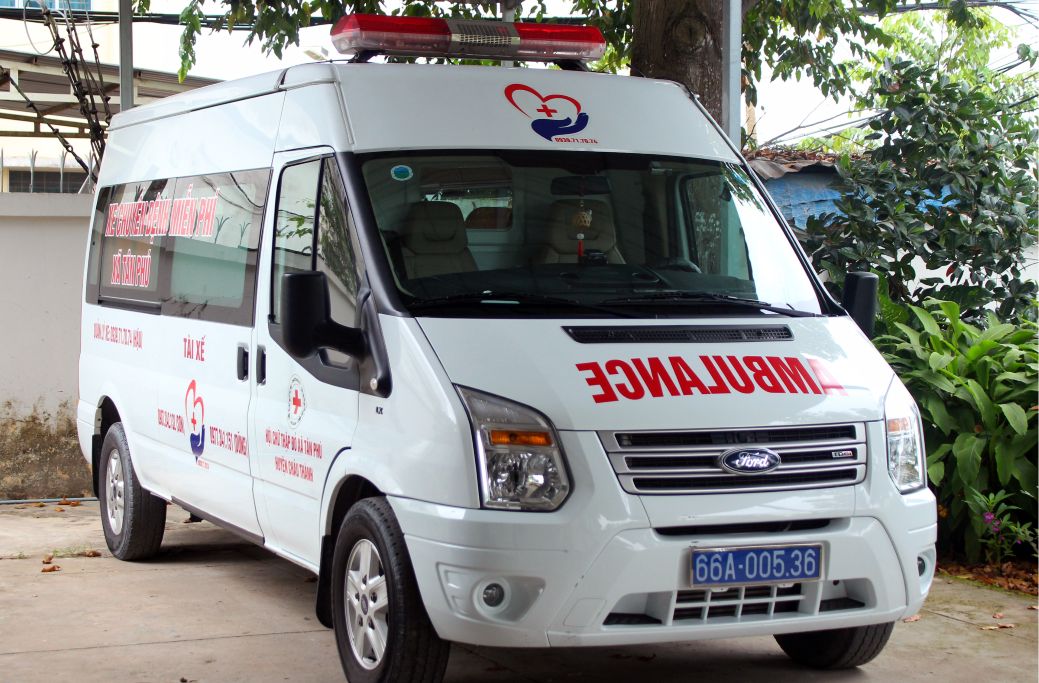
Health stations will also proactively review, make lists and manage periodic treatment for people with non-communicable diseases such as hypertension, diabetes, and chronic obstructive pulmonary disease (COPD) right in the community, thereby reducing pressure on upper levels.
In parallel, the development and management of electronic health records is promoted, ensuring timely updates and inter-connection with social insurance agencies, contributing to improving the efficiency of management and settlement of medical examination and treatment costs.
Regarding infrastructure and human resources, the provincial health sector will comprehensively review the system, develop medium-term investment plans to upgrade and repair degraded stations; and at the same time supplement essential equipment such as echocardiogram machines, ultrasound machines, testing equipment and respiratory function measuring machines.
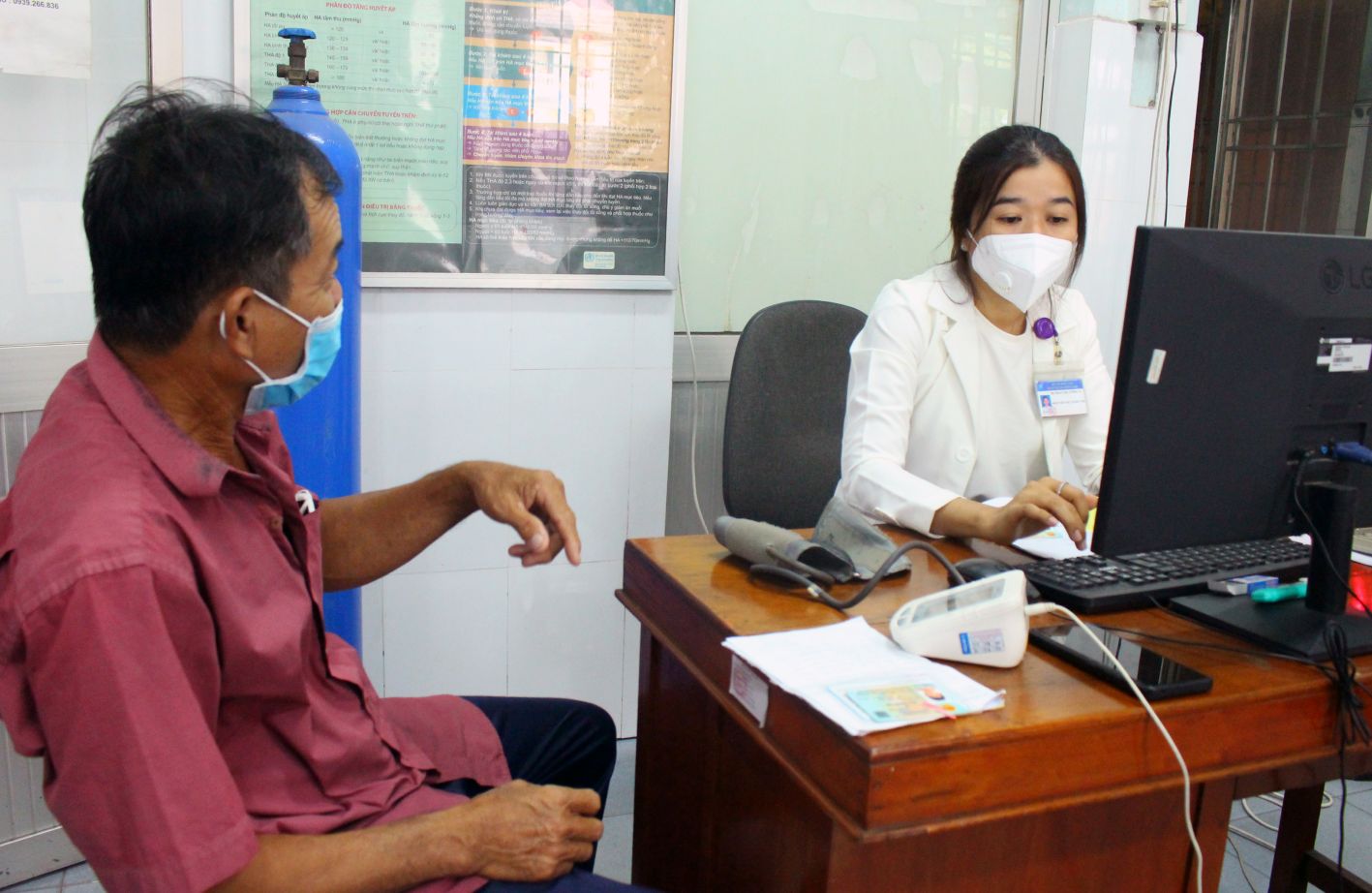
Training work is also strengthened through rotating doctors from the provincial level to support the commune level, combining the application of technology in remote consultation for difficult cases.
Notably, the plan clearly stipulates the responsibility of the commune-level People's Committee in including health insurance medical examination and treatment targets in the socio-economic development tasks of the locality; and at the same time directly directs the operation and mobilizes resources to support the operation of the health station.
The synchronous involvement of the entire political system is expected to promote the "gatekeeper" role of grassroots healthcare, contributing to the effective use of the health insurance fund and improving the quality of people's health care.


