
On the sidelines of the World Meteorological Day (March 23), Mr. Mai Van Khiem - Director of the National Center for Hydro-Meteorological Forecasting, Department of Hydro-Meteorological Forecasting shared about the pressure of forecasters in strong storms or complex natural disasters.
Extreme natural disasters, pressure on accuracy
According to Mr. Khiem, in situations of strong storms or complicated natural disasters, pressure on forecasters is clearly shown in many aspects simultaneously: expertise, time, social responsibility and professional psychology.
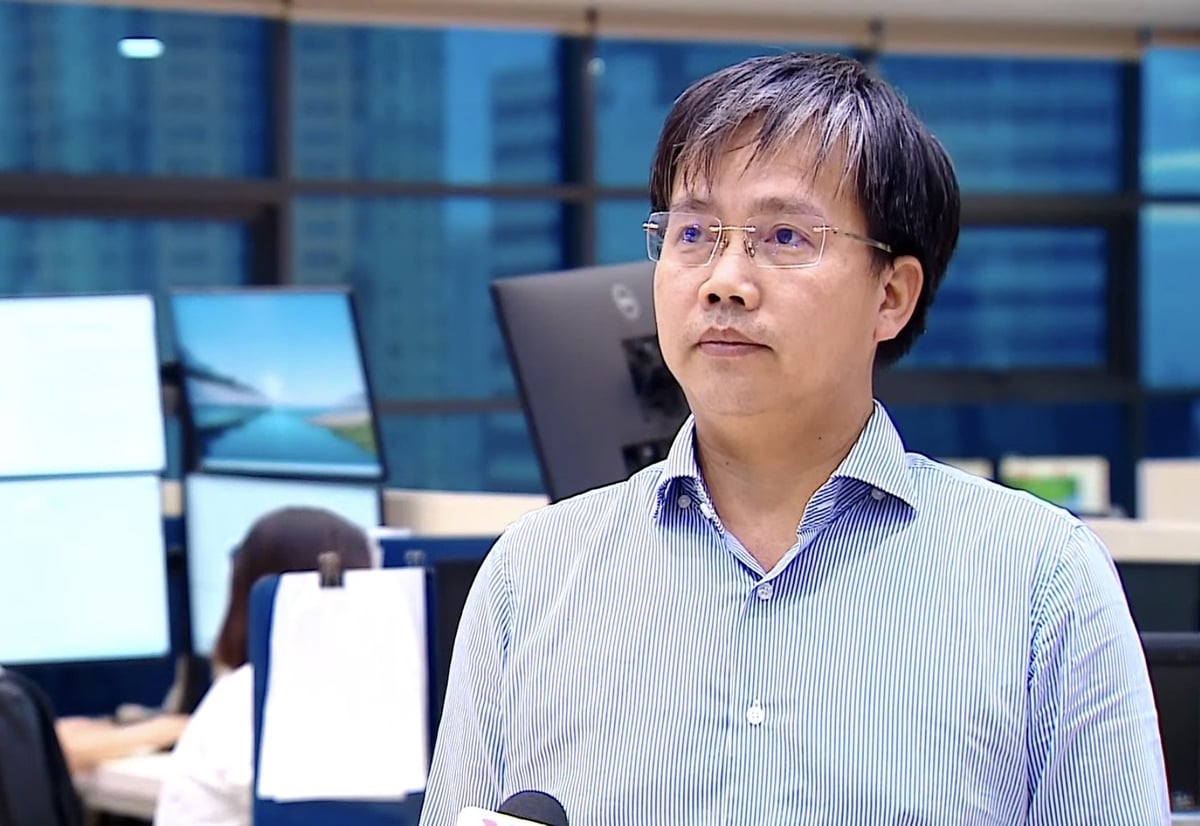
First of all, the pressure of accuracy in uncertain atmospheric conditions is high. When strong storms appear, especially storms with rapid intensification, orbital errors and actual intensity and between numerical models (NWP) are often largely scattered.
Forecasters must continuously analyze and compare products from many sources (ECMWF, GFS, HWRF...), misjudge systems (Bias) and select optimal scenarios in a very short time. Each decision to adjust the orbit by a few tens of kilometers or change the wind level can lead to impacts, and response work will change greatly, such as for evacuation, reservoir operation or disaster response force arrangement.
Second is the pressure of time and high working intensity. When storms/tropical depressions impact with strong intensity and complex developments, forecasters must make continuous and updated forecasts every hour.
During the storm peak, forecasters often work in an enhanced 24/24 hour duty regime, updating bulletins every 1-3 hours, and at the same time must process large volumes of radar, satellite, real-time monitoring and model data.
The continuity of information requires the ability to maintain high concentration for a long time, while actual developments can change rapidly, we constantly have to update to make the earliest and most accurate forecasts, and in addition to the pressure of expertise, we also bear the pressure of public opinion" - Mr. Khiem shared.
Forecast adjustment and updates are necessary but may be scrutinized
The director of the meteorological agency also confided about the pressure of social responsibility and communication. According to Mr. Khiem, forecasters must not only provide technical information but also ensure clear and easy-to-understand warning messages, avoid causing confusion but also not underestimate risks.
In the context of social networks spreading information quickly, many multimedia platforms reporting, all small deviations or forecast adjustments can be scrutinized, creating more psychological pressure for forecasters; for forecasters, we are very afraid of the sentence: The State pays to feed but forecasts are wrong, not as good as forecasts on the internet, Tiktoker online analysis" - Mr. Khiem said.
Finally, there is the pressure of professional ethics and potential consequences. Each issued newsletter can directly affect lives, property and government management decisions. This sense of responsibility keeps forecasters in a state of high caution, sometimes prolonged tension, especially when natural disasters cause great damage even though forecasts have been made according to professional procedures.
Mr. Khiem said that this is a professional characteristic that requires not only solid hydrometeorological analysis capacity but also the ability to withstand pressure and coordinate operations effectively.
The theme of this year's World Meteorological Day, "Today's Monitoring, Tomorrow's Protection", is a call for action. The United Nations Secretary-General called on governments, developed banks and the private sector to strengthen support for the global monitoring backbone, from surface stations to satellites, ensuring data is shared publicly and fairly.
Investing in observation will bring many times more benefits - helping to strengthen peace, security, resilience and sustainable development. By observing today, we can protect the future for people, for the planet, for prosperity and for future generations.


