
On the morning of May 22, Mr. Tran Thanh Phong - Director of the Construction Project Management Board of Bao Lam Area (Lam Dong) said that the unit has completed the treatment of more than 7,000 tons of domestic waste accumulated at the Bao Lam 4 commune landfill.
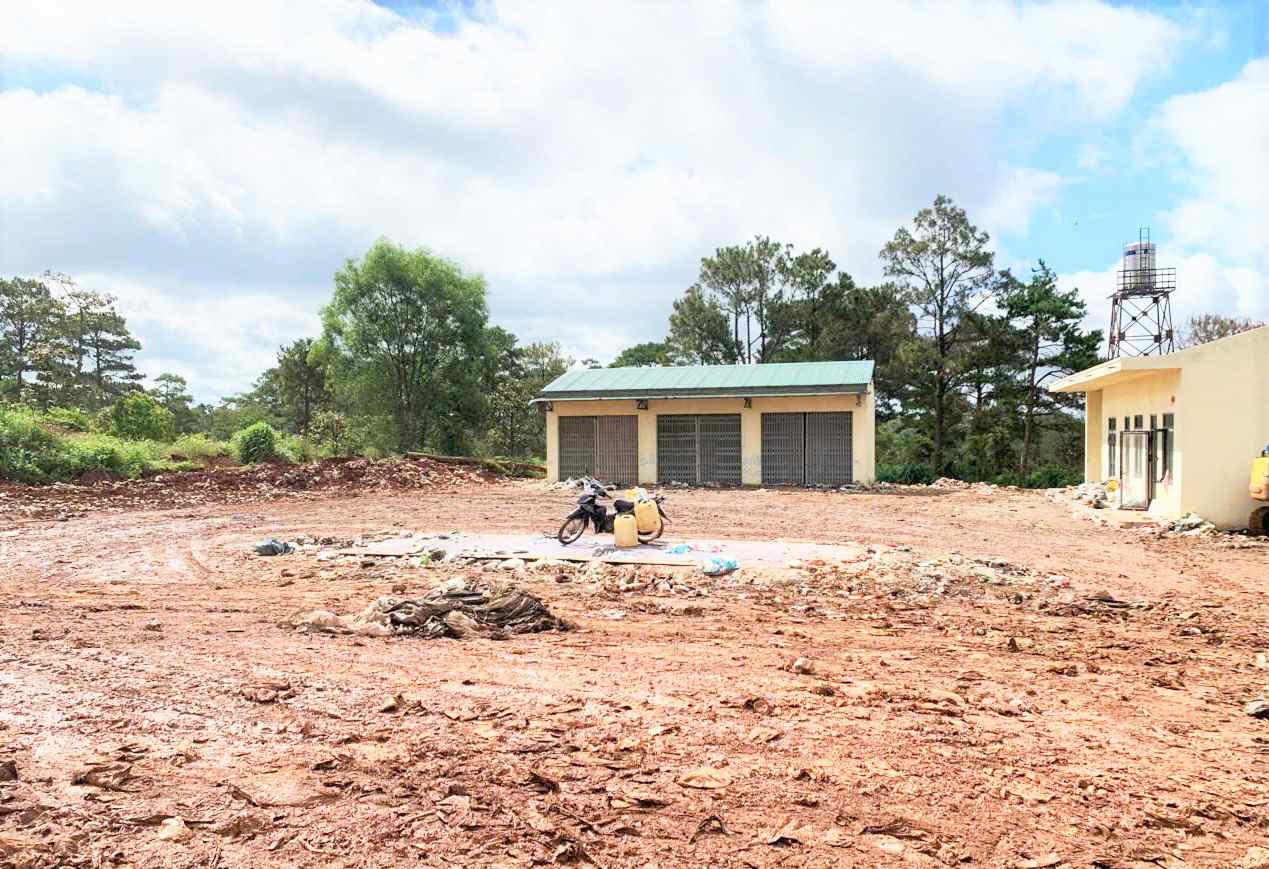
According to Mr. Phong, in 6 consecutive days, the unit mobilized 4 excavators, 4 dump trucks and many workers working day and night to collect, transport and treat the accumulated waste.
All waste is put into pre-built burial pits, and treated with lime powder and deodorizing solution to ensure environmental hygiene according to regulations.
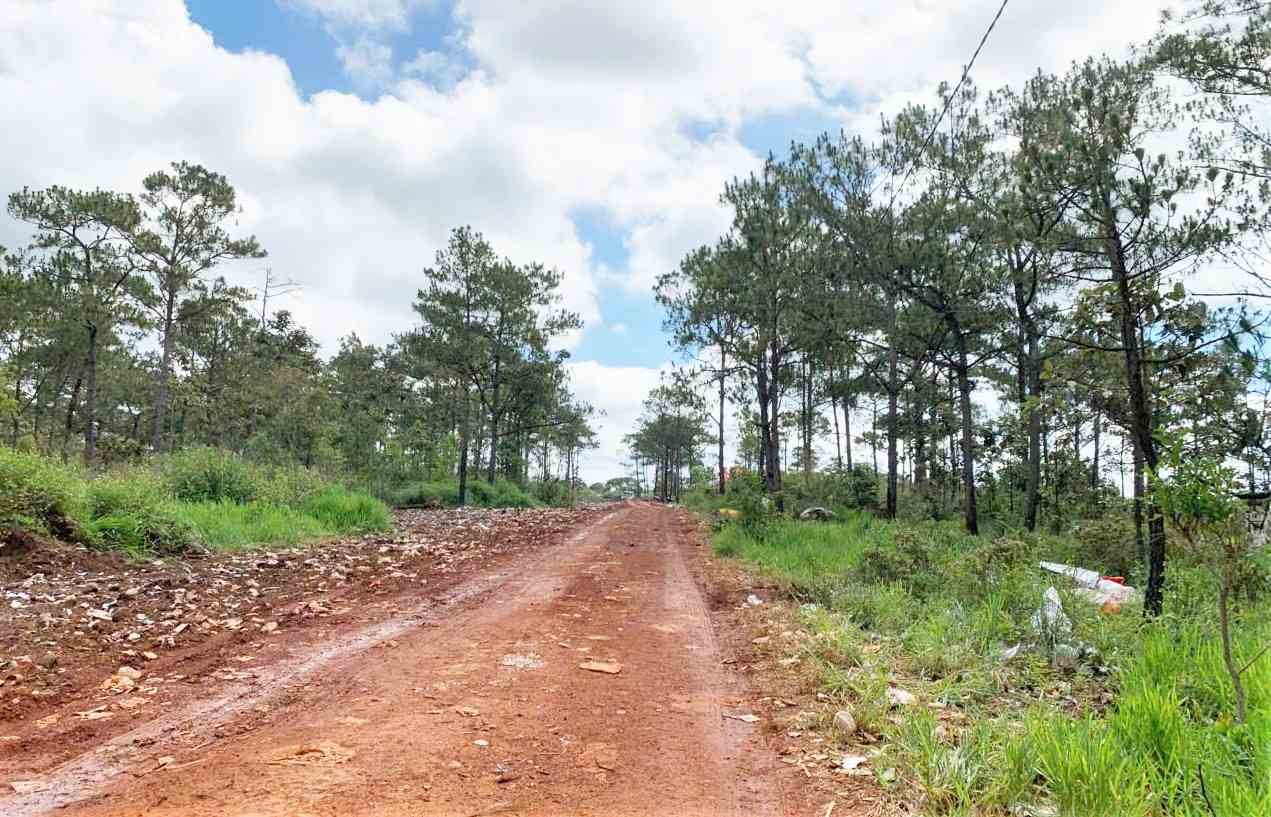
Real-world records show that areas where garbage once accumulated such as internal roads, backup yards and the operating house area have been cleaned up. The unit also sprayed chemicals to disinfect the entire garbage dump area.
Currently, the Bao Lam Area Construction Project Management Board is continuing to work with localities to agree on a plan to receive and handle the amount of waste generated daily to limit prolonged stagnation.
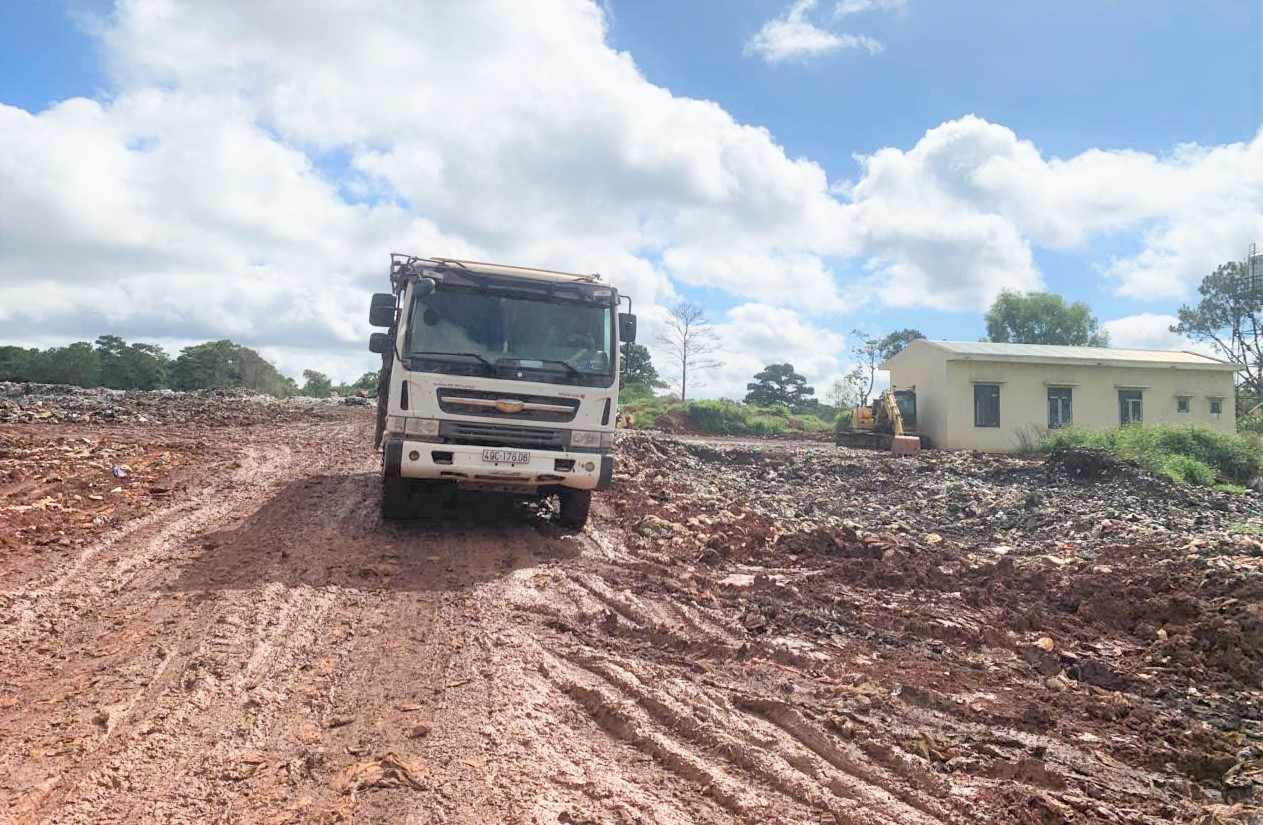
However, according to Mr. Tran Thanh Phong, so far the unit has not been allocated waste treatment funds, and all costs are still to be temporarily advanced to pay for labor, rent vehicles and purchase materials for treatment.
Previously, Lao Dong Newspaper reflected the situation of overloaded centralized landfills in Bao Lam 4 commune, for many consecutive months garbage was not buried in time but dumped indiscriminately outside the prescribed area.
This situation causes the road to the landfill to be filled with garbage, emitting a foul odor, seriously affecting the lives of people in the surrounding area.
Waste is still accumulated in many localities of the old Bao Lam district, especially in Bao Lam 1 commune, causing environmental pollution and unsightliness.
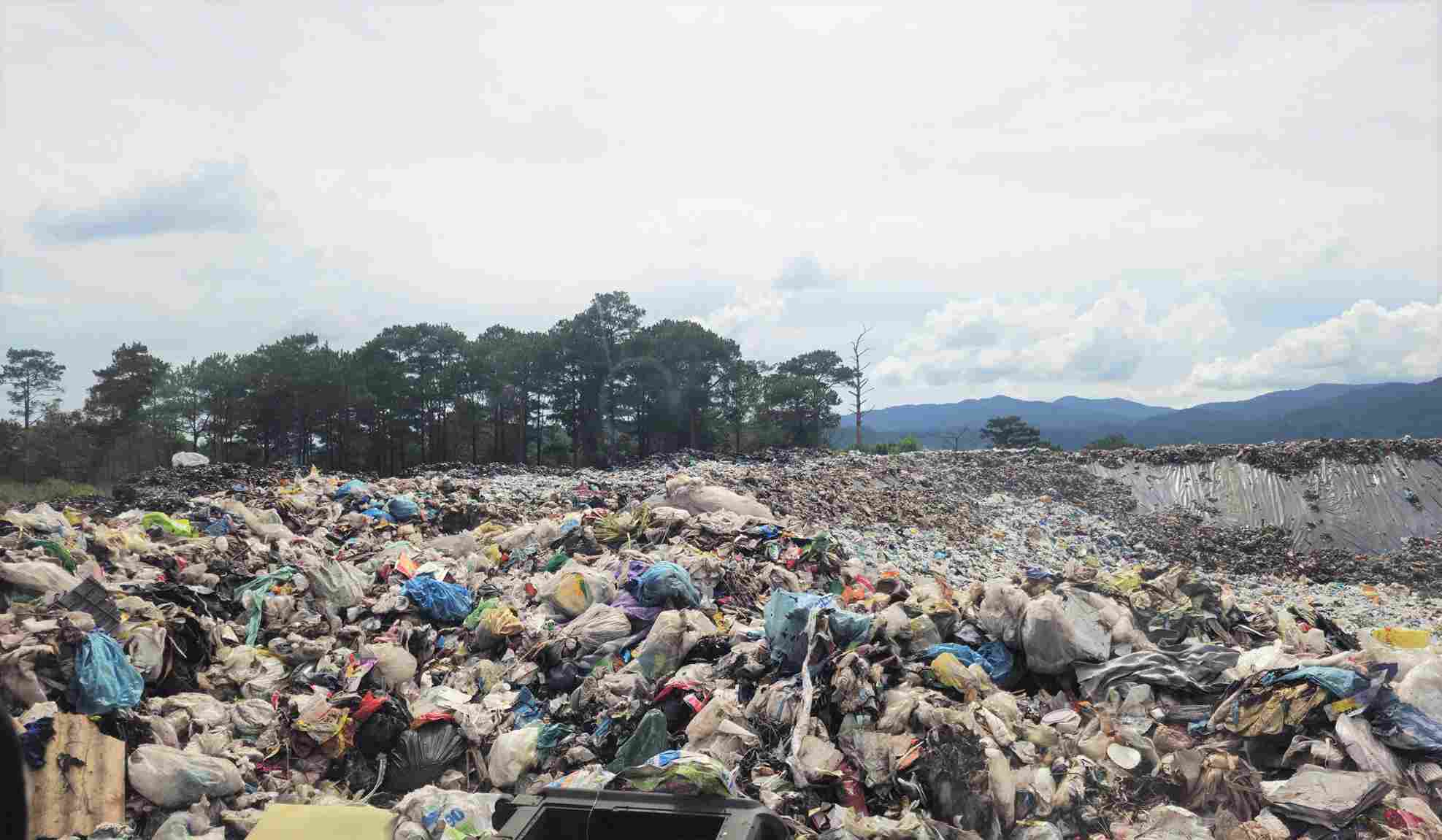
Regarding the incident, Lam Dong Provincial Police are coordinating with relevant units to cordon off the scene, statistically count the amount of accumulated waste and collect documents to serve the investigation and verification work.
Functional agencies also assess the level of environmental impact and clarify the responsibilities of relevant organizations and individuals if violations are detected.


