
Risk of water source degradation
It is forecast that due to the impact of El Nino, in the last months of the year, especially the main months of the rainy season such as October, November and even December, rainfall may be less than the multi-year average in many areas. Analyzing the laws and climate impacts of El Nino, Mr. Mai Van Khiem - Director of the National Center for Hydro-Meteorological Forecasting said that in the context of strong El Nino activity, total rainfall over a wide area in some areas tends to decrease significantly, which may lead to water shortages.
Rainfall in this year's rainy season will be less than every year. The rainy season in most areas may end early. This may affect the management, regulation of water sources, and distribution of water sources to serve agricultural production plans, especially in the 2026-2027 dry season" - Mr. Mai Van Khiem emphasized.
According to assessments from the Department of Water Resources Management (Ministry of Agriculture and Rural Environment), it is expected that the flow shortage on rivers may be approximately or higher than two typical years (2015-2016 and 2019-2020). The flow shortage on rivers and streams is about 15% to 78% compared to the multi-year average. In particular, the South Central Coast and Central Highlands regions are at higher risk, especially the Se San, Sre Pok, Ba, Vu Gia - Thu Bon, and Tra Khuc river basins.
Proactively store water early and remotely
Vietnam currently owns a total water volume of about 844 billion m3/year, but up to 60% depends on water sources from outside the territory. In the past 50 years, the amount of water exploited has increased from 3 to 4 times, expected to reach about 117 billion m3/year by 2030. When El Nino occurs, the pressure of domestic water shortage will weigh heavily on more than 29 million people in the Red River, Ma River, Ca River basin and a series of large cities such as Da Nang, Tuy Hoa, Quang Ngai or key economic areas in the Dong Nai River basin.
Faced with this risk, Mr. Ngo Manh Ha - Deputy Director of the Department of Water Resources Management (Ministry of Agriculture and Environment) said that learning from previous drought and salinity waves shows that proactiveness in forecasting and regulation is a decisive factor.
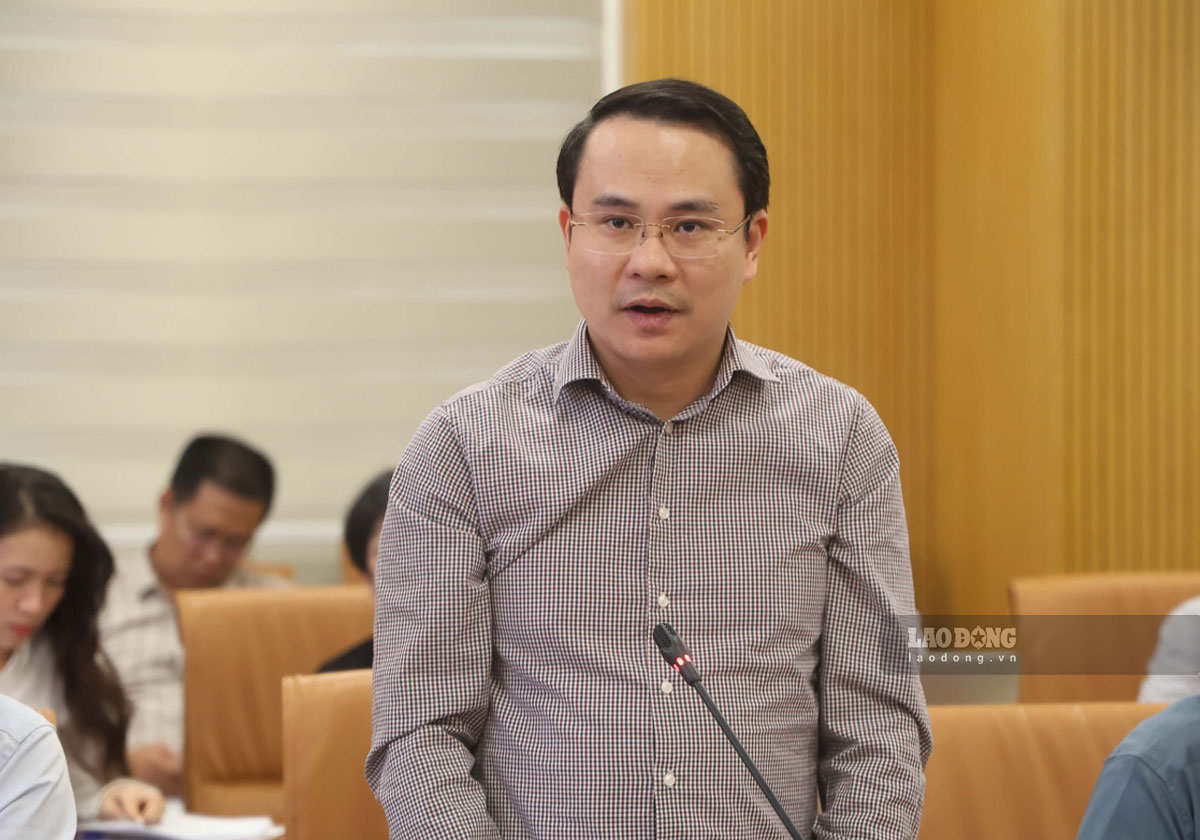
If in the period 2015-2016, due to not being proactive early, the scope of impact of saline intrusion was relatively large, then in the period 2019-2020, thanks to early warnings and proactive operation of the irrigation system to prevent saltwater intrusion, damage has been significantly reduced. Therefore, right from the current flood season of 2026, the top priority solution is to proactively store safe water in reservoirs to create reserves for the dry season months of 2027," Mr. Ngo Manh Ha said.
Responding according to 13 river basin scenarios
Not only affecting daily life and agriculture, El Nino also directly threatens energy security.
Assessing the link between water security and economic development, Deputy Director of the Department of Water Resources Management Ngo Manh Ha emphasized that ensuring water resources is not only for domestic use or agricultural cultivation, but also directly related to power generation capacity and the safety of the national power system - the foundation for achieving socio-economic development goals.
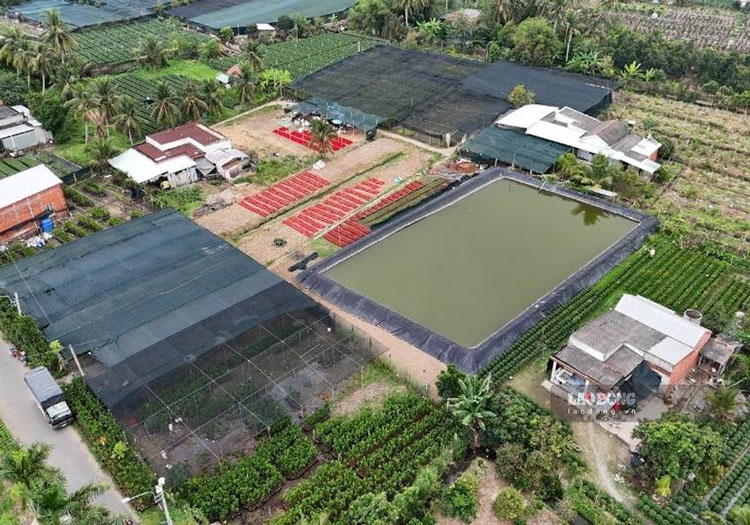
Mr. Ha also said that the Director of the Department of Water Resources Management is closely coordinating with meteorological, hydrological and irrigation agencies to develop 13 water source scenarios on 13 major river basins. Based on the amount of water accumulated at the end of the year, the management agency will issue documents urging and assigning specific tasks to each locality, each water plant, irrigation works and hydropower plant to regulate optimally.
The work of responding to El Nino and protecting water security requires the synchronous involvement of the Ministry of Agriculture and Rural Development, the Ministry of Industry and Trade, the Ministry of Construction and the authorities of provinces and cities. Preparing water distribution scenarios early is a solid "shield" to help proactively overcome disaster pressure, ensure people's lives and economic stability.


