
On April 14, Hoan My Cuu Long Hospital said that baby girl N.T. H. T. (9 years old, in Can Tho City) was taken by her family for examination because she often complained of fatigue, nervousness and chest tightness when exercising and playing with friends. Through examination and in-depth paraclinical tests, doctors determined that she had congenital atrial septal defect.
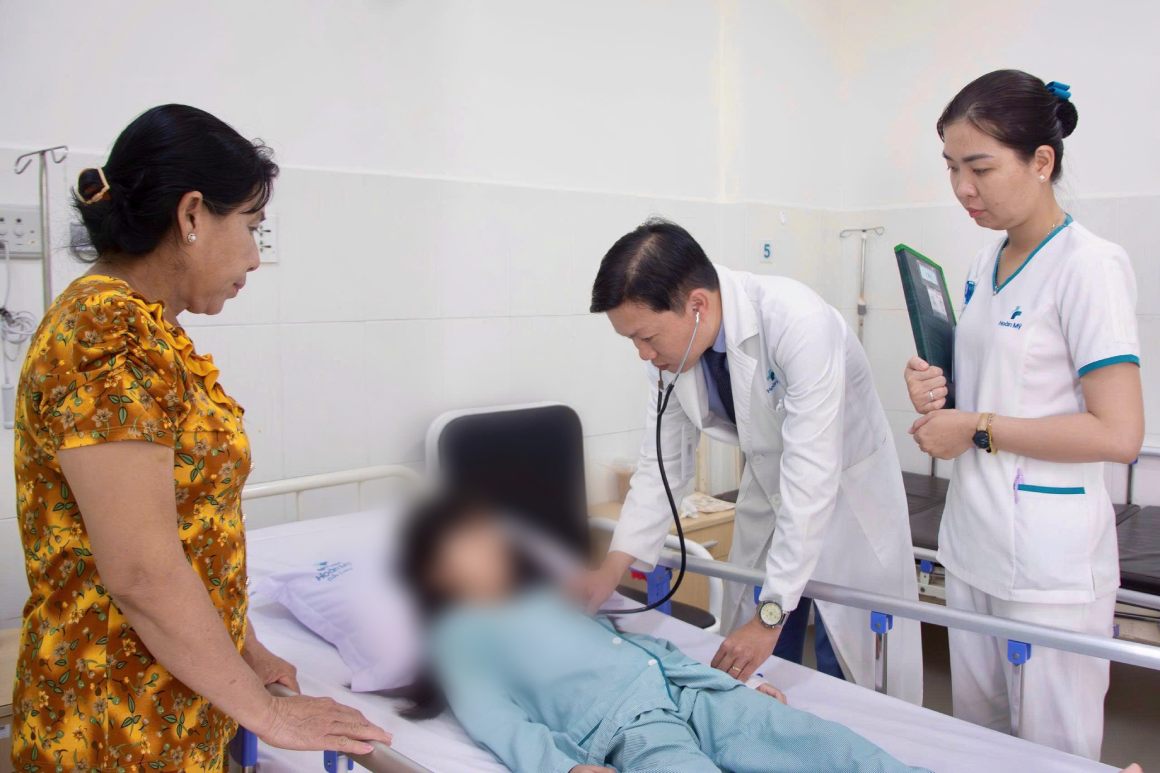
It is known that the girl's family is in difficult circumstances, her mother works as a janitor and helper, with unstable income. Previously, when consulted for treatment, the family was worried because the intervention costs were large and exceeded their ability to pay.
After a professional consultation, the cardiovascular team decided to intervene to close the atrial septal defect with a catheter intervention method - a minimally invasive technique that limits scarring, helps shorten recovery time and prevents complications of the disease.
The intervention process took place smoothly. After treatment, the patient's health improved significantly, and the indicators were stable. The child was discharged from the hospital after 24 hours and continued outpatient monitoring according to the doctor's instructions.
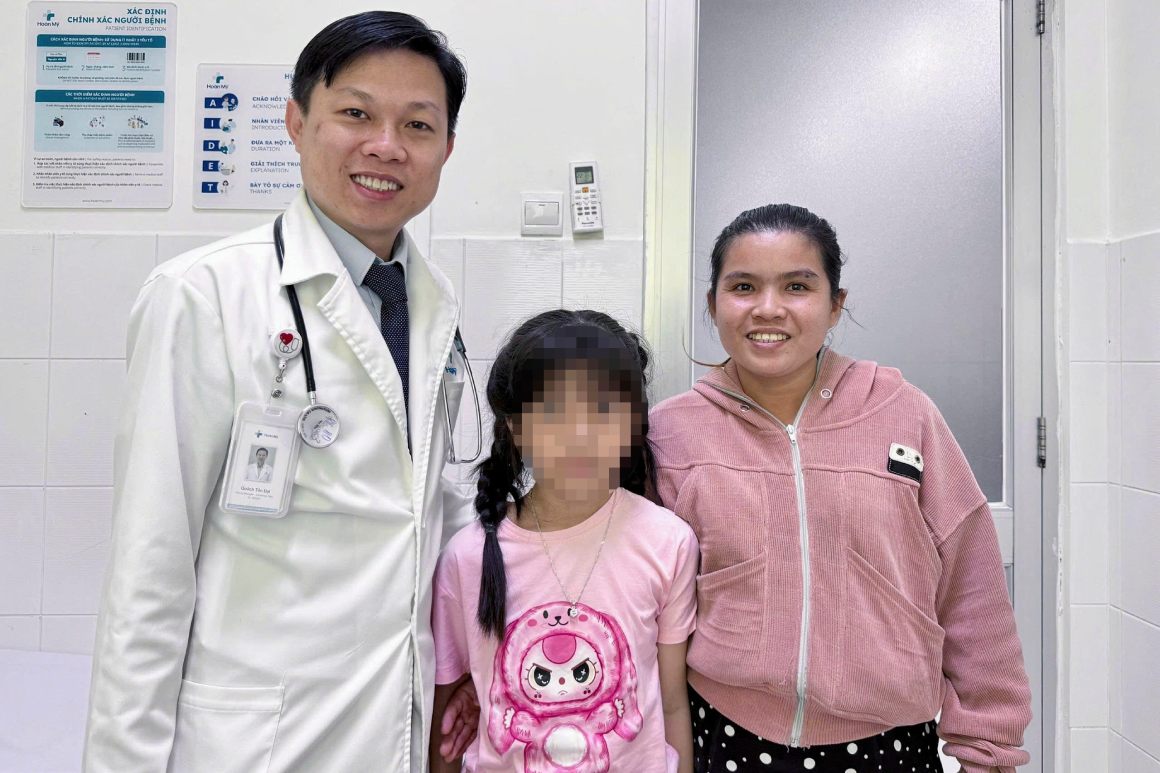
According to the hospital, the treatment cost after paying health insurance is about 30 million VND. All of this cost has been paid by the hospital and support sources, helping the family to be assured for their child to be treated in time.
Sharing after her child was treated, baby T's mother choked up and said: "The family is hired, so the economy is very difficult. When I knew my child needed treatment with high costs, I was very worried, sometimes thinking if I couldn't afford it, I would have to accept it. Fortunately, the hospital and charities supported my child to be treated, now that my child is healthy, my family is truly grateful.
MSc.BS. Quach Tan Dat - Deputy Head of Cardiovascular Internal Medicine - Endovascular Intervention Department (Hoan My Cuu Long Hospital) said that interauricular septal defect is a common congenital heart disease but is easily overlooked due to unclear symptoms in the early stages.
If not detected promptly, the disease can cause dilated chambers, pulmonary hypertension and long-term effects on children's health. Screening helps detect the disease early and intervene at the right time, thereby improving treatment effectiveness.


