
To let children make mistakes and learn from failure
According to Alanna Gallo - a child education expert (USA), many parents tend to protect their children from difficulties or failures. However, letting children experience mistakes that are appropriate for their age is an effective way for children to grow up.
When children forget to bring umbrellas on rainy days or do not prepare carefully before a test, parents should consider it an opportunity for their children to learn from experience instead of scolding. Practical experiences help children understand that mistakes are part of the learning and development process.
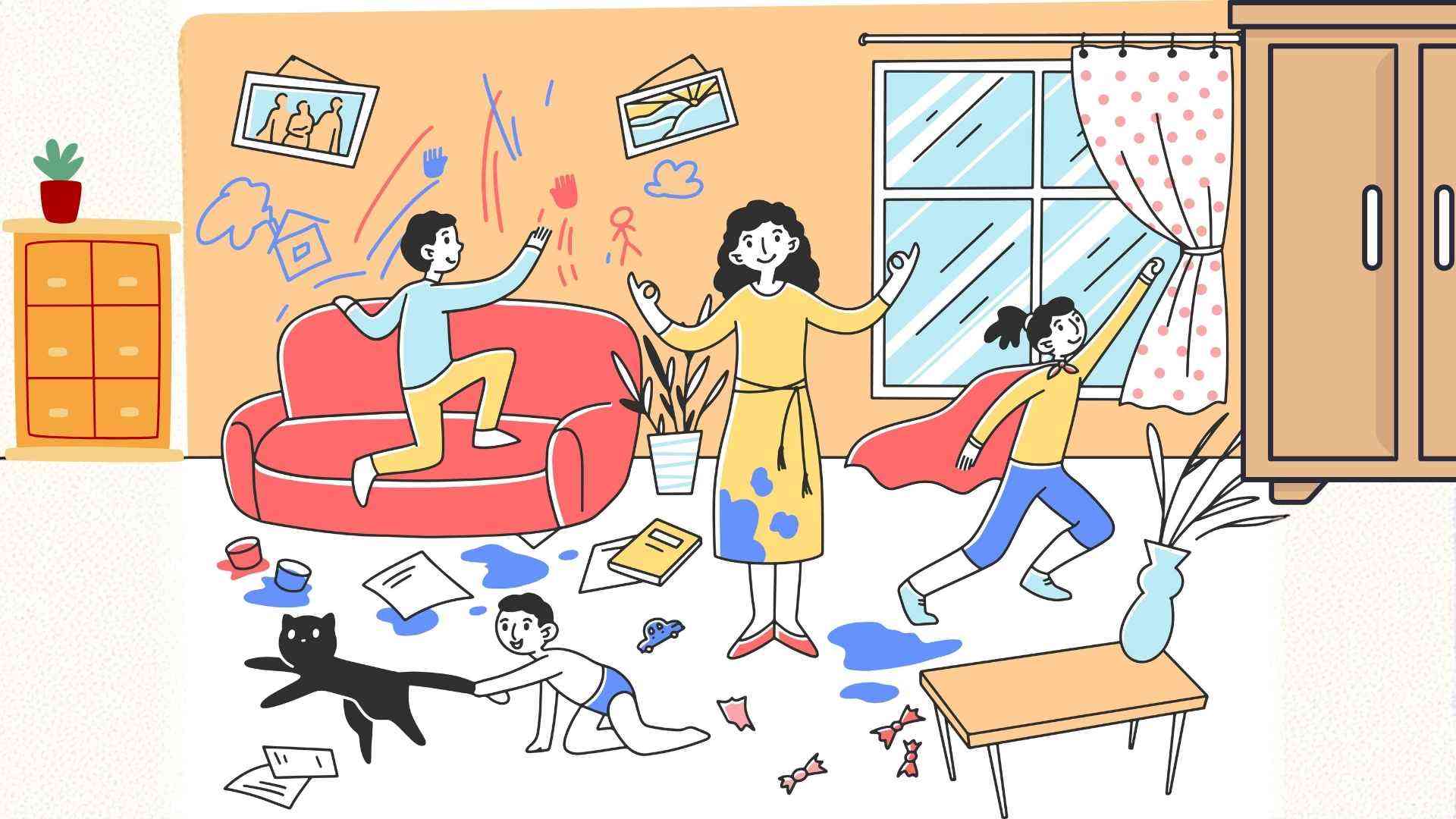
Give children appropriate housework
Simple things like tidying up toys, arranging study corners, putting clothes away, or helping prepare meals can all help children develop a sense of responsibility.
When participating in the common tasks of the family, children will feel like a useful member, and at the same time learn organizational and proactive skills in life.
Giving children the right to choose within safe limits
Being able to make decisions on their own helps children build confidence and responsibility.
Parents can start with simple choices such as choosing clothes to wear during the day, choosing food, or deciding between two activities. It is important to limit choices to the appropriate range so that children are not overloaded and still ensure safety.
Create space for children to explore for themselves
Children need private space to learn and develop independent skills. Instead of always being close, parents can let their children play on their own, resolve small conflicts with friends or siblings before intervening.
These experiences help children train their ability to handle situations, independent thinking and confidence when facing challenges.
Limit excessive intervention or error correction
When children do something on their own, the results may not be perfect. However, parents constantly editing or redoing it will make children lose motivation and feel that they are not good enough.
If your child cleans the bed, folds clothes, or completes a task in their own way, acknowledge the effort before giving advice. What children need is a chance to practice, not perfection.
Design an environment suitable for children
A scientifically arranged space will help children easily do everything themselves. School supplies, clothes, books, or personal items should be placed in a place where children can take and store them themselves.
When the living environment is designed to suit the height and ability of children, they will be more proactive in daily activities without having to rely too much on adults.
Nurturing self-reliance from the smallest things
Education experts believe that the goal of raising children is not to create a perfect child but to help children become confident, responsible adults who know how to adapt to life.
Simple habits such as letting children choose for themselves, doing housework for themselves or solving small problems each day can become an important foundation to help children develop independence and bravery in the future.


