
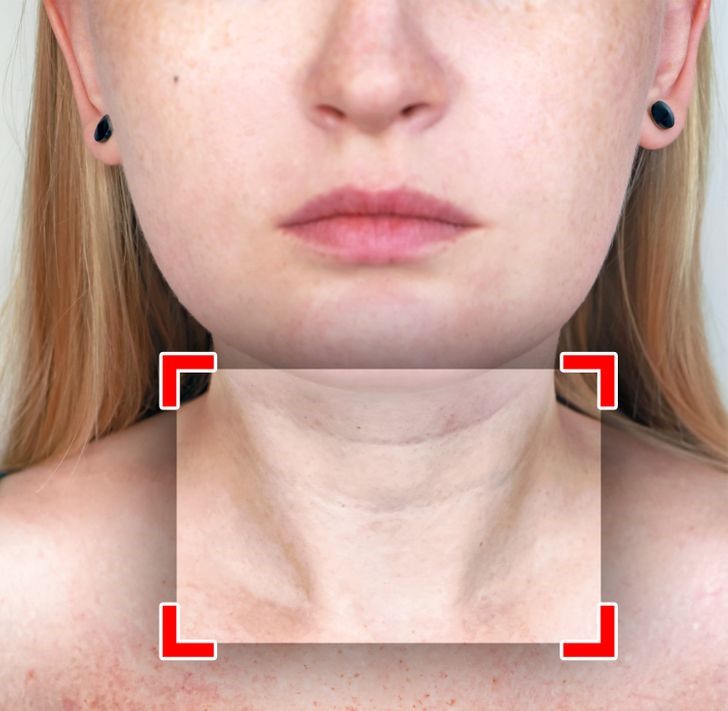
Phụ nữ sau khi mãn kinh sản xuất ít estrogen hơn nhu cầu của cơ thể để duy trì độ bền bỉ dẻo dai của xương. Nếp nhăn sâu ở cổ là một dấu hiệu đáng lo ngại cho thấy xương đang trở nên giòn hơn hoặc loãng xương. Điều này có nghĩa là nguy cơ gãy xương cao hơn nhiều. Bạn cần bổ sung canxi và vitamin D. Những nếp nhăn này cũng có thể tiết lộ rằng bạn nên kiểm tra hoạt động của tuyến giáp . Nếu tình trạng tiếp tục trở nên tồi tệ hơn và không được điều trị, nếp nhắn này có thể bắt đầu xuất hiện ở các vùng khác.
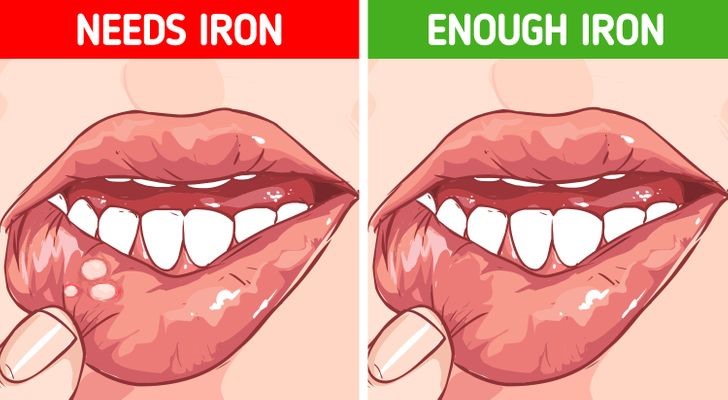
Những lý do phổ biến nhất cho sự xuất hiện của vết loét là hút thuốc, dị ứng, vô tình cắn vào lưỡi hoặc bị viêm. Tuy nhiên, nếu bạn không phải trường hợp nào kể trên mà vẫn xuất hiện vết loét này thì có thể bạn đã bị thiếu vitamin-B12, sắt hoặc folate. Việc thiếu hụt không gây ra hậu quả một sớm một chiều mà âm thầm khiến sức khoẻ xấu đi. Một số dấu hiệu cảnh báo khác có thể là mệt mỏi, chóng mặt, nhịp tim không đều và yếu cơ. Bạn sẽ phải thay đổi chế độ ăn uống và bổ sung các chất cần thiết còn thiếu.
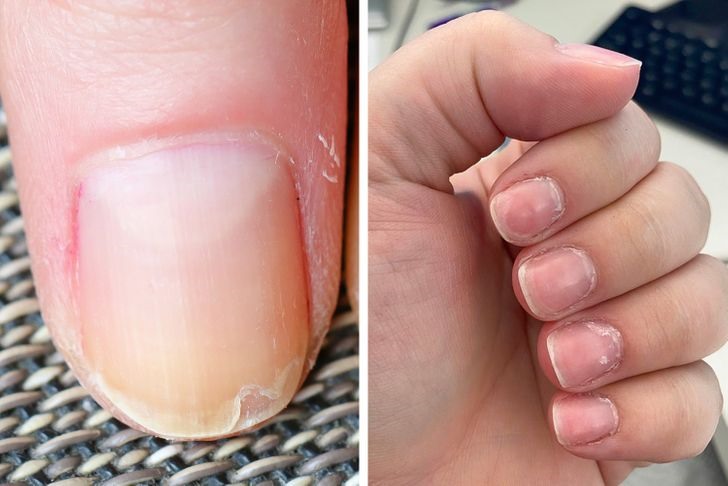
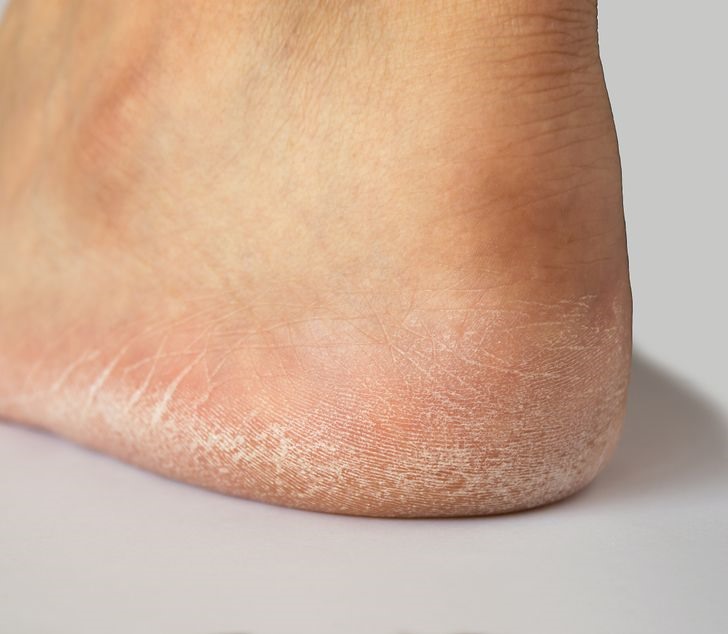
Gót chân nứt nẻ có thể do khô da, thời tiết lạnh hoặc do bạn đứng nhiều giờ mỗi ngày. Tuy nhiên, chúng có thể là dấu hiệu của các vấn đề nghiêm trọng hơn, chẳng hạn như bệnh chàm, suy giáp và tiểu đường. Bạn có thể xử lý gót chân bằng cách ngâm chúng trong nước xà phòng trong 20 phút và chà chúng bằng bọt. Sau đó, bạn sẽ cần thoa một loại kem dưỡng ẩm có thành phần axit lactic, dầu jojoba hoặc bơ. Nếu các phương pháp điều trị tại nhà không cải thiện tình trạng gót chân, bạn cần đến gặp bác sĩ thăm khám, kê đơn.
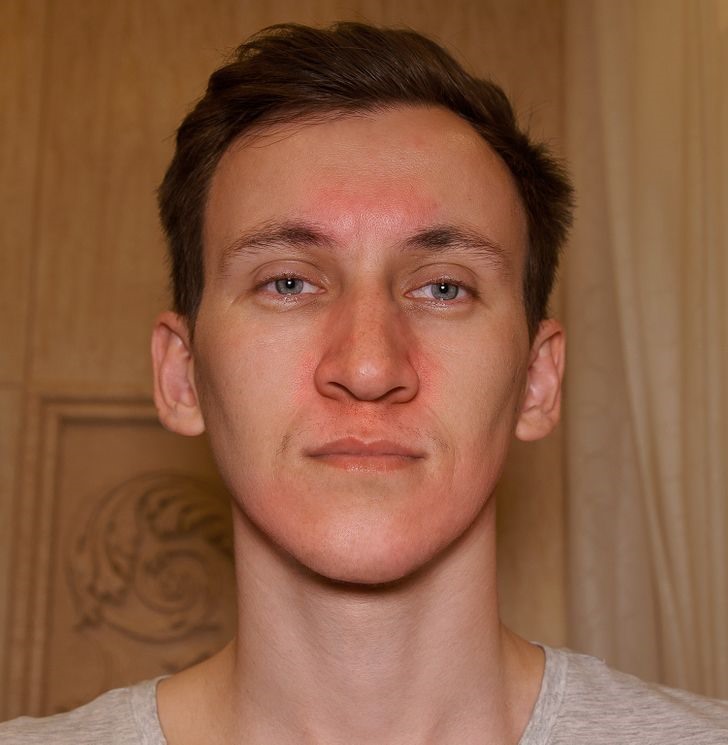
Tình trạng ửng đỏ da thường gặp ở những người trên 30 tuổi và có làn da trắng. Một số dấu hiệu phổ biến nhất là mặt đỏ bừng, mẩn đỏ dai dẳng, nổi da gà và nổi rõ các mạch máu. Các dấu hiệu khác ít phổ biến hơn bao gồm kích ứng mắt, sưng tấy. Cách điều trị bệnh này là dùng thuốc bôi và thuốc uống mà bác sĩ sẽ kê đơn. Trong những trường hợp nghiêm trọng hơn, bác sĩ có thể sử dụng phương pháp điều trị bằng laser.
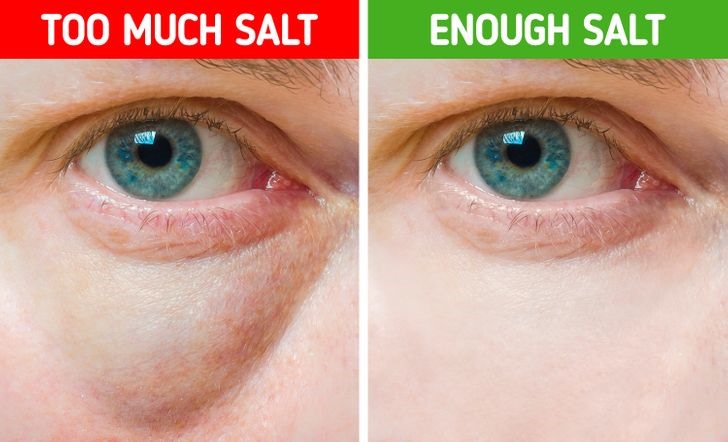
Nếu bạn không bị nhiễm trùng và không bị dị ứng mà vẫn sưng mắt, thì nguyên nhân phổ biến nhất là do tiêu thụ quá nhiều muối. Điều này dẫn đến việc lượng nước bị giữ lại trong cơ thể và khuôn mặt của bạn sưng nhiều hơn, bao gồm cả vùng da dưới mắt. Bạn sẽ cần phải cắt giảm lượng muối tiêu thụ và có thể tăng lượng kali. Một số nguyên nhân khác có thể là do bệnh tắc ống dẫn nước mắt, hút thuốc và ngủ không đủ giấc. Mọi người cần tìm hiểu nguyên nhân xuất hiện triệu chứng và bắt đầu điều trị. Chườm mắt bằng khăn lạnh, túi trà và mát-xa mặt là một số cách đơn giản nhất. Tuy nhiên, nếu vết sưng kéo dài bạn cần đến gặp bác sĩ ngay.


