




MẠNH HOẠT (THEO BOLDSKY) |
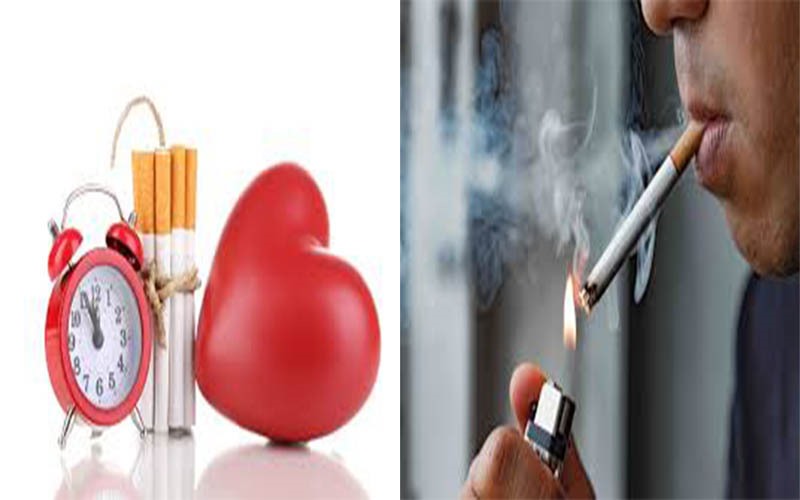
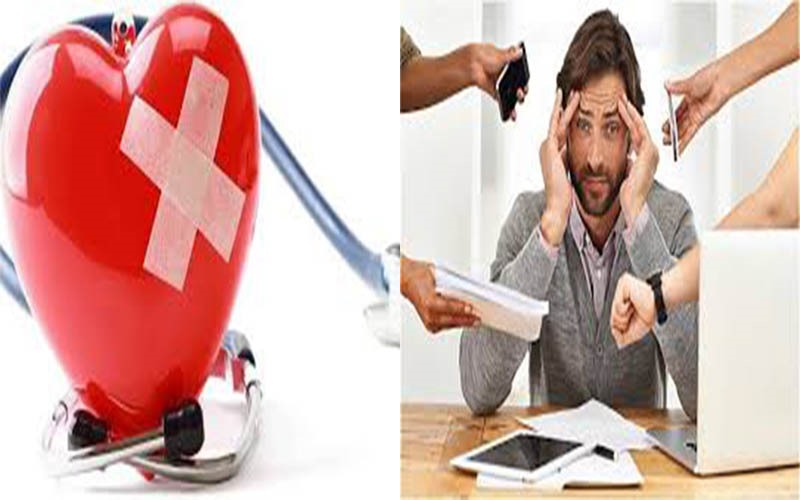
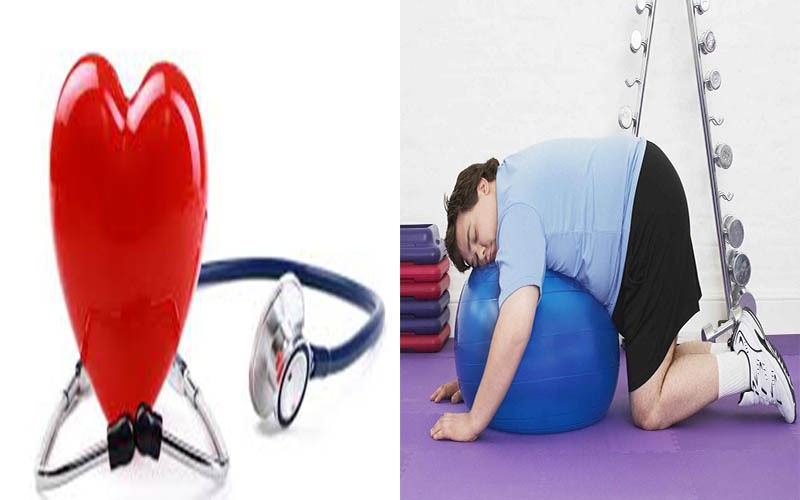
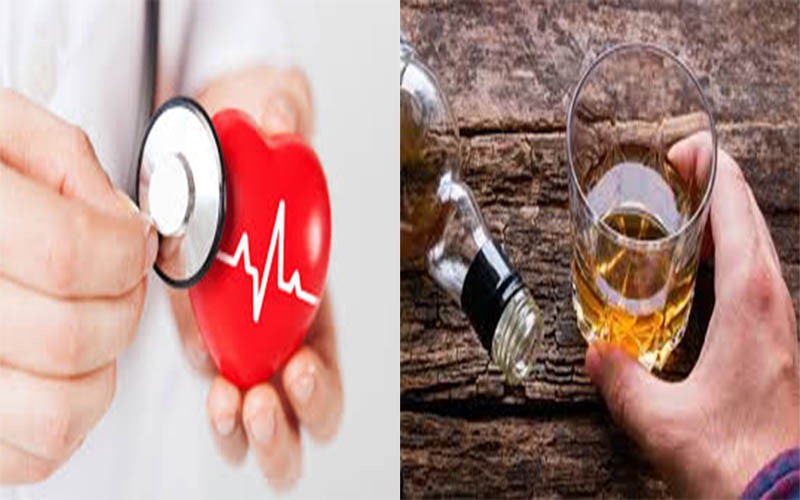
Tim là bộ phận phải hoạt động liên tục ngay cả khi chúng ta ngủ. Để tim mạch luôn khỏe bạn cần duy trì một lối sống lành mạnh và bỏ các thói quen xấu. Boldsky đã chỉ ra 8 thói quen xấu gây hại cho sức khỏe tim mạch nhiều người mắc phải.
AN AN (THEO BRIGHTSIDE) |
Nếu tóc của bạn trong tình trạng khô xơ hoặc thường xuyên sử dụng hoá chất để nhuộm, tẩy tóc thì chế độ chăm sóc lại càng phải cẩn trọng để tránh gây hư tổn thêm. Việc chăm sóc không chỉ đơn giản ở việc sử dụng dầu gội phù hợp và tránh sử dụng nhiệt quá cao mà còn từ chính những thói quen khi đi ngủ. Tờ Bright Side khuyến cáo một số sai lầm tưởng chừng như vô hại mà bạn có thể đang mắc phải để giữ cho mái tóc tránh hư tổn.
Hải Anh |
Chị em luôn dành thời gian nhất định trong ngày để chăm sóc da. Nhưng để có làn da đẹp và khoẻ không chỉ cần bỏ công sức, thời gian để chăm sóc mà còn cần biết bỏ những thói quen xấu hằng ngày làm xấu làn da.
Việt Anh (Theo Brightside) |
Giảm cân hiệu quả là mong muốn của nhiều người. Không chỉ khi vận động, những thói quen khi ngủ dưới đây cũng cải thiện rõ rệt vấn đề cân nặng, theo Brightside.
NGUYỄN TRƯỜNG |
Sau nhiều ngày tìm kiếm, lực lượng chức năng đã tìm thấy 3 cháu bé bị mất tích tại xã Kim Tân, huyện Kim Sơn (Ninh Bình).
NGUYỄN TRƯỜNG |
Hiện nay, việc quản lý thu chi tiền công đức, dầu nhang tại đền Dâu và đền Quán Cháo (Ninh Bình) còn thiếu minh bạch.
Việt Dũng |
Ông Đỗ Anh Dũng - Chủ tịch Tập đoàn Tân Hoàng Minh được ghi nhận có các tình tiết mới nên được giảm án, bị hại duy nhất kháng cáo bị bác đơn.
Tâm Tú |
TPHCM - Lái xe của Trương Mỹ Lan khai, nhiều lần đến Ngân hàng SCB vận chuyển những thùng tiền đã được đóng sẵn đưa về Vạn Thịnh Phát hoặc nhà riêng của Lan.
ANH HUY |
Trong dự Luật Bảo hiểm y tế sửa đổi có đưa ra việc bỏ thủ tục chuyển tuyến với một số trường hợp bệnh hiếm, bệnh hiểm nghèo... để giảm chi tiền túi cho dân.
AN AN (THEO BRIGHTSIDE) |
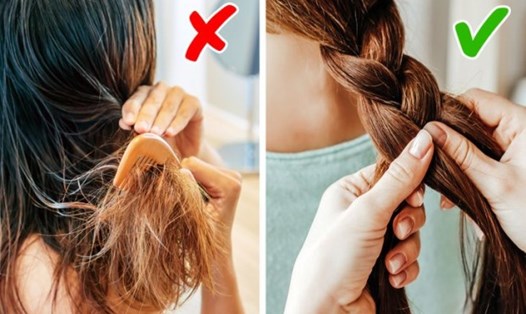
Nếu tóc của bạn trong tình trạng khô xơ hoặc thường xuyên sử dụng hoá chất để nhuộm, tẩy tóc thì chế độ chăm sóc lại càng phải cẩn trọng để tránh gây hư tổn thêm. Việc chăm sóc không chỉ đơn giản ở việc sử dụng dầu gội phù hợp và tránh sử dụng nhiệt quá cao mà còn từ chính những thói quen khi đi ngủ. Tờ Bright Side khuyến cáo một số sai lầm tưởng chừng như vô hại mà bạn có thể đang mắc phải để giữ cho mái tóc tránh hư tổn.

Hải Anh |
Chị em luôn dành thời gian nhất định trong ngày để chăm sóc da. Nhưng để có làn da đẹp và khoẻ không chỉ cần bỏ công sức, thời gian để chăm sóc mà còn cần biết bỏ những thói quen xấu hằng ngày làm xấu làn da.

Việt Anh (Theo Brightside) |
Giảm cân hiệu quả là mong muốn của nhiều người. Không chỉ khi vận động, những thói quen khi ngủ dưới đây cũng cải thiện rõ rệt vấn đề cân nặng, theo Brightside.
Tòa soạn: (+84 24) 38252441 - 35330305
Báo điện tử: (+84 24) 38303032 - 38303034
Đường dây nóng: 096 8383388
Bạn đọc: (+84 24) 35335235
Email: toasoan@laodong.com.vn
Báo in: (+84 24) 39232694 - Báo điện tử: (+84 24) 35335237
Địa chỉ: Số 06, Phạm Văn Bạch, phường Yên Hòa, quận Cầu Giấy, TP. Hà Nội
Giấy phép số: 2013/GP-BTTT
Do Bộ TTTT cấp ngày 30.10.2012
Xuất bản số Báo Lao Động đầu tiên vào ngày 14.8.1929