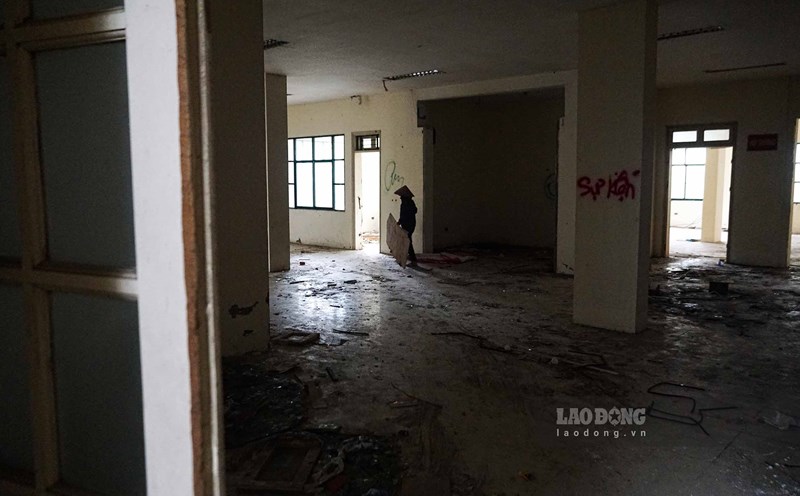
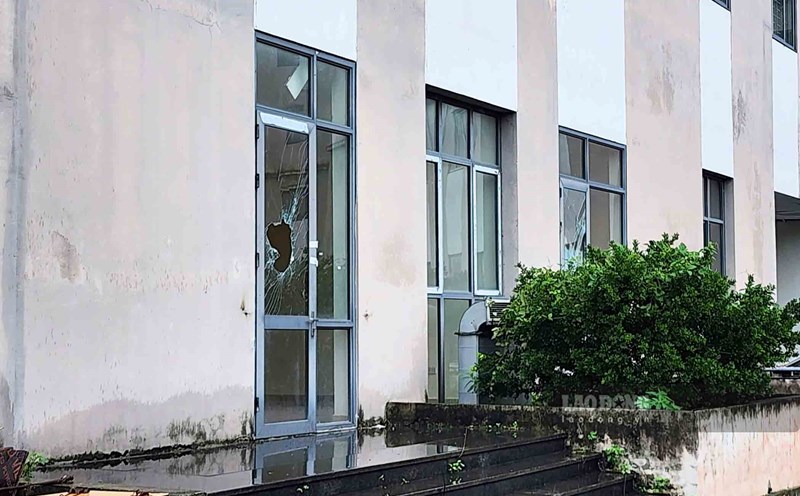
According to statistics by the end of 2025, Hanoi still has about 4,000 resettlement apartments in 170 projects that have not been used. Many projects are unfinished or completed but left empty for many years, degraded over time.
A typical example is the N01 resettlement project in Cau Giay. Located on a "golden land" area, started in 2011, but has not yet been put into use. 15 years have passed, instead of becoming a residence for hundreds of households, this project has become a "abandon house" in the modern city.
Part of the reason lies in the legal mechanism that is not really open. Resettlement houses are invested with the budget, with the goal of serving relocation and site clearance. When needs change, the conversion of land use purposes is entangled in regulations, authority and complex procedures.
That "bottleneck" will be removed when the draft revised Capital Law is passed. In Article 12 of the draft Law, the City People's Committee is empowered to "Decide on the organization and conversion between types of commercial housing, social housing, and housing serving resettlement in the City for flexible use, meeting the actual needs of the People".
This is considered a breakthrough in institutions. However, conversion is not just a story of "name changing" housing types. More importantly, it is necessary to ensure the quality and suitability of apartments. For example, the N01 resettlement project in Cau Giay being converted into social housing or commercial housing is not an easy problem. If calculated carelessly and managed tightly, this is likely to become fertile ground for profiteering.
Converting resettlement housing to social housing or commercial housing is not only an economic problem, but also a measure of management capacity and responsibility to public resources. Each abandoned apartment is a wasted part of the budget, a missed opportunity for settlement.
We cannot let buildings continue to degrade over the years, while people's housing needs are increasingly urgent. Decisive, rapid and substantive action is needed, and the accompanying conditions are transparency and greater responsibility.