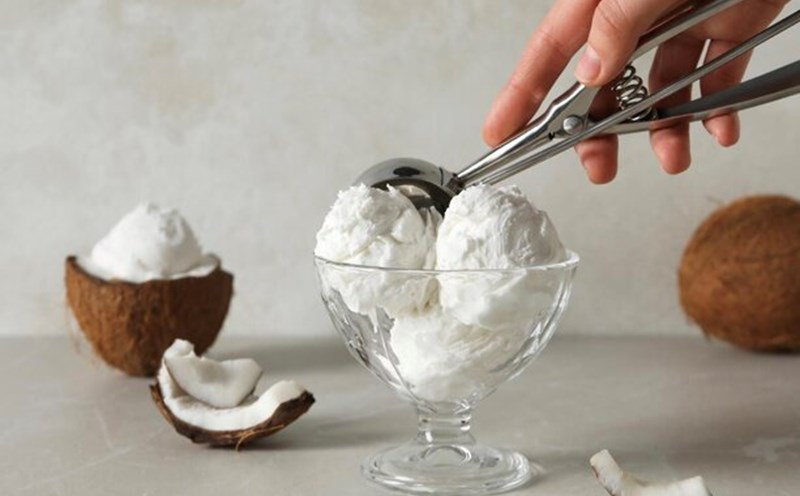
When the weather turns cold, many people tend to avoid eating ice cream because they are worried about catching a cold, sore throat or affecting the respiratory tract. However, according to nutrition experts, these worries largely stem from folk beliefs. In fact, eating ice cream in the cold season is not harmful if you know how to choose and use it reasonably.
Does eating ice cream cause a cold?
According to nutritionist Pooja, who is working at Fortis Hospital (Bengaluru, India), colds and flu are diseases caused by viruses, not by cold weather or cold food.
She said that eating ice cream does not cause the body to be infected with the virus. However, for some people with sensitive constitutions or who are having nasal congestion, sore throat, cold foods can temporarily constrict blood vessels in the throat area, causing discomfort. This does not mean that ice cream is the cause of the disease.
Does cream cause sore throat or increase phlegm?
Many people believe that eating ice cream will increase phlegm and cause sore throats. In fact, ice cream does not create new mucus in the body, but it can make the existing mucus thicker, making the throat feel stuck or heavy.
Experts say that if you have a cold, sore throat or respiratory infection, eating cold food can make the symptoms more uncomfortable. However, this is only a temporary reaction and not the cause of infection.
The unexpected benefits of ice cream in winter
Eating ice cream in cold weather can bring certain benefits if consumed appropriately:
Supports digestion: In winter, metabolism is more effective because the body needs more energy to keep warm. Therefore, a moderate amount of ice cream is usually easier to digest than in summer.
Improve mood: Creams contain sugar and fat that help stimulate the hormone dopamine, a factor that creates a feeling of joy and comfort. On gloomy days, creams can help feel more comfortable.
Energy supplementation: Cold weather increases calorie demand. Eating ice cream regularly can help supplement energy without adverse effects on health.
Who should limit eating ice cream when it's cold?
Some subjects should be cautious or limit eating ice cream in winter, including:
People who have sore throats, tonsillitis or flu
People with chronic sinusitis
People with asthma or respiratory allergies
Lactose intolerant or sensitive to dairy products
In these cases, cold food can prolong the uncomfortable symptoms.
How to eat ice cream safely in winter
To enjoy ice cream while still ensuring health, experts recommend:
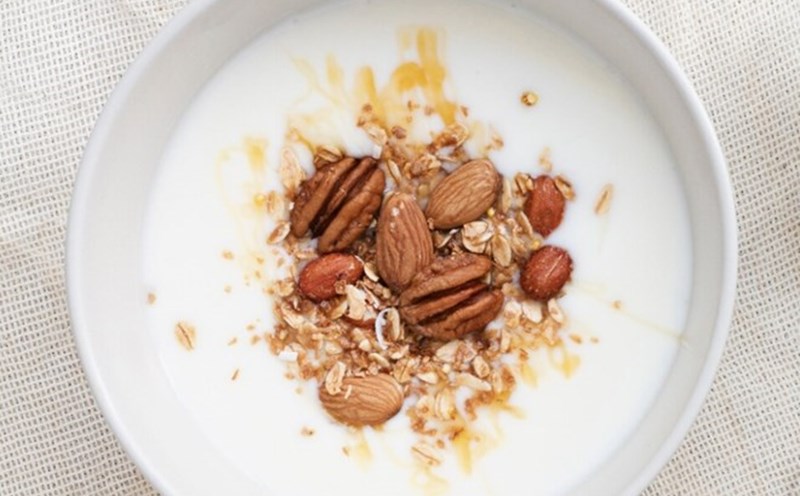
Prioritize low-sugar ice creams, sorbets or frozen yogurt
Do not eat ice cream immediately after just being out in the cold.
Ice cream can be combined with warm dishes such as toast or warmed fruits.
Control portion sizes, avoid eating too much
The information in the article is for reference only, not for medical diagnosis or treatment. You should talk directly with your doctor for accurate and appropriate advice to your health condition.