
Mỹ: Cấm mùi hương, kiểm soát độ tuổi được mua thuốc lá
Dữ liệu cho thấy tỉ lệ sử dụng các loại sản phẩm thuốc lá ở thanh thiếu niên tại Hoa Kỳ sụt giảm đáng kể vào năm 2021, đặc biệt là thuốc lá điện tử có chứa nicotin. Khảo sát từ Viện Quốc gia về Lạm dụng Ma túy (NIDA) và Đại học Michigan chỉ ra rằng, tỷ lệ sử dụng thuốc lá điện tử có chứa nicotin ở học sinh lớp 12 giảm xuống dưới 20%.
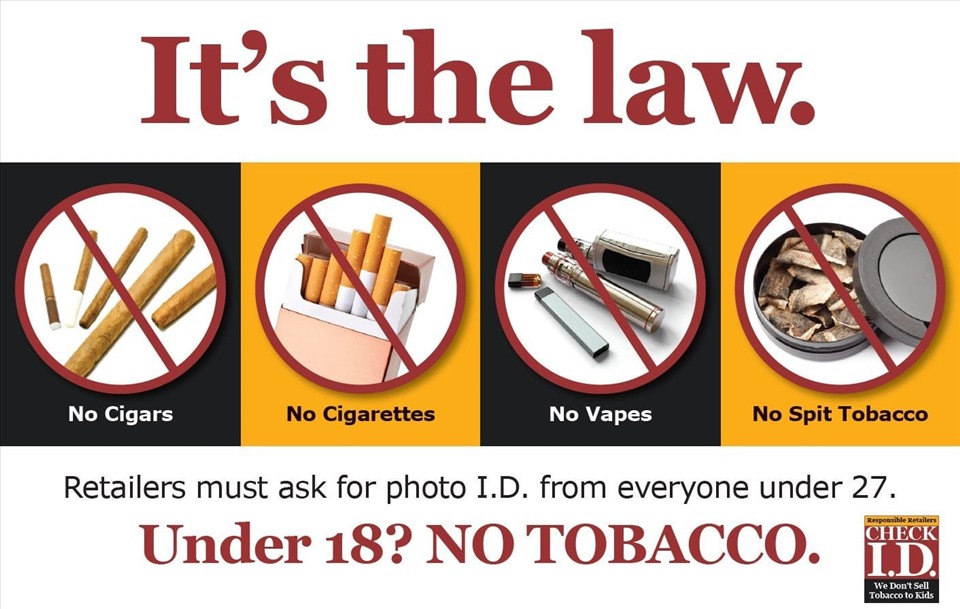
Để có được kết quả này, vào cuối năm 2019, chính phủ Liên bang đã ban hành yêu cầu về độ tuổi tối thiểu để mua thuốc lá, thuốc lá điện tử và cấm các loại có mùi hương (cụ thể: hương trái cây và bạc hà) trong các ống chứa dung dịch đi kèm. Cộng đồng y tế thế giới nhận định, kết quả này một phần đến từ chính sách quản lý thực tiễn, toàn diện mà ngay từ đầu Cục quản lý Dược phẩm và Thực Phẩm Hoa Kỳ (FDA) đã định hướng.
Khảo sát Toàn quốc về việc sử dụng Thuốc lá ở thanh thiếu niên tại quốc gia này cũng cho thấy tỷ lệ người đã và đang hút thuốc lá điếu chuyển sang thuốc lá thế hệ mới hiện đang chiếm tỉ trọng cao, trong đó bao gồm cả nhóm đối tượng thanh thiếu niên đã có lịch sử hút thuốc lá điếu trước đó.
Có thể thấy, kết quả của khảo sát nói trên nhất quán với dữ liệu của Cục quản lý Thực phẩm và Dược phẩm Hoa Kỳ (FDA) cho thấy thanh thiếu niên, người không hút thuốc và người đã từng hút thuốc có rất ít khả năng bắt đầu hoặc tái sử dụng thuốc lá điếu sau khi sử dụng thuốc lá điện tử.
Tại Nhật Bản, báo cáo 2017 của Ban Nghiên cứu thuộc Bộ Y tế, Lao động và Phúc lợi (Ministry Health Labour and Welfare – MHLW) cũng được đánh giá là nguồn tham khảo độc lập giá trị đối với vấn đề liệu thuốc lá làm nóng có đang thế chỗ cho thuốc lá điếu đốt cháy và thu hút giới trẻ không. Báo cáo chỉ ra rằng các loại sản phẩm thuốc lá làm nóng được kinh doanh hợp pháp ở nước này đang chứng tỏ hiệu quả trong việc làm giảm độ phổ biến của hành vi hút thuốc lá điếu. Đồng thời sản phẩm này cũng được xác nhận không gây ra "Hiệu ứng dẫn dắt đến hành vi hút thuốc lá" đối với giới trẻ tại Nhật Bản.
Biện pháp kiểm soát thuốc lá thế hệ mới hiệu quả là phải được kiểm soát sớm nhất
Có thể thấy, điểm chung ở các quốc gia nói trên là việc chấp nhận sự hiện diện của các sản phẩm thuốc lá thế hệ mới theo quy luật cung cầu của thị trường cũng như dựa vào khoa học để đánh giá sản phẩm; đưa vào quản lý dưới luật thay vì buông lỏng hoặc cố tình phớt lờ; từ đó xây dựng chính sách kiểm soát để chỉ những sản phẩm hợp pháp được tiếp cận với người hút thuốc có nhu cầu chuyển đổi và ngăn chặn những hành vi xé rào cố tình tiếp cận đến giới trẻ. Đơn cử như tại Mỹ, đến nay tổ chức FDA chỉ cho phép một số sản phẩm thuốc lá thế hệ mới được phép thương mại bao gồm một sản phẩm thuốc lá làm nóng (heated tobacco product); thuốc lá điện tử hệ thống đóng (closed END system) và tinh dầu hương thuốc lá đi kèm; và bốn sản phẩm thuốc lá thế hệ mới sử dụng qua đường uống (oral tobacco).
Chiến lược của FDA là đưa thuốc lá thế hệ mới vào quản lý dựa trên nền tảng khoa học tốt nhất với mục tiêu giảm thiểu bệnh tật và tử vong do sử dụng thuốc lá gây ra, bao gồm những quy định nghiêm ngặt nhằm đảm bảo tất cả các sản phẩm thuốc lá thế hệ mới phải chứng minh rằng việc kinh doanh sản phẩm "thích hợp với mục tiêu bảo vệ sức khỏe cộng đồng".
Ngoài ra, tổ chức y tế uy tín này cũng chú trọng việc cung cấp thông tin khoa học cho giới trẻ về những rủi ro của thuốc lá thế hệ mới nhằm góp phần giải quyết hệ lụy của nạn quảng cáo sai lệch bấy lâu nay của giới buôn lậu cố tình "hô biến" thuốc lá điện tử và các sản phẩm không khói khác như một sản phẩm sành điệu.
Mặc dù các nghiên cứu độc lập cho thấy kết quả khá khả quan, nhưng các chuyên gia nhấn mạnh rằng không được phép chủ quan với vấn đề này. Thực tế cho thấy ở các quốc gia mà thuốc lá không khói được phép lưu hành, thậm chí áp dụng luật bớt khắt khe hơn so với thuốc lá điếu (như, Nhật Bản, Mỹ, Canada, Newzealand…) thì chính phủ các nước vẫn luôn đề cao việc ngăn chặn giới trẻ tiếp cận tất cả các sản phẩm thuốc lá.
Tại Việt Nam, theo Quỹ phòng chống tác hại thuốc lá, tỷ lệ hút thuốc lá điện tử lậu trong thanh thiếu niên tăng từ 1,1% năm 2015 lên 2,6% năm 2019. Tại tọa đàm về “Quản lý thuốc lá thế hệ mới – Cần góc nhìn mới” vừa được tổ chức tại Hà Nội ngày 7.1.2021, ông Lưu Bình Nhưỡng – Phó Trưởng ban Dân nguyện - Ủy Ban thường vụ Quốc hội cho rằng ở Việt Nam, một chính sách quản lý phù hợp các sản phẩm thuốc lá thế hệ mới vẫn còn đang bị bỏ ngỏ quá lâu. Bà Nguyễn Quỳnh Liên, Phó Vụ trưởng Vụ Pháp luật Hình sự - Hành chính (Bộ Tư pháp) cho biết hiện các quốc gia đi trước Mỹ, Anh, Nhật, NewZealand... không cấm sản phẩm thuốc lá thế hệ mới. Vì cấm sẽ dẫn đến tình trạng buôn lậu khó kiểm soát.
Thay vào đó, chính phủ các nước này chỉ cấm một số hương liệu tinh dầu, mùi vị gây thu hút giới trẻ. Đồng thời, chính phủ cũng yêu cầu nhà sản xuất phải khai báo minh bạch mọi hoạt động buôn bán, tiếp thị.
Có thể thấy, việc kiểm soát các sản phẩm thuốc lá thế hệ mới là điều cần làm sớm, hoàn toàn khả thi và nhà nước có đủ công cụ để làm điều đó. Việc mạnh dạn áp dụng Luật Phòng, chống tác hại thuốc lá hiện hành không chỉ không chỉ giúp kiểm soát, góp phần phòng chống và giảm tác hại thuốc lá, tránh thất thu cho Nhà nước mà quan trọng hơn là bảo vệ sức khỏe cho người dân, nhất là thanh thiếu niên.


