
Natural risks of young accidents in daily life
According to guiding documents on child protection, accidents and injuries are one of the leading causes of damage to the health and lives of children. Notably, most accidents occur at home or in the area around where the child lives.
According to the Ministry of Health, accidents and injuries in children often stem from daily activities such as burns caused by hot water, electrical short circuit, falls from a height, chemical poisoning or drowning. Effective prevention requires close supervision of adults and measures to protect dangerous places in the family.
Many risks that children are likely to encounter at home, in daily life and play have been listed, including: Boiling water burns, fire flare (ctor gusts): Children may suffer burns from hot water, kitchen, electricity, lights, gasoline... or electric gusts due to touching plugs, electrical wires.
swallowing foreign objects/breathways: Children are very likely to choke and choke when playing with small objects or eating incorrectly.
Water sources: Unsolved situations near ponds, lakes, rivers, streams, canals, ditches, tanks... can cause drowning.
Fall: Playing at high ground, stairs, and balconies that are not properly covered can lead to falls
Poisoning: Exposure to drugs, chemicals, detergents, spoiled food... are all real risks.
Bice: Bice from dogs, cats, snake, insects... is also a situation that children can encounter.
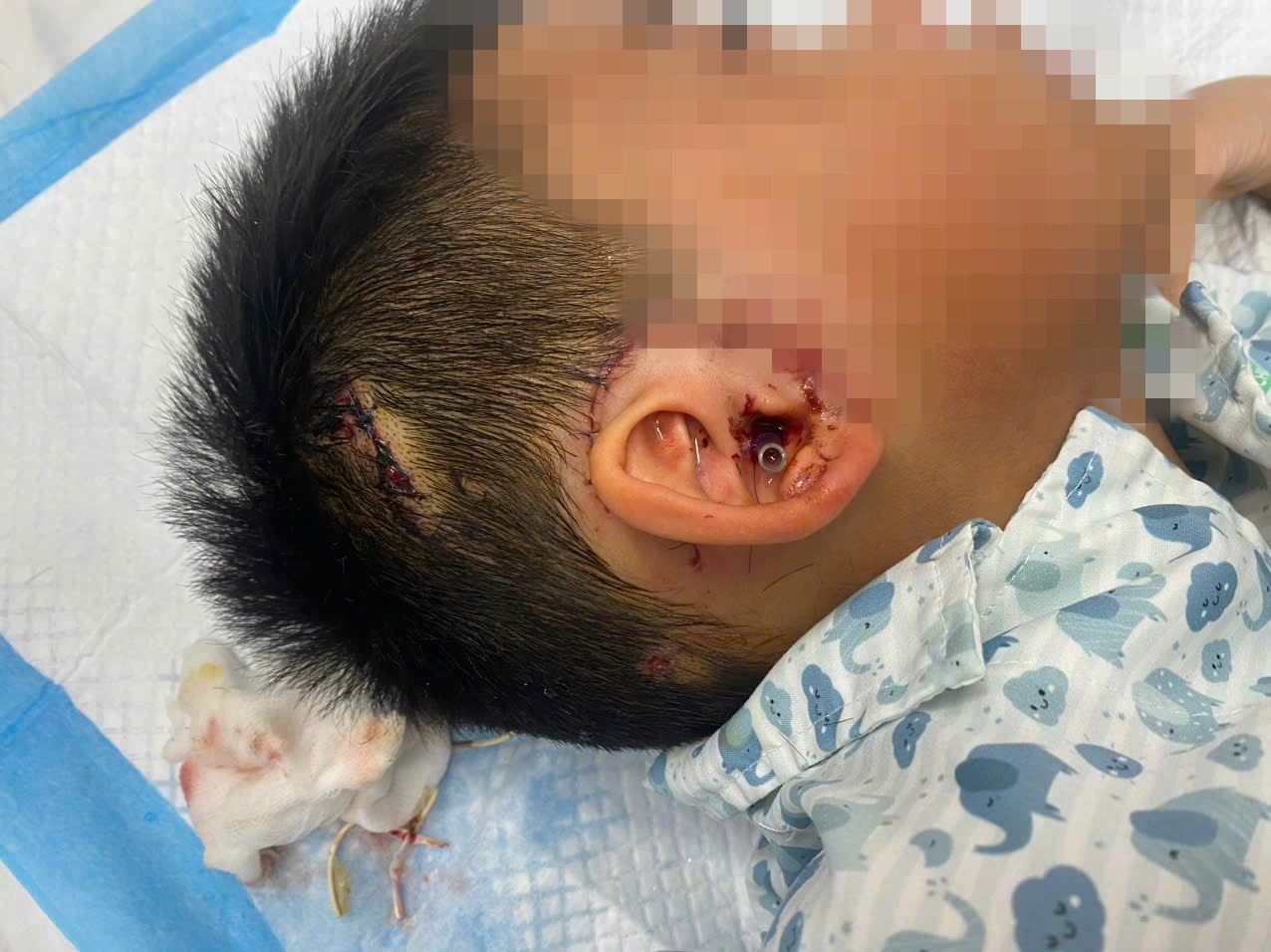
For children under 3 years old, the risk of burns, choking, and airway obstruction often comes from food, hot water, small objects, or unsafe sleeping positions. Children are active but do not realize the danger, while their self-defense ability is still very limited.
In older groups, the risk of falling on stairs, traffic accidents, drowning while playing near lakes, rivers and streams or areas without fences increases significantly. Toxins from drinking chemicals, medicine, and unsafe foods are also a potential risk if adults are subjective.
Experts from the Department of Maternity and Children emphasized that injury accidents are not a "ratational risk" that can be largely prevented if adults correctly identify the risk, proactively create a safe environment for children and closely manage and monitor children.
Preventing accidents, starting with small changes
Preventing accidents and injuries for children needs to be done immediately in daily life. The family is considered the first "shield" to protect children from risks.
- Avoid the risk of burns and choking: Parents should keep hot, sharp objects, chemicals away from children; do not feed children foods that are easily choking; do not let children play small toys that are easy to swallow and play alone while eating or drinking. Children need to sleep in the right position, not leaving objects to cover their nose and mouth.
- To prevent falls and traffic accidents, families need to install railings, stairs, cover the balcony, teach children to wear helmets when participating in traffic and always have adults supervise when children go out.
- Waterlogging is a particularly serious risk. Recommendations on child protection emphasize not to let children play near ponds, lakes, rivers and streams without adults; cover wells and water tanks; teach children water safety skills suitable for their age.
- Poisoning can be prevented by keeping drugs, chemicals, and detergents out of reach of children; not containing chemicals in bottles containing drinking water; instruct children not to eat or drink strange things on their own.
No panics, no wrong handling when an accident occurs
When an accident occurs, the calmness of an adult is decisive. Guidance documents for parents recommend not to follow experience in word of mouth or apply unscientific measures.
In case of burns, it is necessary to quickly cool the burned area with cool clean water, without applying ice cream, oil or substances of unknown origin.
For choking or suffocation, first aid measures appropriate to the child's age should be taken and taken to a medical facility if the condition does not improve.
When children fall sharply, hit their head, drown or suspect poisoning, parents need to take the child to the emergency room immediately, and provide full information to medical staff to support timely handling.


