
From the case of transporting patients with a cost of 9.5 million VND
The incident of a family having to pay 9.5 million VND for transportation and vasopressors to bring a seriously ill patient from Thanh Hoa Provincial General Hospital home, with a distance of about 16km, has caused the family to be upset and received public attention.
After receiving feedback, Thanh Hoa Department of Health established an inspection team to check medical records, discharge records and work with relevant parties.
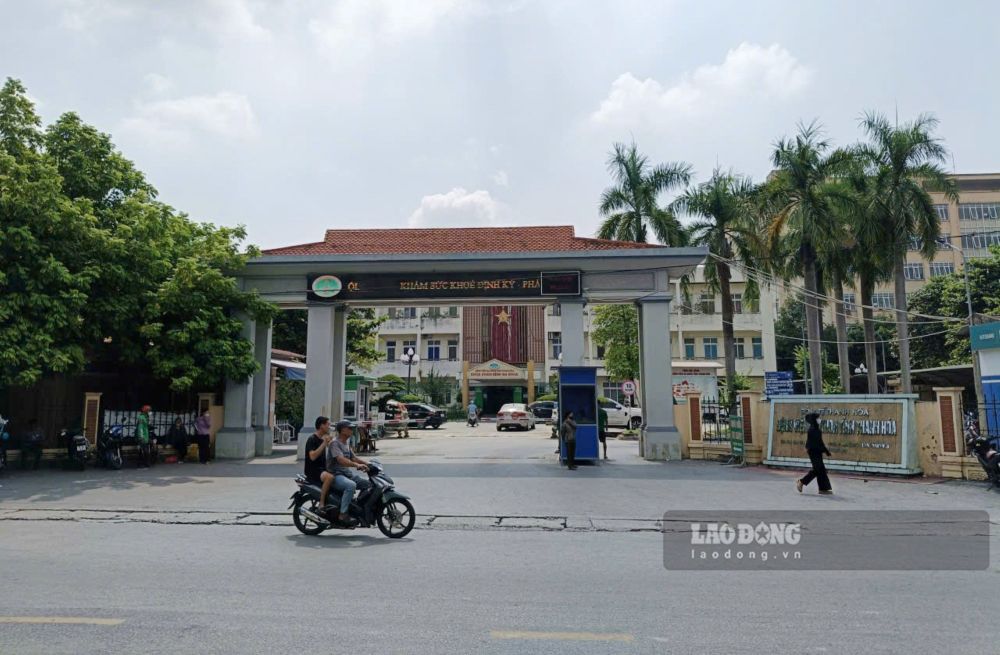
The verification results at Thanh Hoa Provincial General Hospital showed that there was no basis to determine that hospital staff introduced, brokered or benefited from external transportation units; and there was also no basis to determine that the hospital provided or collected money for drugs and transportation services that the family reflected.
However, some important contents have not yet been concluded because functional agencies have not directly verified the organizations and individuals providing transportation services. These include operating conditions, people directly caring for patients in the car, the supply and use of drugs, drug prices, transportation costs as well as related amounts.
Thanh Hoa Department of Health said it is continuing to coordinate with the police agency and related units to provide dossiers and documents for verification; and will handle or propose strict handling if violating organizations and individuals are detected.
From the patient's family's reflection, due to signs of being related to impersonating medical staff, deceiving patients for profit and operating emergency transport services not in accordance with regulations, the Department of Health has requested the Provincial People's Committee to direct the Provincial Police to take the lead in verifying.
The contents requested to be clarified include: legal conditions of organizations, individuals and vehicles directly transporting patients; whether the person performing transportation and caring for patients on the vehicle is qualified to practice; whether professional activities during transportation are in accordance with regulations.
Along with that, functional agencies are requested to verify whether there is brokerage, agreement or profit sharing between organizations and individuals providing transportation services and hospital staff.
Need to clearly stipulate the service of bringing seriously ill patients home
Through the incident, the Thanh Hoa Department of Health realized that the need to transport seriously ill patients with prognosis of death from medical examination and treatment facilities to their families according to their wishes is actually present.
However, current regulations mainly focus on out-of-hospital emergency activities and transferring patients between medical examination and treatment facilities. Regarding the transportation of seriously ill patients requesting to return home, especially in cases where medical staff, medicine or support equipment are needed during the movement, there are still contents that need to be specifically guided.
From this reality, Thanh Hoa Department of Health has requested the General Medical Examination and Treatment Management Department to advise the Ministry of Health to study and clearly guide the distinction between cases where patients only need to be transported home and cases where medical expertise is needed during transportation.
At the same time, it is necessary to clarify the responsibilities of medical examination and treatment facilities when patients in serious condition, with very severe prognosis, wish to return home; conditions for organizations, individuals, and vehicles providing transportation and patient care services.
The provision and use of medicines, medical supplies and the implementation of professional services on vehicles also need to be clearly regulated. In particular, there needs to be a management mechanism, publicizing and controlling service prices so that patients and relatives know the cost in advance, have a basis for choice, and avoid the occurrence of unreasonable fee collection.
Talking to a reporter from Lao Dong Newspaper, Mr. Hoang Huu Truong - Director of Thanh Hoa Provincial General Hospital said that about 10,000 people enter and exit the hospital every day. The average number of inpatients is about 1,700-1,800 people; outpatients are about 1,400-1,500 people, not including family members accompanying them.
According to hospital leaders, for service vehicles and ambulances outside, the hospital cannot prohibit vehicles from picking up patients when this is the needs of the people and the transportation is agreed upon by the parties themselves.
Even at the emergency department, in cases where seriously ill patients ask to go home, service vehicles have approached their families to transport them. They also paste phone numbers at departments and hospitals, and when they peel them off, they continue to paste them" - Mr. Truong said.
Representatives of the hospital also affirmed that the unit always thoroughly instructs officials, doctors, and staff not to introduce or broker patients' families to car companies.
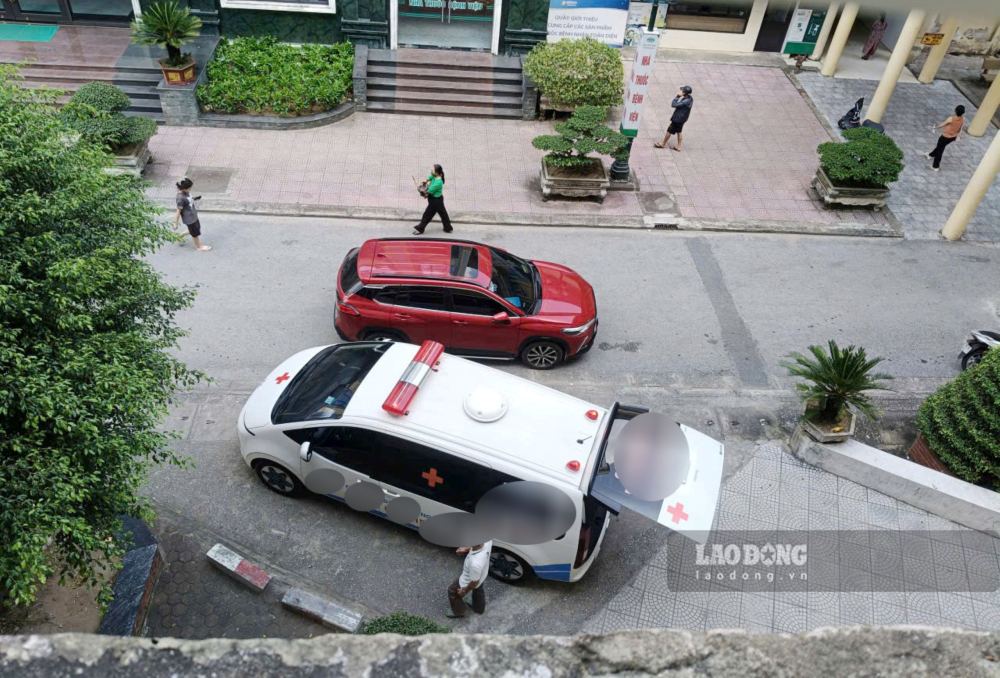
According to actual records of Lao Dong Newspaper reporters, at Thanh Hoa Provincial General Hospital, every day there are many ambulances and white license plate ambulances coming in and out to pick up and drop off patients. This is considered a real need of the people.
However, the issue is to clearly define who is allowed to provide services, vehicles and what conditions must transport participants meet; how drugs, supplies and medical equipment are used; service prices are calculated, disclosed and controlled according to which mechanism.
When these issues are clearly regulated and managed transparently, the rights of patients and their families will have a basis to be guaranteed, while limiting the risk of brokerage, provision of unqualified services or unreasonable fee collection.


