Headache and dizziness lasting for many months but not too severe, so the 50-year-old woman in Hanoi still tried to endure and live normally. Only when the headaches appeared with a higher frequency and lasted longer, did she decide to go to Thanh Nhan Hospital for examination.
The results of the brain magnetic resonance angiography (MRA) showed that the patient had a right internal carotid artery aneurysm with a size of over 5 mm, a wide neck and was assessed as having a high risk of rupture. This is a dangerous condition because if the aneurysm ruptures, it can cause cerebral hemorrhage, threatening life or leaving severe neurological sequelae.
After a professional consultation, doctors of the Vascular Intervention Unit, Department of Diagnostic Imaging, Thanh Nhan Hospital, prescribed treatment using flow diversion stent technique (Flow Diverter). This is a modern intravascular intervention method, helping to change the direction of blood flow through the amniotic sac, creating conditions for the amniotic sac to gradually be removed from the circulatory ring, thereby reducing the risk of rupture but still preserving blood flow to nourish the brain.
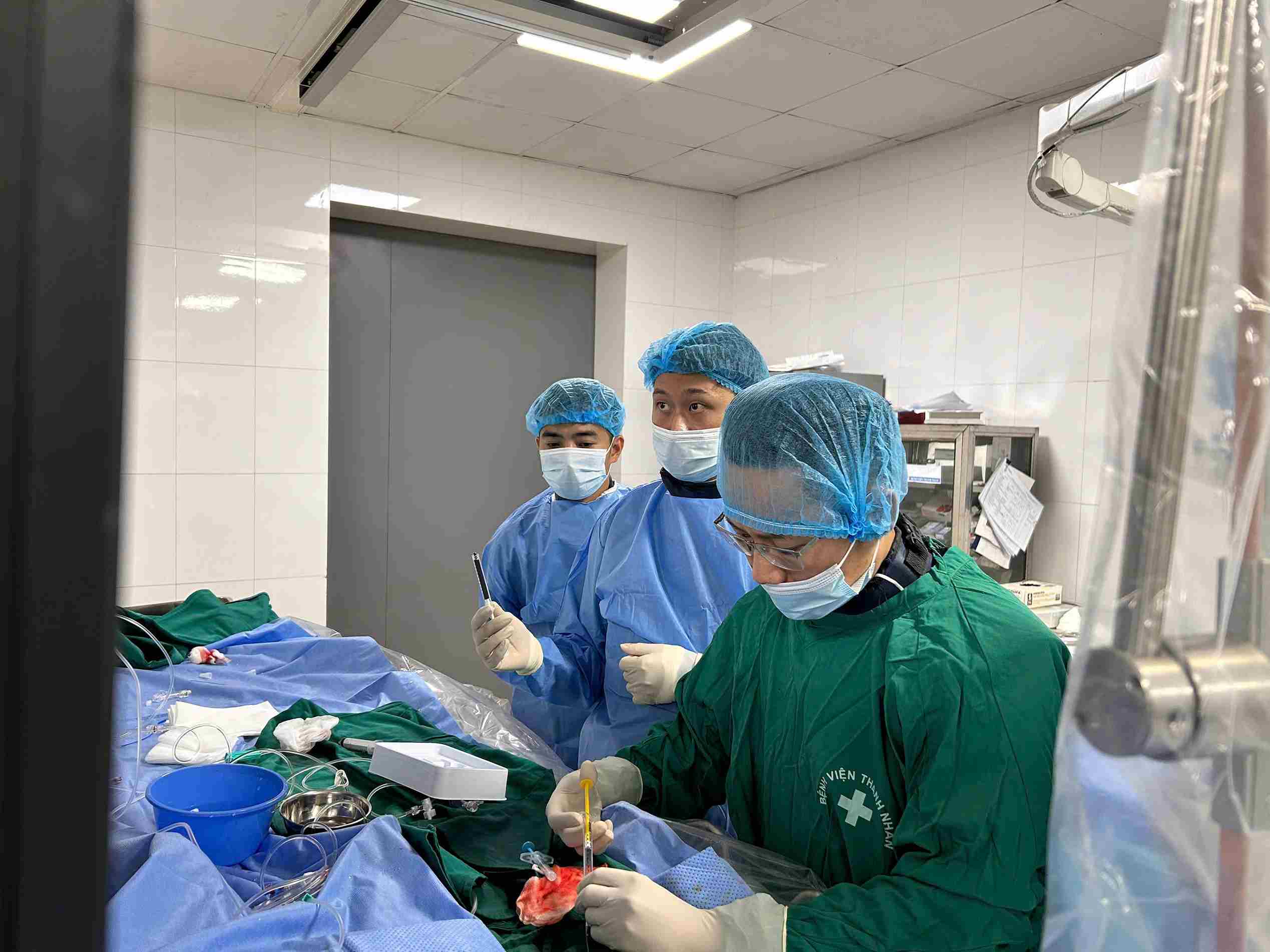
MSc.BS Nguyen Duy Thinh, Head of Vascular Intervention Unit, Deputy Head of Diagnostic Imaging Department, Thanh Nhan Hospital, who directly performed the intervention, said that the most worrying thing in cerebral aneurysm is that patients may not know they have the disease.
In many cases, symptoms such as headache or temporary dizziness only appear, so they are easily overlooked or confused with common diseases. When the amniotic sac ruptures, treatment will be much more complicated, and the risk of death and neurological sequelae also increase significantly," Dr. Thinh shared.
The doctor added that the stent redirection technique is currently considered one of the important steps forward in the treatment of cases of non-fractured cerebral aneurysms, especially with aneurysms with a wide neck or complex positions.
Magnetic resonance imaging (MRA) is a non-invasive method, does not use X-rays and has high value in early detection of cerebral aneurysms when prescribed by a doctor. People with risk factors such as high blood pressure, smoking, dyslipidemia, family history of cerebral ischemic disease or frequent prolonged headaches of unknown cause should proactively go for examination for advice and screening when necessary. Early detection helps to treat promptly, limit the risk of ruptured aneurysm and protect the patient's life.