Wearing contact lenses on long-day trips can still be safe if users strictly adhere to eye care and hygiene principles. According to Dr. Pooja Pillai, an internist at Aster CMI Hospital, Bangalore (India), long-distance travel is not an obstacle for contact lenses wearers, but changes in the environment and living habits can increase the risk of eye irritation or infection.
Air in the aircraft compartment, passenger cars or long-distance cars is often dry due to constant air conditioning and low humidity. This can easily cause dry, dull, red and uncomfortable eyes. Fatigue and lack of sleep when moving also make eyes more sensitive, thereby increasing the risk of problems if not cared for properly.
A noteworthy risk is falling asleep while still wearing contact lenses. When sleeping, the amount of oxygen supplied to the cornea decreases. If you continue to wear lenses, the cornea will become even more oxigenated, easily leading to dry eyes, blurred vision, red eyes and irritation. In a dry air environment, contact lenses can stick to the eye surface, causing minor scratches on the cornea. These lesions create conditions for bacteria to invade, increasing the risk of inflammation or ulceration of the cornea, a condition that may require emergency medical treatment.
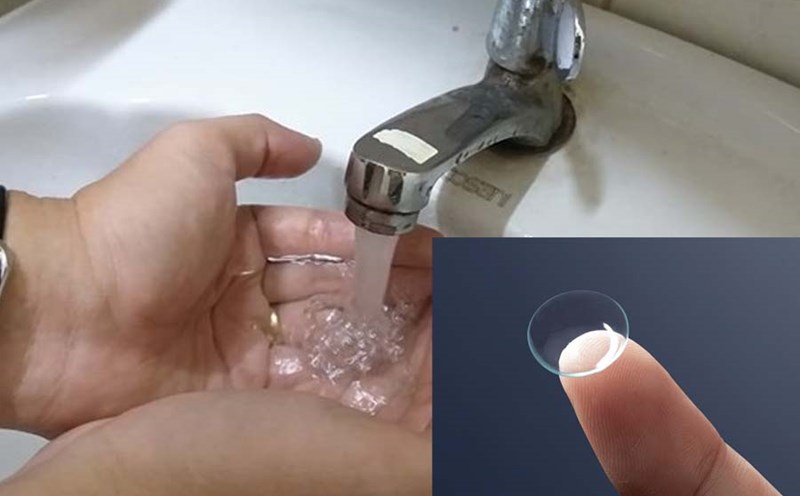
Poor hand hygiene is also a common cause of eye infections when traveling. Hands can carry bacteria from door handles, luggage, food trays or public toilets. When touching contact lenses or eyes without washing your hands thoroughly, bacteria, viruses or fungi can be transmitted directly to the lens surface. The humid environment between the lenses and eyes is a favorable condition for pathogens to develop, causing redness, pain, discharge and serious infections.
To reduce risks, contact lenses wearers need to wash or disinfect their hands before touching their eyes. Always carry specialized cleaning solutions and clean containers. Do not add or reuse old solutions. Using lubricating eye drops can help limit dry eyes caused by air conditioners.
On trips lasting more than eight hours, disposable contact lenses help reduce the risk of infection because they do not need to be retained after removal. Gloves are also a safer option, especially if users intend to sleep throughout the journey.
Symptoms such as sudden eye pain, severe redness, yellow or green discharge, blurred vision, light sensitivity or swollen eyelids are warning signs that should not be ignored. When encountering this condition, it is necessary to remove contact lenses immediately and stop using them until examined and specifically evaluated by a doctor.
Contact lenses bring convenience when moving, but proper eye hygiene and care are decisive factors to protect vision and avoid unwanted complications throughout the journey.